Best Marine Grade Seat Foam for Boats and Cushions
Finding durable, water-resistant foam for marine seating is essential for comfort and longevity. This guide highlights five top options that deliver dependable support, easy cutting, and stable performance in marine environments. The best picks target boaters, RV owners, and DIY enthusiasts seeking high-density, open-cell or closed-cell foam that resists moisture and holds shape over time. The table below summarizes each product’s key strengths for quick comparison.
| Product | Best For | Notes |
|---|---|---|
| FOAMYFOAM High Density 3″ 24″ x 72″ | Boat seats, glide cushions, bench seating | High density, versatile sizing |
| GoTo Foam 2″ x 24″ x 72″ | Made in USA, standard cushions | Certified foam, 43 ILD |
| GoTo Foam 1″ x 24″ x 72″ | DIY cushions, soundproofing | Open-cell, versatile cuts |
| Jecqbor Upholstery Foam 1″ x 24″ x 72″ | Custom cushions, camper and boat seats | Light supportive feel, easy to trim |
| AK Trading Co. 4″ x 24″ x 72″ | Commercial and heavy-use seating | Long-lasting, high density |
FoamyFoam High Density 3 Inch Foam For Seat Cushions

Best for longer-term marine seating projects that require firm support and lasting shape. This 3-inch foam offers a 1.8 density with a 44 ILD rating, providing appropriate resistance for frequent use aboard boats or outdoor seating. It’s compatible with couch, bench, and seat cushion replacements, making it versatile for various marine interiors. Because it’s cut-to-order, you can request 1″–8″ thickness and 12″–120″ lengths for exact fits. Best for boat benches and pilot seats that demand steadiness under frequent use.
Who it’s for: DIY boat owners and professional upholsterers needing a durable, stable foam that holds up in humid environments. Caution: Verify exact dimensions before ordering to ensure a precise fit for curved or irregular cushions.
GoTo Foam 2″ Height x 24″ Width x 72″ Length 43ILD

This option is a solid mid-range choice for marine cushions that need dependable firmness. With a 2-inch thickness, 43 ILD, and a density around 1.8, it delivers durable support without excessive hardness. It’s Made in the USA and Certipur certified, which can reassure buyers seeking standardized foam materials for boat seating, deck cushions, and replacement pads. Best for: standard cockpit bench cushions and daily-use boat seating where a balance of comfort and durability is essential. Caution: Slightly thicker cushions may require deeper seat frames to accommodate the additional depth.
GoTo Foam 1″ x 24″ x 72″ Firm Open-Cell Foam Sheet
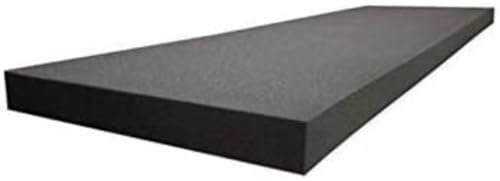
This 1-inch sheet is best for slim cushions, interior linings, or soundproofing panels aboard boats where minimal bulk is preferred. The foam is open-cell, offering a balance of firmness with easy shaping. It accepts knives or blades for clean cuts and can be used to add light support to older cushions or as a base layer. Best for: cosmetic cushion upgrades and spaces where a low-profile, clean look matters. Limitation: Not ideal for high-traffic seating that demands strong support over time.
Jecqbor Upholstery Foam Cushion 30ILD 1” x 24” x 72”

Designed for everyday seat repair and DIY projects, this 30 ILD foam delivers a lighter, supportive feel suitable for temporary cushions, camper seats, boat seats, or RV beds. It’s easy to cut to shape, making it a strong choice for non-uniform spaces where precise measurements are challenging. Best for: quick replacements, craft projects, and light-use seating. Caution: This foam may compress more quickly in high-use areas, so reserve for less-extensive wear zones.
GoTo Foam 1″ 24″ x 72″ 44ILD Firm Cushions Made in USA
Another firm option from GoTo Foam, this 1-inch sheet targets slim cushions and specialty applications like RV interior modifications or decorative cushions. It provides a consistent 44 ILD and a density around 1.79, suitable for light-duty marine use where space is at a premium. Best for: cushion liners, hatch seating, or as a budget-friendly upgrade for compact boat seats. Caution: Very thin foam may require additional padding or multiple layers for adequate comfort on larger, frequently used cushions.
AK Trading Upholstery High Density 4″ Foam 24×72

Designed for heavy-use seating and commercial environments, this 4-inch foam offers robust support with a density around 1.8 and a 44-pound compression rating. It’s suited for boat cockpit stools, lounge pads, and heavy-duty cushions that must resist wear over many seasons. Best for: high-traffic marine seating, sailboats, and commercial charters. Caution: Thicker cushions may require more substantial foam cores and deeper seat cavities to maintain comfort and proper fit.
FoamyFoam High Density 2 Inch Foam For Cushions
This 2-inch variant mirrors the 3-inch option’s durability with a slightly reduced thickness for spaces where bulk is a concern. With a 1.8 density and 44 ILD, it remains suitable for marine cushions, benches, and replacement pads. Best for: renovation projects with weight or space constraints. Caution: Ensure the seat cavity is designed to accommodate the extra 2 inches of depth without interfering with overall ergonomics.
XCEL Marine Foam Roll With Self Adhesive

XCEL’s marine foam roll is a versatile closed-cell option suitable for cushions, hull linings, gaskets, and interior padding. The self-adhesive feature eases installation in situations where backing is needed or where a quick seal is preferred. Best for: boat cabins, deck cushions, and hobbyist projects requiring buoyant, non-absorbent material. Caution: Closed-cell foam can be less forgiving for large, curved cushions unless cut precisely; plan for multiple pieces if needed.
Buying Guide: Key Considerations For Marine Foam
- Density and ILD: Higher density and ILD correlate with firmer support and longer life. Choose 1.8 density with 44 ILD for most all-purpose marine seating.
- Moisture Resistance: Closed-cell foams resist water absorption; open-cell foams are lighter and easier to cut but absorb moisture more readily. For boats, closed-cell or high-quality marine foams are typically preferable.
- Thickness and Fit: Marine cushions vary in thickness. Accurate measurements prevent gaps and cushion shifting. Some sellers offer cut-to-size services; use them when possible.
- Source and Certification: Look for Certipur or other certifications for consistent quality and safety. USA-made options can support local sourcing and shorter lead times.
- Durability and Use Case: Heavy-use seating on boats, decks, and campers benefits from thicker, denser foams. Lighter use areas can use thinner sheets without sacrificing comfort.
- Workability: Some foams cut easily with a utility knife; others require specialized tools. Consider how you will shape edges for non-rectangular cushions.
FAQ
- What foam is best for marine seating?
– Closed-cell, high-density foam with a 1.8 density and around 44 ILD is a common best-practice choice for durability and comfort aboard boats. - Can foam be cut to fit irregular boat cushions?
– Yes. Many foams listed offer cut-to-size options or are easily trimmed with a sharp knife for custom shapes. - Is Certipur certification important?
– It helps confirm foam composition and safety standards, which can impact long-term performance and off-gassing. - How thick should cushion foam be for boat benches?
– Thicker cushions (2–4 inches) are typically more comfortable for regular seating, but fit and weight considerations matter for each boat layout. - Should I choose open-cell or closed-cell foam for marine use?
– Closed-cell foam is generally more water-resistant and buoyant, making it better suited for marine environments. - Are these foams suitable for DIY cushions and boat interiors?
– Yes, most options are designed for DIY projects, with varying thicknesses and densities to suit different spaces and levels of use.