Best Marine Grade Boat Paint for Above-Waterline Surfaces
The top picks below are marine-grade paints ideal for above-waterline surfaces on fiberglass, wood, and metal. Each option is chosen for durability, ease of application, and long-wear performance. This guide helps boats, docks, and marine equipment owners decide which product best fits their hull, trim, or exterior needs. If you’re painting a fiberglass dinghy, a wooden bow, or a metal rail, you’ll find a solid choice here.
| Product | Best For | Surface | Notes |
|---|---|---|---|
| Rust-Oleum Marine Coatings Topside Paint | Fiberglass, Wood, or Metal Above Waterline | Above Waterline | Oil-based; fast-drying; easy leveling |
| SENVEN Boat Paint | High-Gloss Exterior Marine Coatings | Fiberglass, Wood, Aluminum | All-in-one; very durable and versatile |
| TotalBoat Wet Edge Topside | Power/Sail Hulls, Exterior Trim | Above Waterline | 1-part formula; high gloss; durable |
| TotalBoat Marine Topside Primer | Sealed Undercoat Before Topsides | Fiberglass, Wood, Gelcoat | One-part primer; prepares surface for topcoats |
| TotalBoat Underdog Antifouling Bottom Paint | Bottom Surfaces (for occasional use) | Hull Bottom | Antifouling; for saltwater conditions |
Rust-Oleum 396959 Marine Coatings Topside Paint

Best for versatile, above-waterline jobs on fiberglass, wood, or metal. The oil-based formula offers flexible film formation and excellent leveling for a smooth finish. It dries to the touch in 1–2 hours and covers up to 100 square feet, making it suitable for small to mid-size projects. Choose this if you want a traditional, easy-to-control topside coating with quick dry times for handheld projects.
Who it’s best for: boat owners looking for a quick-drying, straightforward topside paint that’s forgiving on mixed substrates. Limitations: not ideal for continuous submersion; avoid prolonged waterline immersion.
SENVEN Boat Paint, 35 Oz

Best for: a high-gloss marine finish with broad substrate adhesion. SENVEN’s all-in-one formula is designed for topside, bottom, and waterline applications on boats, docks, and marine equipment. It adheres to marine fiberglass, wood, metal, and previously painted surfaces, and it’s noted for abrasion resistance and durability in exterior settings. For hulls that see regular sun and spray, this finish provides long-lasting gloss and protection.
Choose this if you want a single coating that covers multiple areas on a boat or marine gear. Caution: not recommended for continuous submersion on boat bottoms that stay in water for long periods.
TotalBoat Wet Edge Topside (Quart)

Best for: a durable, high-gloss topside coating on fiberglass, metal, and wood above the waterline. Wet Edge is a 1-part polyurethane that’s easy to apply by brush, roller, or spray, offering resistance to fading, cracking, and peeling. It’s suitable for multi-season boat hulls, RV exteriors, and exterior trim. It’s a solid choice when you want professional-looking results with straightforward application in a single-coat or light-build approach.
Best for: boaters seeking a versatile, easy-to-apply finish with strong gloss retention. Limitation: use above waterline only; not intended for submerged surfaces.
TotalBoat Wet Edge Topside (Gallon)

Best for: larger hulls or multiple-project jobs where a gallon supply saves time and reduces replenishment needs. The quart-to-gallon option maintains the same durability and ease of application as the smaller size. It provides a high-gloss, chemical-resistant finish that resists fading and peels, making it suitable for power and sailboat hulls, doors, and trim above waterline.
Caution: ensure proper ventilation and surface preparation for best results; avoid applying in very humid or extreme temperatures.
STF ShangTianFeng Battleship Grey Topside Paint

Best for: metal, fiberglass, or wood surfaces above the waterline needing a robust, corrosion-resistant layer. The formulation emphasizes high concentration for larger coating areas, with included thinner for on-site adjustments. It’s designed to cope with harsh sea environments and to inhibit erosion by corrosive substances. This option suits projects where a heavier-duty, grey-minished finish is desired, particularly on steel or treated surfaces.
Important note: includes paint thinner; adjust thinner ratio based on on-site conditions. Not ideal for continuous submersion; best for above-waterline applications.
TotalBoat Marine Topside Primer

Best for: priming fiberglass, wood, gelcoat, or previously painted surfaces to improve adhesion for topcoat paints. This one-part primer seals the surface and can be built up with a second coat if higher build is necessary. It supports durable, flexible undercoats and prepares surfaces for a long-lasting topside finish.
Choose this when prepping a surface with prior coatings or minor imperfections. Caution: follow guidelines for ventilation and proper protection during application.
TotalBoat Underdog Antifouling Bottom Paint
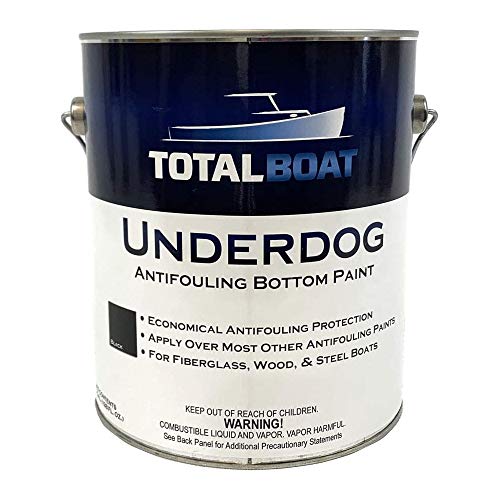
Best for: protecting hull bottoms from barnacles and mussels in saltwater conditions. This copper-biocide antifouling coating releases biocide as water flows under the hull, helping to prevent marine growth. It’s ideal for boats used regularly in saltwater environments and for boats that are hauled or docked frequently.
Limitation: designed for properly prepared fiberglass, wood, steel, or iron bottoms; it is an antifouling bottom paint, not a topside coating, so apply accordingly to hull bottoms only.
Buying Guide: Key Considerations For Marine Topsides
What substrate are you painting? Fiberglass, wood, or metal surfaces above the waterline respond differently to finishes and require appropriate adhesion, flexibility, and curing behavior.
Is it for topside or bottom use? Topsides should resist UV, salt, and weathering while staying flexible; bottom coatings emphasize antifouling properties and wear resistance in water contact.
Climate and curing: choose paints with dry-to-touch times and recoat windows that fit your project schedule and local humidity. Easy-to-apply formulas help DIY projects finish cleanly.
One-part vs. two-part: One-part polyurethane or enamel systems are simpler, while multi-part systems may offer superior durability but require more equipment and mixing steps. Consider your comfort level and workspace setup.
Surface preparation: effective adhesion depends on proper cleaning, sanding, and priming where needed. Surface prep often determines the longevity of the paint job more than the coating itself.
Maintenance and recoat intervals: glossy, chemical-resistant finishes typically retain color longer and resist UV; plan for maintenance cycles to preserve aesthetics and protection.
FAQ
- Q: Can I use topside paint on a boat bottom? A: No. Topsides paints are not designed for continuous submersion; use antifouling or bottom-specific coatings where required.
- Q: Do I need a primer for topside paint? A: Primers improve adhesion and provide a uniform base; follow product directions for surface type.
- Q: Is oil-based topside paint better than water-based? A: Oil-based can offer strong leveling and durability, but water-based options may be easier to cleanup and have lower odor; choose based on project needs and environment.
- Q: How long does topside paint take to cure? A: Dry-to-touch times vary; typically within 1–4 hours, with full cure taking longer. Ensure proper ventilation and temperature.
- Q: Can I spray TotalBoat Wet Edge? A: Yes, it’s designed for spraying as well as brushing or rolling; use appropriate equipment and safety gear.
- Q: How do I avoid peeling on metal surfaces? A: Proper surface preparation, including cleaning and scuffing, plus a suitable primer and compatible topcoat, reduces peeling risk.