Best Marine Fuel Tank Hoses for Boats and RVs
Answer: When selecting a marine fuel tank hose, choose a flexible, low-permeation line rated for ethanol blends and compatible with your fuel system. The top options below are best suited for boat engines, RVs, and other marine applications, with different diameters, lengths, and features to fit various fittings and priming needs. The selections emphasize reliability, resistance to fuel evaporation, and ease of installation for typical DIY users. The buyer types covered include boaters who need standard on-board fuel lines, RVers seeking durable long hoses, and those who require anti-kink or low-permeation designs. A quick comparison table is provided for quick reference.
| Product | Best For | Diameter / Length | Special Feature |
|---|---|---|---|
| Outboard boats | 3/8″ ID, 6 ft | Primer bulb included, low permeation | |
| Installers needing sprayless connector | 3/8″ ID, 6 ft | Sprayless connector, high temp rating | |
| Universal marine lines with accessories | 3/8″ ID, 6 ft | Includes primer bulb and stainless clamps | |
| Compact or lighter-duty setups | 5/16″ ID, 6 ft | Low permeation, wide compatibility | |
| High-temperature environments | 3/8″ ID, 10 ft | High temp range, reinforced |
TIHOOD 6FT Fuel Line Assembly
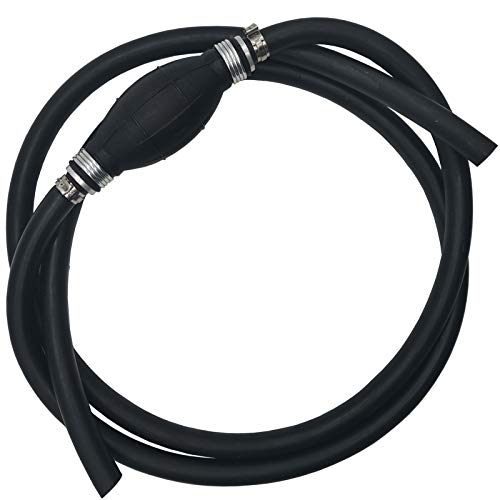
Best for: Outboard boats and marine vehicles that need a complete fuel line with a primer bulb. This assembly features a 3/8″ inner diameter hose with a 6-foot length, designed to work with ethanol blends and engineered to reduce fuel evaporation. It includes stainless hose clamps and a primer bulb for easier priming in multiple orientations. Choose this if you want a ready-to-install kit with minimal additional components.
Why selected: The inclusion of dual check valves supports flexible orientation without restricting flow. The low-permeation material helps minimize fuel loss over time, which is important for boat engines and RV fuel runs.
Caution: Ensure fittings match your engine and tank ports, as this is a universal assembly and may require additional adapters for certain setups.
Attwood 93806MUS7 Marine Fuel Line Kit

Best for: Boaters who want a sprayless fuel connector to reduce the risk of fuel sprays during connection and disconnection. The kit includes a 3/8-Inch low-permeation hose and a primer bulb with robust performance. It is rated to handle heat up to higher temperatures, making it suitable for varied marine environments.
Why selected: The sprayless connector minimizes the risk of fuel spray in pressurized lines, improving safety during maintenance. The kit’s primer bulb design contributes to consistent fuel flow and easier starting in marine conditions.
Caution: This kit is optimized for standard 3/8″ hoses; verify that your fuel system components (tanks, filters, and injectors) are compatible with the connector style.
Continental 58524 Fuel Fill/Marine Exhaust Hose

Best for: Marine fuel fill necks and exhaust hose needs where a rugged 1.5″ ID hose is required. This hose is designed to handle gasoline, methanol, ethanol, and diesel in marine applications and features a two-ply synthetic construction with helix wire for structural integrity.
Why selected: Its dual-purpose design supports multiple marine roles, enabling one hose to serve as both a fuel fill line and a vent/exhaust pathway where appropriate. The helix wire and synthetic construction provide lasting shape and resistance to kinking.
Caution: The larger 1.5″ inner diameter may not fit standard small-engine fittings; confirm port sizes before purchase.
BARTOO Fuel Line Assembly

Best for: Universal marine fuel line needs with base components including a primer bulb and 6-foot hose. It comes with 360° stainless steel hose clamps for durable installation. The line is compatible with ethanol-blended fuels and uses low-permeation material to reduce evaporation.
Why selected: The included primer bulb and stainless clamps simplify installation and maintenance, making it a practical all-in-one option for DIY boaters and RV users.
Caution: This is a universal line, so it does not include tank fittings; you may need additional adapters to fit your specific vessel or vehicle.
Universal 5/16″ Fuel Line Assembly

Best for: Lighter-duty marine setups that require a compact 5/16″ diameter hose with primer bulb and steel hose clamps. It is crafted to transfer gasoline and other fuels in a variety of marine and RV environments.
Why selected: The 5/16″ size offers a compact alternative to 3/8″ lines where space is limited. The included clamps support a secure fit on standard fittings.
Caution: This line uses a smaller inner diameter, which may reduce flow in high-demand engines; ensure your fuel demand aligns with 5/16″ capacity.
Buying Guide
What diameter and length do I need?
Measure your engine’s fuel inlet and tank fittings. Common sizes are 3/8″ ID and 5/16″ ID. Length should account for routing from tank to engine with some slack to accommodate movement. Overly long lines can increase fuel slosh; too short lines may stress fittings.
Is ethanol compatibility important?
Yes. Choose hoses rated for ethanol blends to minimize permeation and fuel loss. Low-permeation materials help preserve fuel integrity over time, especially in long storage or idle periods.
What about temperature and pressure range?
Marine fuel hoses should handle heat from engine compartments and sport higher burst pressures. Look for hoses with high-temperature tolerance and a robust reinforcement to prevent collapse near vibration.
Primer bulbs and fittings matter?
Primer bulbs improve starting performance and fuel priming, particularly in cold or long runs. If your system uses a primer bulb, verify compatibility with your hose diameter and connector type.
Should I use sprayless connectors?
Sprayless connectors reduce the risk of fuel spray during connection and disconnection. This feature is beneficial for safety and cleaner maintenance in tightly enclosed engine bays.
What are common installation limits?
Universal hoses may require adapters for non-standard tank or engine fittings. Check the hose’s stated compatibility and inspect clamps, clamps’ material, and corrosion resistance for marine use.
Maintenance and lifespan considerations
Inspect hoses for cracks, hardening, or soft spots regularly. Replace hoses that show signs of wear or that have exceeded their service life, especially in high-heat environments.
Buyer intent quick-reference
- Need a ready-to-install kit with primer bulb? Look at TIHOOD or Attwood options.
- Require sprayless connection for safety? Attwood kits are a clear fit.
- Looking for a rugged fill/exhaust hose combo? Continental 58524 is a strong choice.
- Seeking a compact line for tight spaces? Consider the 5/16″ YIENAKFUN option.
- Want a universal setup with included clamps? BARTOO provides a complete package.
FAQ
- What is the typical lifetime of marine fuel hoses? Generally, hoses should be inspected yearly and replaced every few years or sooner if signs of wear appear.
- Can I use any fuel hose for diesel and gasoline interchangeably? Not always. Check compatibility with your fuel type and engine requirements.
- Do these hoses require special fittings? Many are universal but may require adapters for specific tanks or engines.
- Are these hoses rated for ethanol blends? Yes, most listed options are designed for ethanol-blended fuels.
- Should I avoid using hoses near heat sources? Yes; position hoses away from direct heat sources to minimize degradation.
- Is a primer bulb necessary for marine fuel lines? Primer bulbs aid starting and fuel flow, but requirements vary by system.