Best Marine Fuel Check Valve Options for Boat Engines
Answering the need for reliable fuel flow control, these marine fuel check valves protect engines from backflow, siphoning, and fuel loss. The top picks below are best for boaters who want quick installation, corrosion resistance, and compatibility with common hose sizes. Choose this when you need one-way flow control in fuel lines, especially in systems exposed to saltwater and ethanol blends. This guide highlights five practical options and who each product best serves, from casual weekend anglers to serious saltwater skippers.
Summary table of selected products:
| Product | Best For | Key Benefit | Notes |
|---|---|---|---|
| Attwood Universal Fuel Demand Valve | Systems using 3/8″ or 5/16″ hoses | Low vacuum restriction, ethanol-friendly | High-strength composite for harsh environments |
| Attwood 88FAS014-6 Fuel Tank Fitting | Direct fuel line connections | Reliable male-thread connection | Aluminum, anti-siphon design |
| Seachoice Anti-Siphon Valve | USCG-regulated installations | Prevents theft and spills | Aluminum, corrosion resistant |
| EVIL ENERGY 3/8″ Check Valve (2 pack) | Inline check valve needs | Stainless spring, one-way flow | 6061-T6 aluminum, wide temperature range |
| Universal 12″ Marine Fuel Tank Pickup Tube with Check Valve | Fuel pickup installations | One-way flow, corrosion resistant | Includes strainer and 8mm check valve |
Attwood Universal Fuel Demand Valve for 3/8-Inch and 5/16-Inch Hoses

The Attwood 9300FDV7 is designed for 3/8-inch and 5/16-inch fuel hoses, making it versatile for common marine fuel lines. It uses a high-strength composite material that withstands marine conditions and ethanol blends. It is best for boaters who need reliable startup and running performance with minimal vacuum restrictions. A potential limitation is compatibility if your fuel hose size deviates from standard 3/8″ or 5/16″.
Who it’s best for: Small to mid-size boats with mixed hose sizes and ethanol-blended fuel needs. Why selected: Combines durability, compatibility, and smoother engine start-up.
Attwood 88FAS014-6 Fuel Tank Fitting — Male Thread
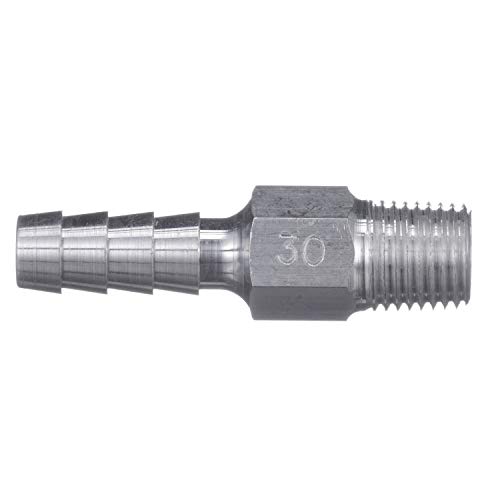
This aluminum anti-siphon valve provides a dependable male-thread connection for fuel line installations. It’s a solid replacement for original equipment in boats that require a secure connection to the fuel tank. Best for boaters who prioritize a straightforward, robust connection and USCG-friendly setups. Limitation: availability may depend on specific threading and barbed configurations.
Who it’s best for: Boatowners performing simple fuel line replacements or OEM-style installs. Why selected: Reliable metal construction and straightforward fit.
Seachoice Anti-Siphon Valve, 1/4 in. NPT
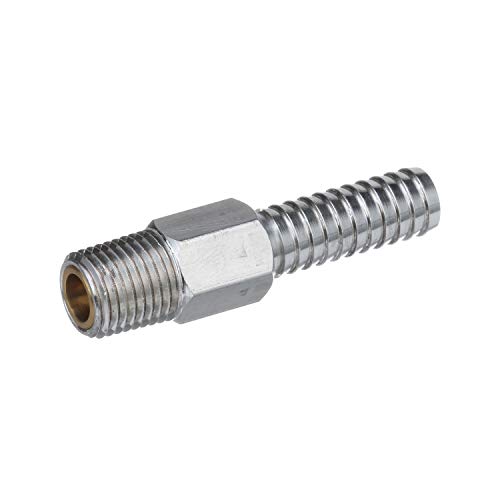
The Seachoice anti-siphon valve is designed to prevent fuel theft and spills. Made from corrosion-resistant aluminum, this valve meets U.S. Coast Guard regulations for safety and compliance. Best for installations requiring a compact, compliant anti-siphon solution. Limitation: 1/4-inch NPT sizing may not fit larger hoses without adapters.
Who it’s best for: Vessels needing a Coast Guard-compliant anti-siphon feature. Why selected: Combines regulatory compliance with corrosion resistance.
EVIL ENERGY 3/8″ Check Valve One Way Inline
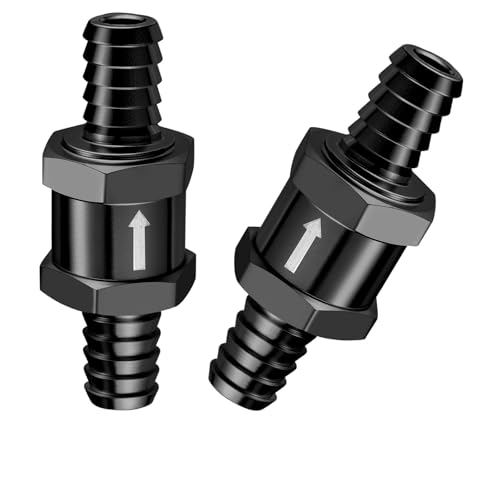
This EVIL ENERGY check valve supports 3/8″ (10 mm) hoses and features a stainless steel spring for one-way fluid flow, preventing backflow and stabilizing system pressure. The valve is built from high-strength 6061-T6 aluminum with black anodization for corrosion resistance. Best for systems needing reliable one-way flow with a broad operating temperature range. Limitation: data indicates a moderate upstream pressure requirement; verify compatibility with your system’s pressure needs.
Who it’s best for: Boats with 3/8″ fuel hoses requiring a robust one-way valve. Why selected: Strong material build and effective backflow prevention.
EVIL ENERGY 3/8″ Check Valve (2 Pack)

Another EVIL ENERGY option, this 3/8″ check valve includes a stainless steel spring and one-way design to prevent backflow and maintain system pressure. It shares the same material benefits as the single-pack version, suited for installations where multiple check valves are needed. Better for multi-point fuel lines or redundant setups. Caution: confirm that two valves will fit within your available space and line routing.
Who it’s best for: Boat owners installing multiple check valves or needing a spare. Why selected: Consistent performance with a compact, aluminum build.
Buying Guide
Key considerations when choosing a marine fuel check valve:
- Hose size compatibility: Verify your hose ID is 3/8″ or 5/16″ for best compatibility with the listed valves.
- Material and corrosion resistance: Aluminum and composite materials perform well in saltwater environments; look for anodized or coated finishes.
- Anti-siphon vs. check valve: Anti-siphon valves prevent siphoning and theft, while one-way check valves prevent backflow and maintain pressure. Some products combine features; choose based on your risk and performance needs.
- Regulatory compliance: For boats used in areas with strict regulations, prioritize valves that meet USCG or local standards.
- Installation considerations: Some valves thread directly into tanks or fittings; others require hose clamps or barb connections. Ensure you have the right adapters if needed.
- Operating conditions: Consider temperature and fuel type (gasoline, diesel, ethanol blends) to ensure the valve operates reliably across expected ranges.
- Maintenance: Look for valves with simple inspection for leaks and corrosion; check periodically after exposure to fuel and salt spray.
FAQ
- What is the main purpose of a marine fuel check valve? To prevent backflow and maintain stable fuel pressure, reducing the risk of fuel siphoning and engine issues.
- Do these valves work with ethanol-blended fuels? Many listed models are designed for ethanol-blended fuels; check material compatibility and hose size before installation.
- What size hose should I use with these valves? Common sizes are 3/8″ and 5/16″ ID; verify your system’s hose specification to ensure a proper fit.
- Are anti-siphon valves required by USCG? Some installations benefit from anti-siphon features and may be required by regulation depending on the vessel and fuel system design.
- Can I install multiple valves in a single fuel line? Yes, but plan space and flow considerations; use valves with appropriate mounting options and compatibility with your line routing.
- What should I check after installation? Look for leaks, ensure the valve allows flow in the intended direction, and confirm the valve does not restrict starting or running of the engine.