Best Marine Antifreeze Propylene Glycol for Boats and RVs
Answering the buyer’s question: which propylene glycol antifreeze is best for marine and RV systems that use glycol-based heat transfer or cooling fluids. This guide highlights five top propylene glycol antifreeze products, showing who they suit best, their key advantages, and practical limits. The focus is on reliability, corrosion protection, and cold-weather performance for engines, water systems, and hydronic heating in boats, RVs, and marine equipment. The top picks are ideal for gearheads, boat owners, and seasonal travelers who want dependable freeze protection without cluttered mixing.
Summary table of selected products:
| Product | Brand | Best For | |
|---|---|---|---|
| STAR BRITE Premium -100° Boiler System Antifreeze | STAR BRITE | Extreme cold, heating and cooling systems | Very low temperature protection, good heat transfer |
| Star Tron Star-Cool Premium Synthetic PG Engine Coolant | STAR BRITE | Engines and high-heat environments | Long service life, POAT protection |
| West Marine -50°F Engine & Water System Antifreeze | West Marine | Moderate cold protection for engines and water systems | Pre-mixed, ready to use |
| STAR BRITE Premium -200°F Antifreeze | STAR BRITE | Potable water systems and extreme cold, RV/marine | Extreme cold protection, corrosion inhibitors |
| Century Heat Transfer Fluid, Red 1 Gallon | Century Chemical | RV heating systems, hydronic and solar setups | GRAS ingredients, non-toxic |
STAR BRITE Premium -100° Boiler System Antifreeze

Best for: Boats and RVs with Aqua-Hot or Hydro-Hot heating systems that require strong cold-weather protection and reliable heat transfer. This propylene glycol fluid provides Burst Protection down to -100ºF (-73ºC) at full strength and includes premium corrosion inhibitors to safeguard internal components. Choose this if your system operates in extreme cold and you need robust heat transfer performance with long-term protection. A potential limitation is that ultra-low temperature protection is highly specific to full-strength use; dilution may reduce performance.
Star Tron Star-Cool Premium PG Engine Coolant

Best for: Engines and high-performance marine or automotive setups where maximizing horsepower and efficiency matters. The star Tron formulation uses POAT technology for advanced corrosion resistance and leak prevention, offering extended service life for up to 2+ years. It is designed to be compatible with all engines and is biodegradable. Avoid this if you need ultra-quiet or minimal maintenance regimes that rely on single-use products with shorter lifespans.
West Marine -50°F Engine & Water System Antifreeze
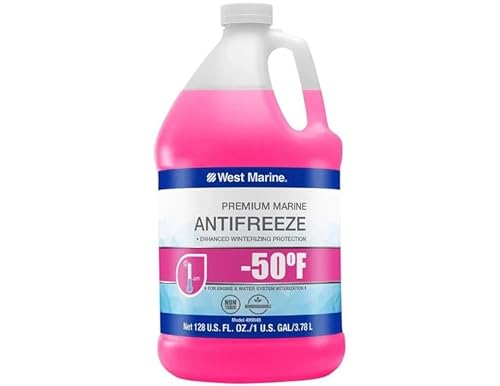
Best for: Boat owners seeking a ready-to-use, pre-mixed solution with solid corrosion protection for both engines and water systems. This product protects down to -50°F and eliminates the need for mixing or diluting. A limitation is its moderate cold protection compared to ultra-cold formulations, so consider if you operate in milder winter regions or seasonally cold climates.
STAR BRITE Premium -200°F Antifreeze
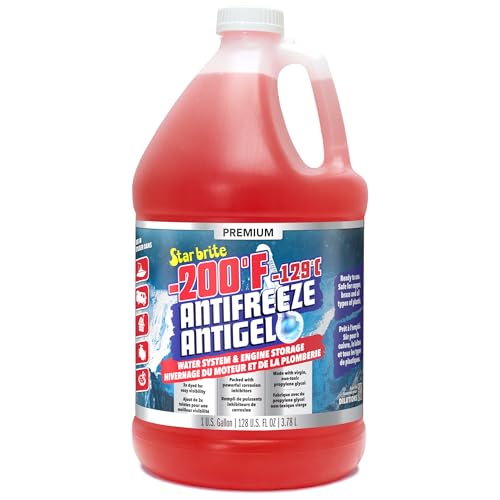
Best for: Potable water systems and extreme cold-weather protection in marine and RV settings. This product uses virgin propylene glycol with corrosion inhibitors to prevent rust and wear. It is designed to protect pipes, water systems, and engines in very low temperatures. A caution is to ensure compatibility with any local potable-water codes and guidelines, as some installations may require specific formulations for drinking-water contact.
Century Heat Transfer Fluid, Red 1 Gallon

Best for: RV and hydronic heating systems where a non-toxic, ready-to-use propylene glycol solution is preferred. Century’s fluid is designed for high heat transfer efficiency with a high boiling point and non-corrosive formula. Choose this if you prioritize environmental safety and ease of use in camper heating and hydronic installations. A limitation is that some users may require additional inhibitors for longer-term systems in severe climates.
Buying Guide: Key Considerations for Propylene Glycol Antifreeze
- Protection range: Evaluate the minimum temperature your system will encounter. Ultra-low protection like -200°F suits extreme cold, while -50°F may be enough for milder climates.
- System type: Match the fluid to your application—engine coolant, hydronic heating, or potable water systems. Some formulas target engines, others emphasize water systems.
- Inhibitors and corrosion protection: Look for inhibitors that guard aluminum, brass, copper, and solder, especially in mixed-metal systems.
- Readiness: Ready-to-use, pre-mixed formulas save time and reduce dilution errors. Dilutable products offer flexibility but require accurate mixing.
- Environmental and safety: Non-toxic or GRAS-grade formulations are preferable for camping, RV use, and potable-water scenarios.
- Compatibility: Ensure the glycol type and additives work with your equipment’s seals, gaskets, and manufacturers’ guidelines.
Frequently Asked Questions
- What is propylene glycol antifreeze best for in boats? It protects engines, cooling systems, and hydronic heating in cold weather with corrosion inhibitors for metal parts.
- Can I mix different brands of propylene glycol antifreeze? Mixing is generally discouraged unless the products are designed to be compatible; always check manufacturer guidelines.
- Is ready-to-use antifreeze safer for beginners? Yes, it reduces dilution errors and simplifies winterization tasks for casual boaters and RV owners.
- What temperature range should I consider for marine systems? Choose based on the coldest temperatures you expect; extreme off-season use may require -100°F to -200°F protection.
- Are there environmental concerns with glycol antifreezes? Some formulations are biodegradable and non-toxic, but it’s best to handle spills and disposal per local regulations.
- What maintenance is required for glycol systems? Regular inspections for leaks, corrosion, and inhibitor levels help preserve system longevity and performance.