Best Marine Aluminum Fuel Tank Fittings for Your Boat
Answering the core buyer question: which marine fuel tank fittings will deliver reliable, corrosion-resistant connections for aluminum tanks and standard hoses? This guide highlights five top options, explains who each is best for, and notes practical considerations. Ideal for boat owners, installers, and DIY enthusiasts seeking durable fittings that stand up to ethanol fuels and marine environments. The summary table below helps you compare key aspects at a glance.
| Product | Best For | Connection Type | Material | |
|---|---|---|---|---|
| DEF 7-0948 Fuel Withdrawal Depth Standard Universal Boat Gas Tank Tube | General marine fuel systems needing a versatile pickup tube | 3/8″ NPT external, 1/4″ NPT internal; 90° aluminum joint | Polyethylene | Compatible with E10 and E85 fuels |
| Earlyred 12″ Marine Fuel Tank Pickup Tube with Strainer | Longer pickup runs in standard tanks | 3/8″ NPT external, 1/4″ NPT internal | HDPE | Brass barb connector option; universal fit |
| Attwood 8883-6 Brass Quick-Connect Tank Fitting | Durable brass, quick-connect needs | 1/4″ NPT male thread | Brass | Works with Johnson/ Evinrude/OMC systems |
| Attwood 14531-6 Marine Fuel Tank and Hose Fittings | Zinc die-cast, versatile fuel compatibility | 1/4″ NPT with 3/8″ I.D. hose barb | Zinc die-cast | Suitable for various ethanol-blended fuels |
| Tanbupu Universal Marine Fuel Tank Pickup Tube with Strainer | Flexible universal pickup with brass barb adapter | 3/8″ NPT external; 1/4″ NPT internal; brass barb adapter | HDPE with brass barb | Includes barb adapter for varied setups |
DEF 7-0948 Fuel Withdrawal Depth Standard Universal Boat Gas Tank Tube

Product type and compatibility: A polyethylene pickup tube designed for universal use with marine gas tanks. It features a 90-degree aluminum joint and threads compatible with 3/8″ NPT external and 1/4″ NPT internal standards. It’s suitable for today’s gasoline blends, including E10 and E85. This makes it a practical choice for boats that require a flexible, corrosion-resistant pickup path.
Who it’s best for: Boat owners needing a straightforward, ethanol-tolerant withdrawal tube that integrates with common NPT thread standards. It’s especially suitable for installations requiring a compact, rigid pickup with a strainer option (as shown in some variations).
Why selected: Its compatibility with modern ethanol fuels reduces the risk of deterioration from ethanol exposure, and the rigid polyethylene design resists typical marine wear. The 90-degree joint simplifies routing in tight engine compartments.
Caution or limitation: The HDPE/PE construction may be less impact-absorbent than some metal alternatives, so ensure proper routing to avoid sharp bends that could stress the tube over time.
Attwood 88FAS014-6 Fuel Tank Fitting
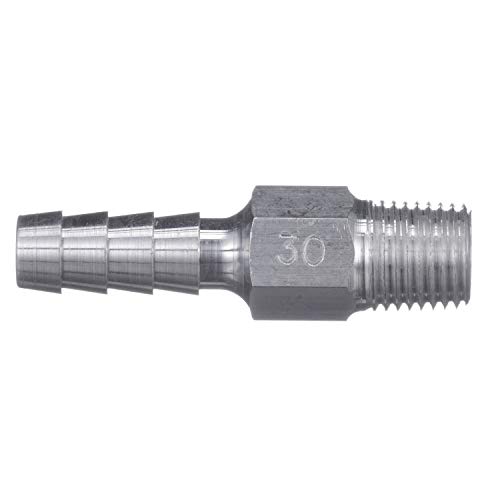
Product type and compatibility: A male-threaded aluminum fuel tank fitting with anti-siphon capability and a 1/4″ NPT thread to 3/8″ barb interface. This is a dependable replacement for original equipment and provides a secure fuel line connection for marine tanks.
Who it’s best for: Installers seeking a durable, corrosion-resistant male-threaded fitment to replace aging hardware or add a reliable connection point in aluminum tanks. It’s particularly relevant for systems that require an anti-siphon feature to prevent backflow.
Why selected: Aluminum construction offers light weight with good corrosion resistance in a marine environment, and the anti-siphon feature helps prevent unintended fuel flow when the system is off or under pressure changes.
Caution or limitation: The product primarily covers male-thread connections; ensure hose barb alignment matches your hose size to avoid leaks or fitment issues.
Attwood Brass Quick-Connect Tank Fitting 1/4 Inch

Product type and compatibility: Solid machined brass construction with a quick-connect 1/4-inch NPT male thread. It provides fast, secure connections compatible with Johnson, Evinrude, and OMC engines and tanks.
Who it’s best for: Boats using legacy Johnson/Evinrude/OMC systems or those needing a brass, corrosion-resistant connection that can be quickly installed or replaced during maintenance.
Why selected: Brass offers excellent corrosion resistance in saltwater environments, and the quick-connect feature reduces downtime during fuel system servicing.
Caution or limitation: Brass is heavier than some plastic options; consider weight distribution and tank placement in small craft where every gram matters. Check compatibility with your specific tank fittings before purchasing.
Attwood 8889LP6 Acetal 3/8-Inch Barb Fuel Hose Fitting

Product type and compatibility: Acetal (POM) 3/8-inch barb fuel hose fitting designed to mate with Attwood 8883-6 and similar components for Johnson/Evinrude/OMC brands. It’s designed for easy installation and secure hose connection.
Who it’s best for: Those using Attwood components together, or installers prioritizing a chemically resistant, easy-to-clamp option for 3/8″ I.D. hoses. It’s a logical choice when a tidy, integrated setup is desired.
Why selected: The acetal material resists fuel additives and is known for low water absorption, contributing to stable performance in marine environments.
Caution or limitation: Purchase hose clamps separately; ensure correct clamp size for the 3/8″ I.D. hose to prevent leaks under pressure.
Tanbupu Universal Marine Fuel Tank Pickup Tube with Strainer

Product type and compatibility: A universal pickup tube with strainer, designed to replace the standard 7-0948 configuration. It includes a brass barb adapter with 1/8″ NPT threads and a 1/4″ ID outlet for flexible hookups.
Who it’s best for: Marine operators looking for a flexible, universal solution that can accommodate a variety of fuel line configurations and adapters within a single unit.
Why selected: The universal approach and brass barb adapter increase installation flexibility, enabling use with multiple fuel system schemes and tank shapes.
Caution or limitation: The kit’s multiple connection options require careful planning to ensure proper fitment with existing hoses and tanks; verify thread sizes and outlet diameters before ordering.
Buying Guide
What material should I choose?
For aluminum tanks, corrosion resistance is key. Polyethylene and high-density polyethylene offer good chemical compatibility and lightweight options, while brass and aluminum fittings provide robust durability for long-term use. Consider compatibility with ethanol fuels (E10, E85) to avoid material degradation.
What connection sizes do I need?
Most marine fittings use 3/8″ NPT external threads with 1/4″ NPT internal threads or 1/4″ NPT male threads. Confirm your tank’s port size and hose inner diameter (I.D.) before purchasing to ensure a snug, leak-free seal.
Is anti-siphon important?
Anti-siphon features prevent unintended fuel flow when the system is not in use, which can be crucial for safety and fuel management on smaller craft or dockside storage.
Should I prioritize quick-connect fittings?
Quick-connect brass fittings can speed up maintenance and removal. However, ensure compatibility with your existing hoses and clamps. Tighten fittings properly to prevent leaks under vibration risk on a moving vessel.
Are there compatibility considerations with engines?
Some fittings are designed to integrate with Johnson, Evinrude, or OMC tanks and engines. If you are replacing original hardware, match the brand compatibility and thread type to your current system to avoid adapter failures.
What about installation tips?
Install in a dry area, tighten with appropriate wrenches to avoid overtightening, and use gaskets or O-rings where included. Check hose clamps separately and replace worn components to maintain a secure seal over time.
Maintenance and lifespan
Regular inspection for corrosion, cracks, or fuel leaks is essential. Replace plastic or deteriorating components promptly to preserve fuel system integrity in a marine environment.
Quick FAQ
- What is the typical material for marine fuel tank fittings?
Answer: Common materials include polyethylene, high-density polyethylene, brass, aluminum, and acetal, chosen for corrosion resistance and compatibility with fuel blends. - Do these fittings fit standard 3/8″ NPT ports?
Answer: Most products in this category use 3/8″ external NPT with 1/4″ internal NPT or a similar standard; verify port specifications before purchasing. - Is ethanol fuel compatible with these fittings?
Answer: Many listed options are designed to handle E10 and E85 fuels; confirm chemical compatibility with the exact fuel blend in your vessel. - Should I use brass or plastic fittings?
Answer: Brass offers excellent durability and corrosion resistance in marine settings, while high-density polyethylene is lightweight and ethanol-tolerant for certain pickups. - What maintenance steps are recommended for fuel tank fittings?
Answer: Regularly inspect for leaks, cracks, or corrosion, replace worn clamps, and ensure all connections are snug but not overtightened. - How do I choose the right pickup length?
Answer: Measure your tank depth and routing path; longer pickups can reach deeper liquid but may increase rigidity requirements and potential snag points.