Best Louver Vents for Boats: Durable Marine Vents to Improve Airflow
If you’re shopping for boat ventilation, you want durable louver vents that resist corrosion and keep water out. This guide highlights five top options and explains who they’re best for. Whether you need cabin vents, engine area airflow, or deck ventilation, these picks balance airflow, material quality, and ease of installation. The buyers here range from DIY boat owners to yacht crews seeking long-lasting stainless steel or affordable plastic solutions for non-critical spaces. A quick comparison table follows to help you decide at a glance.
| Product | Material | Best For | Key Benefit |
|---|---|---|---|
| Vinland Marine 8-Slot Vent | 304 Stainless Steel | Coastal cruisers, engine compartments | Corrosion resistance with polished finish |
| JT-HLM 5 Slots Vent | Stainless Steel | Rugged marine environments | Flush surface to reduce snag hazards |
| MARINE CITY Louvered Vent | Stainless Steel | Boats, yachts, RVs | Mirror finish for sleek look and airflow control |
| Acouto Boat Louver Vent | Stainless Steel | All kinds of ships | Strong, hand-polished stainless steel |
| Douzime Boat Cabin Vents Louver | 316 Stainless Steel | Ventilation panels for cabins | 316 stainless steel with 2-pack option |
Vinland Marine 8-Slot Louvered Vent

Best for: Boat cabins and engine compartments where corrosion resistance matters. The Vinland Marine vent is made of 304 stainless steel with a welded, polished finish to resist sea salt and humidity. It’s designed to facilitate airflow while keeping water, spray, and debris out. If you’re replacing a vent on a cabin ceiling or wall, this model offers a clean, durable surface that won’t degrade in marine conditions.
Why selected: Stainless steel construction and a polished finish provide lasting durability in salt air. The 8-slot design balances airflow with a compact form factor suitable for limited openings.
Limitations: Polished stainless steel can show scratches over time; installation requires accurate hole sizing to ensure a flush fit.
JT-HLM 5 Slots Boat Louvered Vent
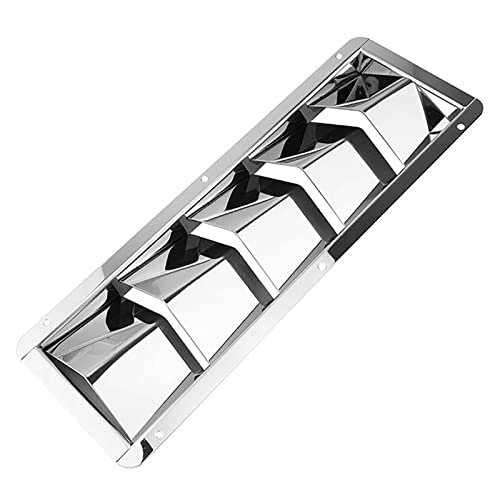
Best for: Harsh marine environments where rust resistance matters. This vent uses stainless steel with a polished finish to withstand corrosion. It is easy to install without modification and is less likely to require specialized tools, making it suitable for DIY installations.
Why selected: The product emphasizes anti-corrosion performance, easy installation, and a flush design that minimizes snag hazards in busy docks and marinas.
Limitations: For larger openings, you may need multiple units to achieve desired airflow; consult the cutout size to ensure a proper fit.
MARINE CITY Louvered Vent

Best for: Boats and yachts seeking a mirror finish and quiet airflow control. The stainless steel construction with a mirror finish helps blend with vessel aesthetics while offering corrosion resistance and durable performance for high-salt environments.
Why selected: The design reduces potential damage from mooring lines or fishing lines by providing a flush surface, aiding smoother airflow and reducing snag hazards.
Limitations: The glossy mirror finish may show fingerprints or minor scratches more readily than satin finishes; cleaning is straightforward but winner’s care is recommended to maintain the look.
Acouto Boat Louver Vent

Best for: Broad marine applications where robust construction is needed. The vents are made from high-grade stainless steel castings with hand polishing for added strength and a premium finish.
Why selected: Strong, durable build and precise craftsmanship suit various vessel types, including ships and smaller boats, where a sturdy vent is essential for long-term service.
Limitations: Hand-polished surfaces may show minor cosmetic irregularities from production; ensure proper sizing to fit designated openings.
Douzime Boat Cabin Vents Louver

Best for: Cabin ventilation with a clean, industrial look. The 316 stainless steel construction offers corrosion resistance, suitable for marine interiors and exterior vents alike.
Why selected: 316 stainless steel provides excellent corrosion resistance, especially in brackish or coastal environments, and the square vent design suits many cabin openings.
Limitations: Some production traces may be visible on the surface; verify hole dimensions before installation to ensure a snug fit.
Buying Guide
What material should I choose?
Stainless steel vents (304 or 316) are preferred for long-term durability in saltwater environments. 316 stainless steel offers higher corrosion resistance, making it suitable for harsher marine conditions. Plastic options can be lighter and more affordable but may wear faster in sun exposure and salt air.
What size and slot configuration do I need?
Choose the slot count based on the air volume you need. More slots typically increase airflow but require larger openings. Measure the existing opening and select a vent that provides a flush, seamless fit to prevent water intrusion and snag hazards.
What about finish and appearance?
A polished or mirror finish looks sleek on modern boats and yachts, but satin or brushed finishes may hide minor scratches better. For exposed exterior use, mirrors and bright finishes can be easier to clean and maintain.
How easy is installation?
Some vents advertise “no modification” installation, while others require cutting or drilling. If you’re new to boat work, choose models marketed as easy-to-install or with simple, tool-free mounting options. Ensure hole dimensions align with the vent’s frame.
Are there any safety considerations?
Flush surfaces reduce the risk of lines snagging on vents. For high-traffic exterior areas or anchor spots, select vents with secure mounting and corrosion-resistant fasteners to prevent loosening during rough seas.
FAQ
- What is a louver vent? A louver vent uses angled slats to allow airflow while blocking water, spray, and debris from entering.
- Which material lasts longer on boats? Stainless steel, especially 316 stainless, offers superior corrosion resistance in marine environments. 304 is common and durable but slightly less resistant to salt exposure.
- Can I replace vents myself? Yes, many vents are designed for DIY installation with standard hole sizing and mounting screws. Verify hole dimensions and mounting hardware before starting.
- Do I need different vents for interior and exterior use? Interior vents may prioritize aesthetics, while exterior vents prioritize splash resistance and weatherproofing. Select based on location and exposure.
- How do I maintain louver vents? Clean the slats with mild soap and water, dry thoroughly, and inspect for corrosion or loose fittings during routine boat maintenance.
- Should I choose plastic or metal vents? Plastic vents are lighter and cheaper but may not withstand harsh marine conditions as long as metal vents. Use plastic for non-critical spaces or temporary installations.