Best Lithium Battery for Kayak Trolling Motor Buyers Guide
If you’re powering a kayak trolling motor, a high-quality lithium battery delivers longer run time, lighter weight, and safer performance than traditional lead-acid packs. This guide highlights five top options that suit anglers, recreational paddlers, and portable outboard setups. Each product is evaluated for weight, durability, cycle life, cold-weather performance, and ease of use to help you pick the right fit for your kayak adventures.
| Product | Key Benefit | Best For |
|---|---|---|
| SUPER EMPOWER 12V 100Ah LiFePO4 | High cycle life, integrated BMS, drop-in replacement | Long days on the water, veteran anglers |
| Renogy 12V 20Ah LiFePO4 | Extremely light, compact, solid BMS protections | Ultralight setups, portable kits |
| Mighty Max 12V 35Ah Wilderness Tarpon | Affordable SLA option with rugged build | Budget-conscious kayakers needing reliable backup |
| DC HOUSE 12V 100Ah LiFePO4 | Bluetooth monitoring, low-temp cut-off | Tech-savvy users who want remote status |
| BUKNUWO 12.8V 100Ah LiFePO4 | High energy density, expandable series/parallel | Future-proofed power systems, solar integration |
SUPER EMPOWER 12V 100Ah LiFePO4 Battery

The SUPER EMPOWER 12V 100Ah LiFePO4 battery is designed for deep-cycle energy storage. It features premium LiFePO4 cells and an integrated BMS to guard against overcharge, over-discharge, overcurrent, short circuit, and temperature extremes. It is positioned as a drop-in replacement for lead-acid systems in RVs, boats, and solar setups. It is intended for auxiliary and house power rather than engine starting. Best for anglers who want reliable all-day power for trolling motors and electronics without the weight of lead-acid packs.
Why selected: High cycle life (up to 15,000 cycles at 60% DOD) and a true drop-in form factor (BCI Group 24, M8 terminals) make it a solid, maintenance-light option for kayak setups. The built-in protection helps ensure stable daily use in mobile environments. A potential limitation: not designed for engine cranking.
Who it’s best for: Kayak anglers and small craft owners needing a long-lasting, safe, and easy-to-install power source for trolling motors and onboard electronics.
Renogy 12V 20Ah LiFePO4 Battery
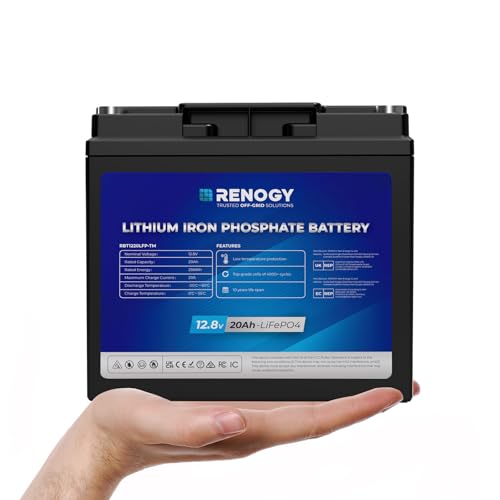
The Renogy 12V 20Ah LiFePO4 battery is ultracompact and light, weighing about 5.95 pounds. It uses a built-in 20A BMS and IP65 waterproof rating, making it suitable for kayaks and outdoor use. With an expected 4000+ cycles at 80% DOD, it offers a longer life than many lead-acid options, and its low self-discharge helps preserve charge between trips. Best for ultralight kayak setups or emergency kits where minimizing weight is critical.
Why selected: Extreme portability and strong cycle life at a small capacity suit tiny trolling motors or auxiliary power. A caution: 20Ah capacity may require more frequent recharging on longer trips.
Who it’s best for: Builders seeking a compact, lightweight, and reliable lithium option for small trolling motors or backup power on short kayak excursions.
Mighty Max Battery 12V 35Ah Wilderness Tarpon
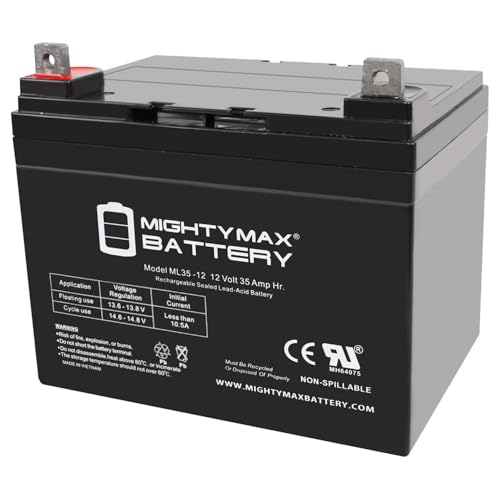
The Mighty Max Battery 12V 35Ah SLA (Sealed Lead Acid) is a traditional option for trolling motors on a budget. It provides reliable performance with a high discharge rate and wide operating temperatures. This model is designated as a replacement for larger power packs in older kayak setups and for those who prefer maintenance-free SLA with spill-proof design. Best for budget-focused kayakers who want a ready-to-use, sealed package without lithium concerns.
Why selected: Cost-effective and widely compatible with older trolling motor systems. Limitation: Heavier and less durable than LiFePO4 options, and it requires more maintenance than lithium batteries.
Who it’s best for: Kayak users who need a straightforward, low-cost power source that fits trolling motors designed for lead-acid batteries.
DC HOUSE 12V 100Ah LiFePO4 Trolling Motor Battery

The DC HOUSE 12V 100Ah LiFePO4 battery includes a Bluetooth feature for real-time monitoring and a robust 100A BMS. It employs low-temp cut-off, automatically protecting the battery when temperatures fall below safe charging or discharging levels. With a claimed cycle life up to 15,000 and a 10-year service life, this model targets anglers who want remote visibility and extended longevity for trolling motors and marine electronics. Best for tech-enabled kayaks seeking maintenance-light operation.
Why selected: Bluetooth monitoring and low-temperature protection address variable chop and cold-water conditions. Caution: Bluetooth range is limited to a few meters, so remote checks may require line-of-sight access.
Who it’s best for: Power users who value data access and cold-weather resilience when powering trolling motors on longer kayak trips.
BUKNUWO 12.8V 100Ah LiFePO4 Battery

The BUKNUWO 12.8V 100Ah LiFePO4 battery emphasizes high energy density with a 1.28 kWh capacity. It uses a 100A BMS and Grade A cells, delivering up to 4000 cycles at 100% DOD, 6000 cycles at 80% DOD, and up to 15000 cycles at 60% DOD. It supports expandable series/parallel configurations (up to 4S4P) for larger energy systems, making it a strong choice for future solar or home-energy setups. Best for future-proofed kayak power with flexibility to scale.
Why selected: Expandability and high cycle potential offer long-term versatility for growing trolling-motor rigs or integrated solar solutions. Caution: More advanced systems may require careful wiring for series/parallel configurations.
Buying Guide
What to consider when choosing a lithium battery for a kayak trolling motor:
- Voltage and capacity: Match your trolling motor’s voltage and your desired run-time. Smaller kayaks often perform well with 12V packs of 10–20Ah, while longer trips benefit from 100Ah+ capacities.
- Weight and form factor: Lithium batteries dramatically reduce weight compared with lead-acid. Consider the available storage space in your kayak and the battery’s dimensions.
- Battery chemistry: LiFePO4 offers safety, long cycle life, and stable performance in cold weather. Other chemistries may be cheaper upfront but offer fewer charge cycles.
- BMS protections: A robust BMS protects against overcharge, over-discharge, short circuits, and temperature extremes. Look for models with low-temp cut-off if you fish in cold climates.
- Cold-weather performance: If you kayak in cool or winter conditions, select a battery with low-temperature protection and low self-discharge.
- Monitoring and connectivity: Bluetooth or app-based monitoring helps you track state of charge and health, especially for longer trips.
- Durability and waterproofing: Look for IP ratings and rugged enclosures if your kayak is exposed to splashes or rough water.
Frequently Asked Questions
- Q: How long will a 100Ah LiFePO4 battery run a trolling motor? A: It depends on motor draw and speed. Higher draw reduces runtime; a 100Ah pack often provides many hours of lower-speed trolling, with long runtimes possible on moderate draws.
- Q: Do LiFePO4 batteries require maintenance? A: They are generally maintenance-free, with no memory effect and long cycle life when used within recommended temperatures and voltages.
- Q: Can these batteries be charged with a typical marine charger? A: Yes, many LiFePO4 batteries are compatible with standard marine charging equipment, but verify the charger’s voltage and current limits for LiFePO4 chemistry.
- Q: Are LiFePO4 batteries safer on water than lead-acid? A: LiFePO4 cells are inherently more chemically stable, with lower risk of thermal runaway and no leak-prone acid, contributing to safer marine use.
- Q: Should I choose a higher capacity for longer trips? A: If you regularly run electronics for extended periods, a larger capacity provides more reserve and reduces the need for frequent recharges.
- Q: Is expansion with series/parallel wiring advisable? A: It is appropriate for experienced installers who need higher voltage or capacity; follow manufacturer guidance to avoid misconfiguration.