Best Life Jacket Options for a 100 Lb Kid: Safe, Comfortable Buoyancy Vests for Small Watersports Enthusiasts
Finding the right life jacket for a 100 lb child means prioritizing fit, USCG approval, and mobility. The best options below balance buoyancy, adjustability, and comfort for kids or teens around this weight range. This guide highlights top picks for active swimmers and beginners alike, with notes on who each vest is best for and key limitations to consider. Use the comparison table to quickly gauge fit and features at a glance.
| Product | Best For | Key Benefit |
|---|---|---|
| Connelly Teen Nylon Life Vest | Active teens | USCG approved; 90–120 lbs; hidden belts for mobility |
| Stohlquist Fit Youth/Adult PFD | High-mobility activities | Soft foam; fully adjustable; durable |
| Gogokids Youth Swim Vest | Safety-focused youth | UL 1177-2011 certified; triple safety details |
| Owntop Neoprene Youth 75-125 lbs | Water sports and training | Lightweight; quick-dry neoprene; triple safety straps |
| Onyx General Purpose Boating Life Jacket | Casual boating | Adjustable belts; lightweight; large armholes |
Connelly Teen Nylon Life Vest, 90 to 120 lbs

The Connelly Teen Nylon Life Vest is designed for youths within 90–120 pounds. It carries US Coast Guard approval, offering reliable buoyancy and compliance for paddle sports, boating, and swimming lessons. The vest features hidden belts to improve mobility during active water play. Best for teens who need a secure, non-restrictive fit without visible belt straps. A potential limitation is that the size range starts at 90 pounds, so smaller kids may require a different option.
Stohlquist Fit Youth/Adult PFD Life Jacket Vest
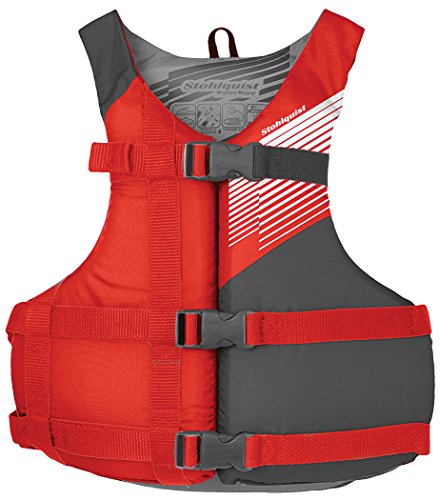
The Stohlquist Fit PFD is adjustable for ages and body types within the 75–125 lb range. It emphasizes comfort and mobility with sculpted foam and a thinner back panel to minimize seat interference. This USCG-approved vest suits kids and teens who participate in paddling, wakeboarding, or other buoyant activities. The main limitation is that some wearers may prefer a lighter or more compact design for long sessions.
Gogokids Youth Swim Vest for Kids Teens

The Gogokids vest is specifically certified for youth safety with standards aligned to ASTM F963-17 and UL 1177-2011. It features dual safety details, easy-on zippers, and double-lock buckles for enhanced security. Suitable for recreational swimming and light boating. A potential caveat: some users may prefer a larger armhole or different sizing across the 50–125 lb range.
Owntop Neoprene Youth 75-125 lbs

The Owntop neoprene vest for 75–125 lbs relies on lightweight, quick-dry neoprene with triple safety straps for a secure fit. It is well-suited for water sports, kayaking, and swimming training, offering flexibility for a range of activities. Best for families seeking a flexible vest that tolerates extended water sessions. A limitation is that neoprene may retain more heat in hot climates than some fabrics.
ONYX General Purpose Boating Life Jacket
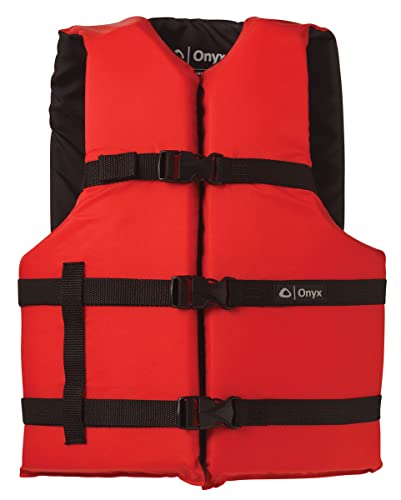
The Onyx universal life jacket emphasizes adjustable belts, a chest strap, and large armholes for comfort. It is a versatile option for casual boating or family trips on the lake. Best for simple, everyday use where easy adjustment and quick access matter. A potential limitation is that some users may need more specialized flotation for advanced water sports.
Owntop Swim Vest Youth 50-90 lbs

This Owntop vest is designed for the lower end of the weight range (50–90 lbs) with triple adjustable straps and quick-release buckles. It’s lightweight with a quick-dry fabric, making it suitable for swimming lessons and family water activities. It’s best chosen when a secure, easily adjustable fit is needed across varying swims and activities.
Buying Guide
What weight range should I target for a 100 lb child?
Look for vests labeled for 75–125 lbs or 90–120 lbs to ensure proper buoyancy and secure fit as the child grows. Adjustable belts and multiple straps help preserve fit as the child moves.
Is USCG approval important?
Yes. USCG approval indicates the vest meets established safety standards for flotation and retention. For children engaging in boating, paddling, or swimming lessons, a USCG-approved vest adds a reliable safety layer.
How important is mobility and comfort?
Mobility matters for active water activities. Features like sculpted foam, thinner back panels, and hidden belts reduce restriction. Neoprene vests offer a flexible, snug feel but may be warmer in hot weather.
Which material should I prefer?
Neoprene vests provide a snug, flexible fit with quick-dry properties, ideal for frequent water sports. Nylon vests may be lighter and simpler to adjust. Consider climate, activity type, and how often the vest will be worn.
What safety details should I check?
Beyond USCG status, verify secure buckles, double-lock mechanisms, and easy-on zippers. If the vest features reflective elements or high-visibility colors, it improves visibility in low-light conditions.
How should I assess sizing and fit?
Verify the provided weight range and measure torso length if available. A properly fitted vest should stay in place during movement, with armholes comfortable enough to avoid chafing or restriction.
Maintenance and care considerations
Rinse after water use to remove salt or chlorine. Air dry away from direct heat. Inspect straps and buckles regularly for wear, and replace if any components show damage.
Quick comparison takeaways
- Best for active teens with mobility needs: Connelly and Stohlquist.
- Best for safety-focused young swimmers: Gogokids with enhanced safety details.
- Best for water sports and quick-dry comfort: Owntop neoprene vest.
- Best for casual boating and general use: Onyx universal vest.
Frequently Asked Questions
- What weight should my child be for these vests?
Look for vests labeled for 75–125 lbs or 90–120 lbs as the target range for roughly 100 lb children.
- Do all these vests meet USCG standards?
Many do, including several models listed here. Always check the product page for USCG approval status.
- Are neoprene vests better than nylon ones?
Neoprene offers flexibility and quick-dry properties; nylon can be lighter and simpler. Choose based on climate and activity.
- What features improve safety the most?
Locking buckles, double-strap protection, adjustable chest belts, and easy-access zippers contribute to safer, secure fits during active water use.
- How should I test fit without water?
Have the child stand upright; the vest should sit squarely on the torso, with straps snug but not restrictive. Move arms and twist to ensure no ride-up.