Best Lead and Alternative Wake Ballast Options for Boats: Choose the Right Weight Bag for Your Wake
Answering the common buyer question, this guide helps boat owners choose ballast bags that improve wake quality while considering material safety, durability, and ease of use. The top picks below cover both traditional lead alternatives and non-lead options, each selected for reliability, practicality, and clear benefits for specific boat types or wake goals. Best for: wake surfers and wakeboarders seeking predictable wave shaping, crew with safety concerns about lead, and boat owners with limited storage space.
| Product | Best For | Key Benefit |
|---|---|---|
| SHOTBAG BALLAST Bag (25 lb) | Smaller boats or beginners | Compact option with padded handle and durable stitching |
| SHOTBAG BALLAST Bag (50 lb) | Fuller wakes on mid-size boats | Higher ballast in a single bag for stronger wakes |
| Tidal Wake Boat Ballast Bag (50 lb, 2 pack) | Space-conscious installs | Two pack, portable, no pump required, water-filled |
| Wake Ballast (50 lb, steel shot) | Precise weight distribution | Fine steel shot for compact, moldable ballast |
| WAKE 10 Boat Ballast Bag (50 lb) | Quick dial-in on the water | Pumpless design for fast fill and flexible placement |
SHOTBAG Ballast Bag 50 lb (Grommet)

Best for: wake surfers and wakeboarders who want a robust, high-capacity ballast with easy handling. This bag ships prefilled with fine recycled steel shot, avoiding lead exposure. The design emphasizes user comfort: a padded handle reduces hand strain during loading and adjustments. Tenara thread provides UV resistance to stitching, improving longevity in sunlit boat environments. Use this when you need substantial ballast in a durable, low-maintenance bag.
Selected for: high-load wake control on mid-to-large boats where managing wave shape with predictable weight distribution is a priority. The 50 lb option helps achieve larger wakes without complicating handling.
Caution: While steel shot eliminates toxic exposure concerns typical of lead bags, always secure bags to prevent movement during rough water and follow boat capacity guidelines to avoid overloading compartments.
SHOTBAG Ballast Bag 25 lb (Grommet)

Best for: boaters who need adjustable ballast in smaller payloads or tighter storage. The 25 lb option is well-suited for beginners or lighter wakes where speed of setup matters. Like the larger version, it uses recycled steel shot and a padded handle, with Tenara thread to resist sun damage. The compact form helps fit into smaller storage compartments or under seats.
Selected for: precise, incremental ballast changes and smaller boats where space is at a premium. This size supports easier handling for single-operator setups.
Caution: If you consistently run at higher wake demands, a single 25 lb bag may not deliver the wake weight you expect; consider pairing with an additional bag or upgrading to 50 lb as needed.
Tidal Wake Boat Ballast Bag 50 lb (2 Pack)

Best for: owners who want a compact, portable ballast solution that fills quickly with water and stores flat when not in use. The two-pack design enables a broader range of ballast configurations, especially in boats with tight under-seat spaces. No pump is required, simplifying on-water adjustments.
Selected for: people prioritizing space efficiency and quick deployment. The water-fill approach reduces overall weight during empty storage and provides flexibility in wake shaping by combining two bags.
Caution: Water ballast adds weight that shifts with motion; ensure bags are secured and check local ballast regulations before use in confined waters.
Wake Ballast (50 lb) for Wakesurf Boats

Best for: precise weight distribution in wakesurf boats, yachts, and some airplanes used in specialized settings. It uses compact steel shot for molding into corners and tight spaces, enabling targeted wake shaping and stability improvements. The bag’s 50 lb capacity helps achieve more pronounced wake characteristics without excessive bag volume.
Selected for: environments where exact weight placement is critical, such as nose or bow ballast tuning. This option is favored when space is limited but you still need substantial ballast.
Caution: Steel-shot ballast requires careful placement to avoid imbalance. Ensure proper securement and avoid overloading beyond the boat’s ballast tolerance.
WAKE 10 Boat Ballast Bag (50 lb)
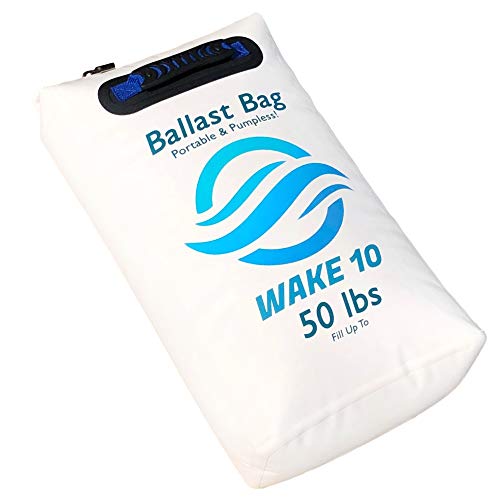
Best for: quickly dialing in the perfect wave with a pumpless design that fills by water flow. This bag is ideal for boaters who want a straightforward fill process and the ability to place ballast in under-seat or bow locations without needing a pump.
Selected for: modular wake tuning on days when you want to adjust the wake without extra equipment or downtime. The bag’s compact footprint helps fit into smaller spaces while still delivering meaningful ballast when full.
Caution: The fill rate depends on water flow; during calmer conditions, reaching full ballast may take longer than expected. Plan ahead for on-water tuning to avoid delays.
Roto Metals Ballast (45 Lb) Steel Shot

Best for: budget-conscious buyers seeking a compact ballast weight with steel shot. The listing emphasizes affordability and assumes a ready-to-use 45 lb weight bag suitable for wakesurfing and related activities.
Selected for: cost-effective ballast weight when replacements or additional bags are needed without changing the overall ballast strategy. Useful as an additional ballast piece in a larger setup.
Caution: This option is described with limited detail beyond “Cheap Ballast Weight”; verify compatibility with your boat’s ballast compartments and balance strategy before purchasing.
Buying Guide
- Material choice: Steel shot is a common non-lead alternative offering dense, moldable ballast with lower toxicity concerns. Lead ballast bags are traditional but pose health and environmental considerations; opt for steel when possible.
- Weight and capacity: Determine how much ballast you need based on boat size, wake target, and storage. Start with 25–50 lb bags for flexibility; pair multiple bags if you need finer control over wake shape.
- Storage and space: Consider bags that compress or store flat when empty. Water-filled options save space but require water sources and placement planning on the boat.
- Ease of use: Padded handles, durable stitching, and pump-free or simple-filling methods save time on the water. Look for bags with UV-resistant stitching and durable fabrics for long life.
- Placement strategy: Use compact ballast in corners, nose, or bow areas to achieve precise weight distribution. Darker, heavier bags may be placed out of sight in storage compartments for a cleaner deck layout.
- Safety and maintenance: Ensure bags are secured with ropes, straps, or built-in anchors to prevent movement. Inspect for wear, leaks, or stitching failures before each outing.
Frequently Asked Questions
- What is the difference between lead and steel ballast bags? Lead bags are heavier per bag and have a long history in ballast use, but steel shot bags reduce exposure risk and offer similar density with adjustable distribution.
- How many ballast bags should I use? It depends on boat size, wake goals, and space. Start with one or two bags and add more as needed to achieve the desired wake shape.
- Are water-filled ballast bags easier to handle? Water ballast is often easier to fill and drain and can store flat when empty, but it adds weight that shifts with water movement.
- Can ballast placement affect boat performance beyond wake quality? Yes. Proper weight distribution can improve handling, trim, and stability, particularly in small or mid-size boats.
- Do ballast bags require ventilation or special care? Generally no, but inspect for wear and ensure no sharp edges damage fabric. Avoid overfilling and secure bags to prevent movement during operation.
- What safety considerations are there for on-water ballast use? Always adhere to local regulations, avoid placing bags where they interfere with steering or engine intakes, and ensure bags are securely fastened when underway.