Best Kayak Roof Rack Load Assist for Easy Loading and Safer Transport
Looking for a load-assist solution to lift and stack your kayak onto a roof rack without straining your back? This guide highlights five top options that improve loading efficiency, stability, and security. Each choice is suited for different vehicle types and loading needs, from casual weekend paddlers to frequent transporters. Read on to compare capabilities, installation notes, and practical trade-offs before you buy.
| Product | Best For | Capacity |
|---|---|---|
| Apaspoil Kayak Roller — Suction Alert & Triangle Base | Most cars with suction-mount setups; wide kayaks | Up to 280 lbs |
| Codinter Kayak Roller — Heavy-Duty Suction | Vehicles needing flexible angle adjustment | Up to 220 lbs |
| HLOGREE Kayak Load Roller — Red Line Safety | Two-suction system with strong hull protection | Up to 150 lbs |
| Malone SeaWing / Stinger Combo | Integrated saddle-and-stinger system for single kayak | Up to 75 lbs per kayak |
| Thule Hullavator Pro | Waist-height loading with gas-assisted lift | 40 lbs lift assistance per kayak |
Apaspoil Kayak Roller With Suction Alert

Best for: Drivers seeking a sturdy suction-based loader that adapts to curved rear windows and supports larger kayaks. The triangular base enhances stability and the suction alert helps verify vacuum status during installation and loading. Choose this if your vehicle has curved rear glass and you want a clear suction indicator for safer setup.
Why selected: Features a heavy-duty suction cup system with a triangular tripod-style base, designed to maximize grip and reduce wobble. It accommodates different kayak widths and shapes while maintaining simple, tool-free installation.
Limitations: The product relies on suction mounting; it may not suit all window geometries, and performance can vary with weather and surface cleanliness. Always check compatibility with your window and roof rack layout before purchase.
Codinter Kayak Roller Load Assist

Best for: Car owners with sedans or SUVs where rear window curvature varies; the model emphasizes automatic fit to glass angle and robust metal-and-suction construction for reliable 220-pound capacity. Ideal for frequent loading of mid-sized kayaks.
Why selected: Addresses variable rear window angles with a self-adjusting suction design and a rotating foam pad to protect the hull during loading, making it a practical choice for a wide range of kayaks and vehicles.
Limitations: Not recommended for vertical rear windows. Ensure the suction cups have a clean, dry surface for best grip, and verify your vehicle’s compatibility with the suction system.
HLOGREE Kayak Load Roller

Best for: Shoppers who want a clear safety indicator and a dual-suction setup for added stability. This model emphasizes a red-line vacuum indicator and a load rating suited for many recreational kayaks.
Why selected: The red line indicator provides a straightforward visual cue about suction safety, and two heavy-duty suction cups paired with aluminum bars deliver reliable support for up to 150 lbs, with hull protection through foam padding.
Limitations: The 150-lb rating may be limiting for heavier or wider kayaks; verify your kayak weight and width to ensure compatibility with the load roller’s capacity.
Malone SeaWing / Stinger Combo Saddle Style
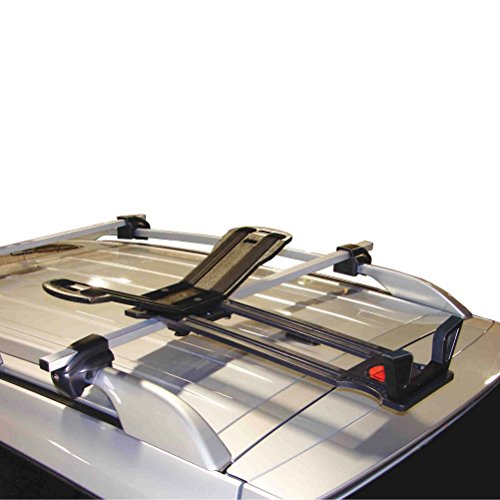
Best for: Paddlers who want a compact saddle-and-stinger system that secures a single kayak up to 75 lbs and up to 32″ wide. This option is suitable for small to mid-sized kayaks and straightforward mounting on many racks.
Why selected: Combines SeaWing alloy saddles with a Stinger self-aligning V-Block, enabling easier alignment during loading and improved hull protection. The system is efficient for solo loading and minimizes lifting effort.
Limitations: May not be ideal for very wide or heavy kayaks beyond 75 lbs per kayak; consider multiple carriers for larger loads or longer trips.
Thule Hullavator Pro — Lift-Assisted

Best for: Users seeking waist-height loading with gas-assisted lift and extended reach. The Hullavator Pro is aimed at frequent kayakers who want maximum ergonomic benefit during loading and unloading.
Why selected: Gas-assisted struts can lift up to 40 lbs of kayak weight, reducing physical strain. Double extending arms enable lowering the kayak up to three feet, and padded touch points help protect the boat.
Limitations: Higher complexity and potential installation considerations; ensure compatibility with your roof rack system and vehicle height before purchase.
Buying Guide: How to Choose the Right Kayak Load-Assist
- Vehicle compatibility: Check roof rack crossbar width, extension capability, and window or surface type for suction mounts. Some units require extended crossbars or adapters for fixed setups.
- Load capacity: Match the system rating to your kayak weight and width. Overloading can reduce stability and damage racks.
- Mounting method: Suction cups work well on many cars but depend on surface cleanliness and window geometry. Saddle or tripod bases provide added stability for heavier kayaks.
- Load assistance level: Consider gas-assisted or auto-lift features if you frequently load solo. These reduce back strain but may come with higher cost and installation considerations.
- Hull protection: Look for foam padding or protective saddles that minimize hull scratches during loading and transport.
- Installation and maintenance: Simple, tool-free options are convenient, while more complex systems may require periodic checks for suction integrity or mechanical tightness.
- Safety indicators: Features like suction indicators or locking mechanisms help ensure a secure hold during transport.
FAQ
- What is a kayak load-assist and who should use it? It is a device that helps lift, secure, and load a kayak onto a roof rack. It is useful for solo paddlers, people with back or shoulder concerns, and anyone transporting kayaks regularly.
- Can I use suction-based load assists on any car? Suction mounts work on many vehicles but depend on window curvature and cleanliness. Check the window material and surface area before buying.
- Is there a weight limit I should respect? Yes. Always verify the specific product’s load rating and ensure it matches your kayak’s weight and dimensions to avoid instability.
- Do load-assist systems require tools to install? Some do; others are tool-free. Your choice should align with how often you install or remove the system.
- What maintenance do these systems require? Regularly inspect suction cups, bolts, and folding arms. Clean surfaces before use and replace worn pads or seals as needed.
- Are these compatible with Thule or Malone roof racks? Many are designed to be compatible, but always confirm compatibility with your specific roof rack model and vehicle height.