Best Jet Ski Gas Tank Options for Safe on-Water Refueling
Answering the common question, these jet ski gas tank options prioritize portability, safety, and fuel capacity for on-water refueling. The best fits vary by buyer: casual riders benefit from smaller, lightweight tanks; weekend boaters may prefer larger capacity units with easy transfer; and anglers or long days on the water might value rugged construction and stability. Below are five top choices with clear pros and drawbacks to help you compare quickly. A summary table of the selected products follows the introduction.
| Product | Best For |
|---|---|
| Sea Doo LinQ Stackable Fuel Caddy 3.8 Gal. (14.5L) 295100950 | Sea-Doo owners needing LinQ compatibility and stackability |
| Sea-Doo OEM , 295100950-1 | Direct replacement for Sea-Doo setups |
| Scepter Flo ’N Go 14 Gallon Gas Caddy | Large capacity, versatile fuel transfer |
| AloneGoer 3 Gallon Portable Boat Fuel Tank | Compact, portable, Yamaha connector compatible |
| Scepter 6 Gallon Portable Marine Gas Can | Under-seat storage with built-in gauge |
Sea Doo Linq Stackable Fuel Caddy 3.8 Gal. (14.5L)

Best for Sea-Doo owners who use LinQ accessories. This caddy is designed for easy pouring and holds 4 US gallons (15 L). It is specifically compatible with LinQ bags for stacking additional storage. The unit is light enough for quick transfers, and its stackable design helps maintain organization on a busy craft. Caution: ensure proper compatibility with your LinQ system to avoid fitting issues on non-Sea-Doo platforms.
Sea-Doo OEM 295100950-1
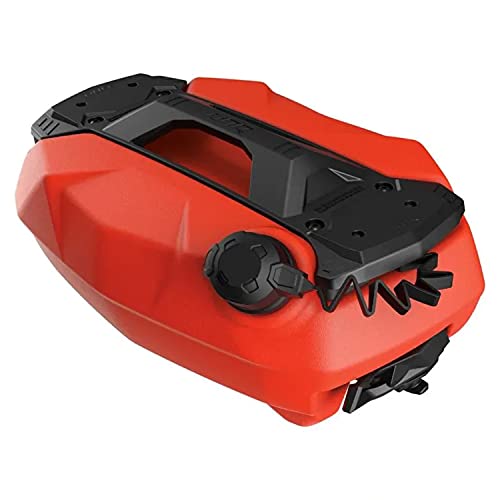
This is the manufacturer-recommended option for Sea-Doo setups. It shares the same easy-pour design and 4 US gallon (15 L) capacity as the LinQ caddy, making it a straightforward swap for owners seeking OEM compatibility. Best for Sea-Doo users who want seamless integration with stock accessories. Limitation: availability may be tied to Sea-Doo branding; check compatibility with your exact model before purchase.
Scepter Flo ’N Go 14 Gallon Gas Caddy

Best for multi-use fueling needs beyond jet skis. This 14-gallon caddy rolls on rugged wheels and includes two fueling modes: gravity flow and manual pump. Made of high-density polyethylene, it resists corrosion and denting. Best for beach days, docks, and longer trips where fuel demand is high. Caution: heavier than smaller tanks, so maneuverability matters on smaller craft or crowded docks.
AloneGoer 3 Gallon Portable Boat Fuel Tank
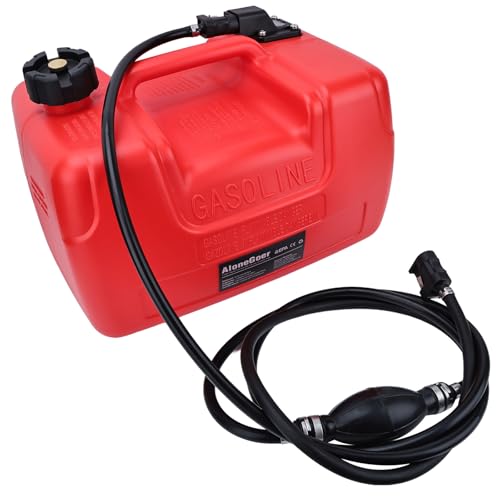
Best for Yamaha outboard users and small boats. This 12L/3 gallon tank uses multi-layer barrier technology to reduce fuel evaporation and is EVOK-stabilized for marine environments. It includes a marine fuel line connector hose and is designed for use with Yamaha connectors. Choose this if you need a compact, durable spare fuel tank for saltwater or freshwater boating. Limitation: designed primarily for outboards; verify hose and connector compatibility with your motor.
Scepter 6 Gallon Portable Marine Gas Can

Best for under-seat storage in boats with higher fuel needs. The 6-gallon design offers ample capacity with a built-in fuel gauge and a 2-way vented cap to manage vapor pressure during refueling. It supports diesel and ethanol-blended fuels and includes a built-in pickup. Consider this option if you require quick access and a visible fuel level. Limitation: taller profile may affect storage on smaller boats or under-seat spaces.
Buying Guide
- What capacity do you need? Smaller jet skis benefit from 3–4 gallon options, while longer days or multi-vehicle trips may justify 6–14+ gallon caddies for fewer refueling stops.
- Compatibility and fittings Dependent on your model, ensure that connectors and hoses match your engine or fuel system. OEM options often guarantee compatibility for specific brands.
- Portability vs. stability Lighter tanks are easier to carry, but larger tanks may require wheels or dockside placement. Consider storage space on your craft and at the dock.
- Fuel type and safety Verify fuel type compatibility (gasoline, diesel, ethanol blends) and look for venting features to prevent vapor buildup.
- Materials and durability HDPE and multi-layer composites resist corrosion and fuel permeation, supporting longer life in marine environments.
- Ease of use Pouring design, built-in gauges, and transfer pumps reduce spill risk and help monitor fuel levels quickly on the water.
- Maintenance and storage Check for UV stabilization and corrosion resistance, especially if you store the tank uncovered or in salty conditions.
FAQ
- Can I use a standard gasoline can for a jet ski? Yes, but ensure it has a compatible venting cap and proper fit for your fuel line; marine-grade cans are usually designed to minimize spills on water.
- What is the best capacity for weekend riders? A 4–6 gallon tank balances range with portability for most weekend use scenarios.
- Do these tanks fit Yamaha or Sea-Doo models? Some tanks are model-specific or OEM, offering explicit compatibility. Verify connectors and fittings before purchase.
- Are vented caps necessary? Vented caps help prevent vapor buildup and pressure-related spills during refueling on the water.
- Is it better to buy a larger caddy with wheels? Wheels improve maneuverability at docks or on uneven surfaces, but may add weight and cost. Choose based on dock layout and transport needs.
- Should I refill on the water or at the dock? Refilling at the dock reduces spill risk and exposure to waves; carry a smaller container for on-water refueling if needed.