Best Hydrofoil Stabilizers for Boat Motors: Top Picks and Buying Guide
In the market for hydrofoil stabilizers, the best options improve planing speed, stability, and fuel efficiency for a wide range of outboard and sterndrive engines. This selection focuses on popular, widely compatible models suited to boats from small runs to larger wakes. Ideal buyers include casual weekend boaters seeking smoother rides, saltwater anglers needing steadier handling, and performance-minded skippers aiming for quicker on-plane starts. The five featured products balance durability, ease of installation, and performance benefits across 5–150 HP to 40–300 HP ranges.
| Product | Horsepower Range | Best For | Notes |
|---|---|---|---|
| QuickMarine Boat Hydrofoil Stabilizer | 5–150 HP | Casual to mid-range outboards | PA66 plastic, UV resistant; Doel Fin style |
| Stingray Classic Senior 2 | 40–300 HP | Risers to higher speeds | No-drill design; heavy-duty lift |
| Universal Whale Tail Hydrofoil Stabilizer Fin Kit | 5–150 HP | Budget-friendly general use | Classic black; balanced stability |
| Doel-Fin Hydrofoil Stabilizer | 5–150 HP | Wide compatibility | PA66; planing improvement |
| Hydro-Shield Skeg-Mounted Shield | 8–115 HP | Protective and stable | 4 sizes; prop and skeg protection |
QuickMarine Hydrofoil Stabilizer For 5–150 HP
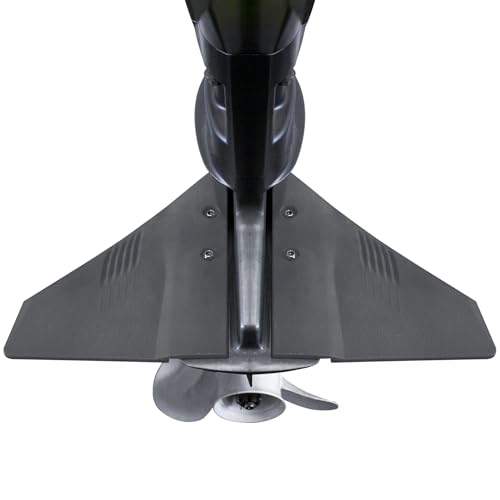
This Doel Fin Style hydrofoil stabilizer fits most Yamaha, Mercury, Honda, Suzuki, and Tohatsu outboards and stern drives up to 150 HP. It is crafted from UV-resistant reinforced PA66 plastic and is noted for easy installation. The design aims to save fuel, reduce cavitation, and deliver a smoother, safer ride by increasing lift and stabilizing the stern during acceleration and rough-water conditions.
Best for: Budget-conscious boaters with mid-range engines who want a straightforward, durable stabilizer without drilling requirements. Limitations: May be less effective at very high speeds or on boats with unusual hulls; verify fit for your specific model.
StingRay Classic Senior 2 Hydrofoils

This model is designed for 40–300 HP engines and is billed as a no-drill, single-piece stabilizer that provides increased engine lift. StingRay’s Classic Senior 2 is positioned as a reliable upgrade to improve planing speed, reduce cavitation, and minimize chine-walking and porpoising. Available in multiple colors to match boat aesthetics.
Best for: Planing boats in the 40–300 HP range that want strong lift without modifying the hull. Limitations: Heavier prop lift might alter handling on very small or delicate hulls; confirm compatibility with your setup.
Universal Whale Tail Hydrofoil Stabilizer Fin Kit
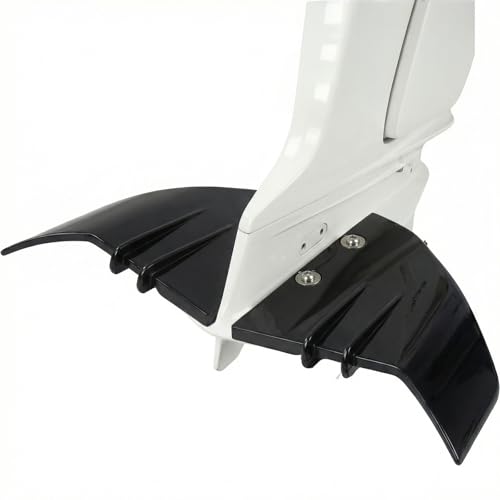
Designed for 5–150 HP outboard motors and stern drives, this kit emphasizes a precise fit with dimensions of about 7.5″ by 7″. It focuses on enhancing stability, reducing front-end lift during acceleration, and smoothing rides over wakes. The kit is marketed as a straightforward upgrade for better control and comfort on the water.
Best for: Everyday boaters seeking a simple, reliable stabilization upgrade. Limitations: As a universal fit, it may require careful measurement to ensure exact compatibility with your model.
Doel-Fin Hydrofoil Stabilizer For 5–150 HP

This Doel-Fin stabilizer fits 5–150 HP outboards and sterndrives, excluding Volvo Penta outdrives. It measures about 10.25″ by 8.25″ and is positioned to improve planing by raising the stern faster, thereby enhancing stability and handling on a wide range of boats.
Best for: Boaters needing a proven planing boost across multiple engine types. Limitations: Specific outdrive exclusions mean verify compatibility with your model before purchase.
Hydro-Shield Skeg-Mounted Hydrofoil
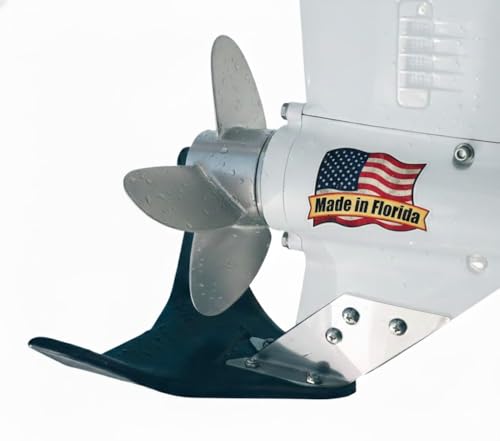
The Hydro-Shield family offers R35 compatibility for outboards ranging from 25–115 HP and is available in four sizes. It aims to accelerate planing, maintain plane at lower speeds, and improve helm control while providing skeg protection for propellers and lower units. The mounting bracket adds structural support for marine use.
Best for: Small-to-mid horsepower boats needing improved fuel economy and added protection. Limitations: Check the exact size required for your boat and motor combination to ensure proper fit.
Stingray Starfire No-Drill Hydrofoil

The Starfire model is StingRay’s no-drill first-generation hydrofoil, designed for 40–300 HP engines. It emphasizes increased engine lift and top speed with a style noted for sunlit aesthetics. The design targets rapid acceleration and reduced engine strain for improved fuel efficiency at common cruising speeds.
Best for: Boaters seeking a no-drill installation with strong lift characteristics. Limitations: No-drill installation may not be compatible with all hull configurations or pre-existing gear setups.
Buying Guide: Key Considerations For Choosing A Hydrofoil Stabilizer
Compatibility matters most. Confirm horsepower range, engine type (outboard or sterndrive), and your boat’s hull performance characteristics before purchasing. If you frequently run at lower RPM, prioritize stabilizers known to improve planing at slow speeds.
What’s the right horsepower range?
Choose a stabilizer that covers your engine’s HP at minimum and ideally spans up to the higher end of your typical range. A broader HP range provides flexibility across seasons and changes in hull load.
Material and durability
UV-resistant plastics like PA66 are common for longevity in sun-exposed environments. Heavier constructions often deliver better stable lift but may add weight and affect handling in small boats.
Installation and hull impact
No-drill options save time and reduce hull modification risk. However, some installations may require brackets or specific mounting provisions. Always follow manufacturer guidelines for mounting angles and clearances to avoid prop or skeg interference.
Performance expectations
Hydrofoils aim to reduce cavitation, stabilize at planing speed, and improve fuel economy by reducing drag and engine strain. Expect noticeable differences in rough water performance and a steadier feel in chop, especially during acceleration and at mid-range speeds.
Budget and reliability
Price often correlates with build quality and design sophistication. Durable materials and well-engineered lift profiles tend to deliver better long-term stability, but select based on your usage pattern and maintenance expectations.
Maintenance and replacement
Inspect mounting brackets and fins regularly for cracks or looseness. UV exposure, impact from debris, and docking can require timely replacement parts to maintain performance.
FAQ
- Do hydrofoil stabilizers really improve fuel economy? They can reduce drag and improve planing efficiency, especially at lower RPMs, potentially lowering fuel usage during steady cruising.
- Can I install any hydrofoil on any boat? Most are designed for a broad horsepower range, but always verify compatibility with your engine type, hull, and drive configuration.
- Are no-drill options as effective as drilled installations? No-drill options offer easier installation, but some drilled systems may yield higher lift for certain hulls; assess your needs.
- Will a hydrofoil affect steering or trim? Some models primarily influence lift and stability; rare cases may modify handling slightly at very high speeds.
- What maintenance is required? Regular visual checks for cracks and secure mounting; clean off salt and debris; replace worn brackets as needed.
- Which model is best for small boats? For 5–150 HP, universal or compact designs with easy mounting are typically best for smaller crafts.
Buying the right hydrofoil stabilizer depends on engine range, mounting compatibility, and the type of ride you want. The options above provide a spectrum from budget-friendly to high-lift solutions, with clear indications of who each product is best for and why it’s chosen for that use case.