Best GPS Locator for Boats and Boating Safety
Finding the right GPS locator for your boat enhances safety, navigation, and emergency readiness on the water. This guide highlights reliable beacons and navigation devices designed for boating, ranging from personal locator beacons to marine rescue devices and GPS-enabled fish finders. Each option helps you monitor location, communicate distress signals, and stay oriented while cruising, fishing, or docking offshore.
| Product | Brand | Key Features |
|---|---|---|
| ACR ResQLink 400 | ACR | 406 MHz distress signals, GPS, no subscription, LED/Infrared strobe |
| ACR ResQLink View | ACR | Digital display, GPS, Return Link Service, no subscription |
| ACR ResQLink View Buoyant | ACR | Buoyant PLB, GPS, no subscription, SOS with GPS position |
| Nautilus LifeLine Marine Rescue nexGen | Nautilus Lifeline | Worldwide operation, GPS position to 1 meter, Distress Alert |
| Garmin Striker 4 with Transducer | Garmin | GPS/CHIRP sonar, 3.5″ display, waypoint navigation, IPX7 |
Note: The products listed are chosen for their reliable GPS capabilities, clarity of distress signaling, and suitability for boating environments. This article presents an objective overview based on listed features to help readers compare options for personal safety and marine navigation.
ACR ResQLink 400: SOS Personal Locator Beacon

The ACR ResQLink 400 provides global SOS coverage via 406 MHz distress and homing signals, designed for fast rescue dispatch. It operates with no ongoing subscription and includes GPS to help rescuers locate you quickly. An LED strobe and infrared strobe enhance visibility in low-light conditions, increasing chances of a successful rescue in remote or stormy environments. This model emphasizes straightforward activation and reliable, subscription-free operation for outdoor emergencies on the water.
ACR ResQLink View RLS: Digital Display SOS Beacon

The ResQLink View RLS adds a digital display and Return Link Service, confirming that emergency alerts have been received. Like other ResQLink devices, it delivers global GPS coverage to guide search and rescue teams. It requires no subscription and is designed for portability across outdoor activities, including boating. The display provides quick visibility of status and location data during emergencies, aiding coordination with responders on the scene.
ACR ResQLink View Buoyant: Buoyant GPS Beacon
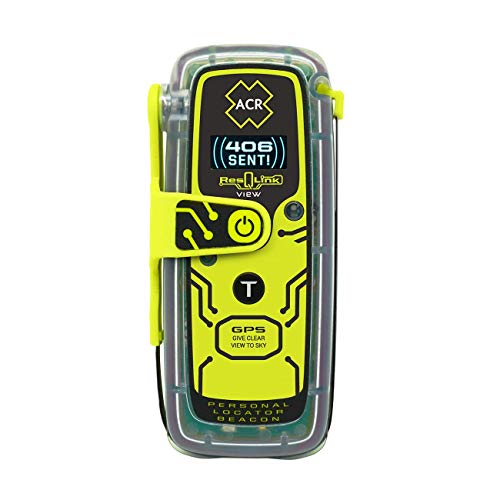
This buoyant personal locator beacon offers GPS-transmitted distress signaling with no subscription. Its buoyant design makes it suitable for boats, tenders, and water-based activities, ensuring it remains afloat even if dropped overboard. The device emphasizes long-term reliability and a straightforward user experience for immediate distress signaling and rapid localization by rescue authorities.
Nautilus LifeLine Marine Rescue nexGen

The Nautilus LifeLine nexGen provides a Distress Alert and GPS position data, designed for worldwide operation with emphasis on marine rescue scenarios. It offers authoritative, meter-level GPS accuracy supported by a dedicated distress signaling system. Users should verify regional availability and device compatibility in their boating area, especially where service coverage may vary. The nexGen prioritizes reliable, straightforward distress transmission to rescue services on the water.
Garmin Striker 4 with Transducer

The Garmin Striker 4 combines GPS functionality with a CHIRP sonar fish finder, offering clear underwater images and waypoint navigation. While primarily a fishing aid, its GPS features help boaters mark safe harbors, docks, and shallow-water hazards. It provides a compact interface, easy installation, and IPX7 water resistance, supporting reliable operation in marine environments. The device suits boaters who want integrated navigation and sounder capabilities in a single unit.
Buying Guide: Key Purchase Considerations For Boat GPS Locators
When selecting a GPS locator or beacon for boating, several factors determine long-term value and reliability across water conditions, weather, and emergency scenarios.
- Purpose and coverage: Personal locator beacons (PLBs) with 406 MHz distress signaling and GPS positioning are ideal for emergencies, while marine GPS devices and fish finders help with navigation and fishing. Ensure the device provides global coverage or regional compatibility based on your boating area.
- GPS accuracy and signaling: Look for GPS accuracy (meters) and the strength of distress signaling (911-style alerts, homing signals). Return Link Service (RLS) adds confirmation that your message was received, which can be critical in emergencies.
- Subscription and fees: Many PLBs require no ongoing subscription, but some enhanced features (like SMS messaging or testing services) may rely on optional subscriptions. Consider total cost of ownership over several years.
- Durability and water resistance: For boating, choose devices with water resistance ratings (IPX7 or higher) and rugged construction. Buoyant designs help prevent loss if dropped overboard.
- Power and life expectancy: Battery life varies widely. Check standby versus operational life, especially for longer trips or remote expeditions. Some devices offer long-life batteries (multi-year shelf life) and rechargeable options.
- Ease of use and visibility: In emergencies, simple activation and clear indicators are essential. Visual (LED/Infrared strobes) and readable displays help responders locate you quickly.
- Compatibility and accessories: Attachment options (belt clips, straps, lanyards) and mounting versatility for boats or life jackets improve accessibility during emergencies and daily use.
- Integration with other gear: For boaters using multiple devices, ensure cross-compatibility and redundancy. A mix of PLBs and GPS fish finders can cover both safety signaling and navigation needs.
- Regional availability: Some devices may have country-specific requirements, such as licensing, testing, or service limitations. Check local regulations and service coverage before purchasing.
These considerations help balance safety guarantees with practical navigation and fishing needs. Users should assess typical voyage lengths, water conditions, and the likelihood of needing emergency signaling when choosing between a dedicated PLB and a multifunctional marine GPS device.