Best Gel Batteries for Boats: Reliable 12V Power for Marine Use
Gel batteries are a solid choice for boat owners seeking maintenance-free, spill-resistant marine power. This guide highlights five top gel or gel-augmented deep-cycle options, each chosen for reliability, temperature tolerance, and long-term performance. Best for: weekend boaters needing easy maintenance and steady power, long-range sailors requiring durable cold-weather performance, and RV or cabin setups that double as marine power sources.
The following quick comparison helps identify which model fits your needs. For quick reference, the chosen products are listed with purpose, capacity, and key strengths.
| Product | Capacity | Best For |
|---|---|---|
| Mighty Max Battery ML35-12 Gel | 12V 35Ah | compact boats, small electronics, trolling motors |
| UPLUS 12V 100Ah Deep Cycle Hybrid | 12V 100Ah | larger systems, solar, RVs |
| Mighty Max Battery ML75-12 Gel | 12V 75Ah | mid-size boats, longer weekend trips |
| ExpertPower Deep Cycle Gel Battery | 12V 200Ah | off-grid setups, high-demand systems |
| Mighty Max Battery ML100-12 Gel | 12V 100Ah | marine banks, backups, trolling motors |
Mighty Max ML35-12 Gel 12V 35Ah Battery

Capacity and type: 12V, 35Ah, GEL rechargeable, maintenance-free. The Gel chemistry helps reduce self-discharge compared with some AGM options, supporting longer storage between outings. Best for compact electronics on smaller boats, trolling motors, or auxiliary power where space is limited.
Why chosen: Gel chemistry delivers steady output with lower risk of leaks or spills, which is advantageous for tight bilge spaces. Temperature stability supports year-round use in varied climates.
Best for: boaters who need a compact, maintenance-free power source for accessories or small motors, especially where spill resistance matters. Limitation: lower capacity means more frequent recharging for larger systems.
UPLUS 100Ah Hybrid Gel/AGM 12V Battery

Capacity and type: 12V, 100Ah, maintenance-free, expressly designed as a Hybrid Gel-AGM option with valve-regulated technology. Suited for solar-powered boats, RV-style marine setups, or longer cruising days where higher storage is needed and charging sources are available.
Why chosen: High capacity supports longer runs between charges; true maintenance-free design reduces upkeep aboard. The two-year warranty guidance (per product listing) and safe handling features make it a practical upgrade for systems that demand reliable day-to-day power. Limitation: depth of discharge guidelines note 80% DOD, which is typical for AGM-like batteries but higher usage requires thoughtful charging management.
Mighty Max ML75-12 Gel Replacement Battery

Capacity and type: 12V, 75Ah GEL, maintenance-free, UL Certified. This model offers a balance of weight, size, and runtime for mid-sized boats or longer trips where more energy is needed than a 35Ah model can provide.
Why chosen: Gel chemistry delivers robust performance in extremes, which is important for boats operating across seasons. The larger capacity reduces the frequency of recharges and helps power more demanding equipment. Limitation: heavier than smaller gel batteries, which can affect mounting and space planning.
ExpertPower Deep Cycle Gel Battery 200Ah
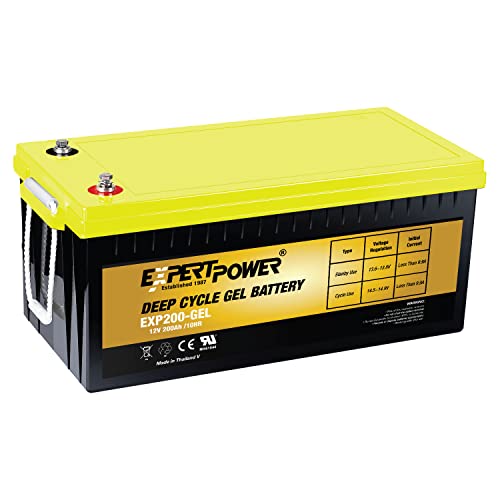
Capacity and type: 12V, 200Ah, deep-cycle gel battery. Designed for solar panel systems, RVs, trolling motors, and marine applications with high energy demands.
Why chosen: The high capacity makes it suitable for boats with significant electrical loads or full off-grid configurations. Gel chemistry supports safer operation in confined spaces aboard. Limitation: heavier and larger; ensure proper mounting clearance and charger compatibility for large arrays.
Mighty Max ML100-12 Gel Replacement Battery

Capacity and type: 12V, 100Ah GEL, maintenance-free, UL Certified. A robust option for mid-to-large marine electrical banks requiring reliable, long-lasting power and easy maintenance.
Why chosen: High capacity supports longer cruising sessions, larger trolling motors, and onboard electronics without frequent recharging. Best for: boats with bigger electrical systems or those seeking a long-term gel solution. Limitation: size and weight require careful installation planning.
Buying Guide: Gel Batteries For Boats
- Capacity vs. space: Larger Ah ratings deliver longer runtimes but require more space. Match capacity to your typical daily draw and available mounting area.
- Maintenance and safety: Gel batteries are maintenance-free and spill-proof, making them ideal for tight bilge spaces. Confirm that venting is adequate for your vessel and that you have proper charging equipment.
- Charger compatibility: Use chargers designed for gel/VRLA or AGM batteries. Overcharging or high voltage can shorten life; use recommended charging rates (often 0.2C to 0.25C for gel cells).
- Temperature considerations: Gel batteries perform well in a wide temperature range but extreme heat or cold can impact performance. Ensure proper ventilation and insulation as needed for long storage periods.
- Depth of discharge: Gel batteries typically benefit from shallower discharges to extend life. Plan to recharge before reaching very low levels to maximize cycle life.
- Weight and installation: Heavier options may require reinforced mounting and additional support. Check the vehicle or boat’s weight distribution and available mounting points.
- Reliability and safety: Look for UL or other certifications when available. In marine environments, corrosion resistance and sealed construction reduce risk of leaks and damage.
Frequently Asked Questions
- What is a gel battery and why choose it for boats?
Gel batteries use a silica-based electrolyte, reducing spill risk and self-discharge. They’re a good fit for boats due to maintenance-free operation and better performance in diverse temperatures. - Are gel batteries suitable for trolling motors?
Yes, gel batteries can power trolling motors, especially when you need maintenance-free operation and safer storage in confined spaces. - Do gel batteries require special chargers?
Yes, use chargers designed for gel/VRLA chemistry to avoid overcharging and extend life. - How do I determine the right Ah rating for my boat?
Calculate your daily electrical draw, multiply by the number of days between charges, and add buffer for peak loads. This informs the appropriate Ah rating. - Can I mix different gel batteries in the same bank?
It’s best to use identical batteries in a bank for consistent performance; mixing different chemistries or capacities can cause imbalance and reduce lifespan. - What maintenance is needed with gel marine batteries?
Gel batteries are maintenance-free; periodic inspection of terminals and ensuring proper charging conditions is usually sufficient.