Best Fogging Oil for Boats: Protect Your Engine During Off-Season Storage
Fogging oil helps protect outboard and other small marine engines during winter or off-season storage. The top picks below are best for different buyers—seasonal boat owners, those who store multiple engines, and DIY enthusiasts who want simple, reliable protection. Each product coats internal components, displaces moisture, and lubricates to prevent corrosion and startup damage. The following summaries include who benefits most and practical cautions.
| Product | Best For | Key Benefit |
|---|---|---|
| STA-BIL Fogging Oil (22001) | Single-engine storage | Coats components, displaces moisture, lubricates cylinders |
| Quicksilver Storage Seal Fogging Oil | All engines during long storage | Heavy, protective barrier against rust |
| FOGGIT High Performance Fogging Oil | Rust-prone environments | Unique formula protects cylinder walls from surface rust |
| STAR BRITE Deep Penetrating Fogging Oil | Versatile storage across gear | Maximum rust protection and easy startup after storage |
| Yamaha Yamalube Engine Fogging Oil | OEM-backed reliability | Yamaha-recommended storage solution for 2- and 4-stroke motors |
Summary: The best fogging oil for boats varies by use. If you want a proven, general-purpose option for a single engine, STA-BIL Fogging Oil is a solid choice. For multi-engine setups or assorted equipment, STAR BRITE and Quicksilver offer broad protection. FOGGIT delivers a specialized formula for rust-prone storage, while Yamaha Yamalube provides OEM-backed reassurance for Yamaha engines.
STA-BIL Fogging Oil 12 oz

Features: Coats internal engine components to prevent corrosion, displaces moisture from metal to protect engine, lubricates cylinders to prevent cylinder damage (scuffing) at start up.
Best for: Individual boat owners with a single stored engine who want a straightforward, trusted fogging oil. This product is well-suited for those who prioritize easy application and reliable protection against moisture-related corrosion. Caution: It may require separate fuel storage or additional winterization steps for certain engine configurations.
Quicksilver Storage Seal Engine Fogging Oil
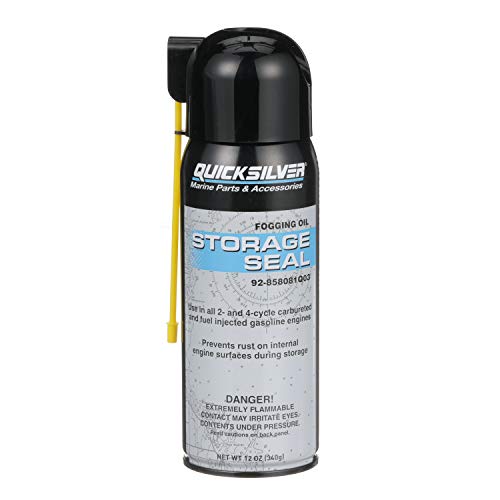
Features: Heavy, sticky spray forms a protective barrier to prevent rust on internal metal surfaces; keeps cylinders lubricated to prevent startup damage after storage; suitable for multiple engine types, including boats, cars, motorcycles, lawn equipment.
Best for: Owners who store several engines or equipment and want a robust barrier against rust. Use this for off-season storage across different machinery. Caution: The heavy formulation may require thorough spraying and ventilation during application and can be more challenging to remove before regular operation.
FOGGIT High Performance Fogging Oil Cylinder Lube

Features: Coats internal components to prevent surface rust, unique formula protects cylinder walls from rust damage, provides lubrication for smooth startup after storage.
Best for: Marine and off-season storage users in environments prone to rapid rust formation. Choose this if rust prevention is a primary concern and you want a formula aimed at preserving cylinder walls. Caution: Availability and pricing vary; check compatibility with your engine type to avoid over-application in tight spaces.
STAR BRITE Deep Penetrating Fogging Oil

Features: Maximum rust and corrosion protection for long-term storage; aids quick startup after inactivity; versatile application for marine engines, lawn equipment, snowmobiles, ATVs, and more.
Best for: Users seeking strong, long-term protection across multiple devices and seasons. This is a strong all-around option for those maintaining a mixed fleet. Caution: May be more expensive than basic options; verify storage duration expectations for your engine model.
Yamaha Yamalube Engine Fogging Oil Spray

Features: Yamaha Original OEM Yamalube fogging spray; 12-ounce can; recommended storage solution for 2- and 4-stroke outboard motors.
Best for: Owners with Yamaha engines who want OEM-approved storage protection and assurance of compatibility with Yamaha components. Caution: May be optimized for Yamaha devices; compatibility with non-Yamaha engines should be confirmed prior to use.
Buying Guide
What should you look for when choosing fogging oil for boats? The key factors below help match products to engine type, storage duration, and environment.
- Engine type compatibility: Most fogging oils work with 2- and 4-stroke engines, but check your engine’s requirements and whether a product is recommended for outboards, sterndrives, or other configurations.
- Storage duration: Long-term storage benefits are strongest in products designed for extended inactivity. Consider the expected storage period when selecting a formula.
- Protection level: Some oils emphasize moisture displacement, others add heavy rust barriers. For metal-dense or coastal environments, prioritize corrosion protection.
- Ease of use: Sprays with fine mist or easy-dispense caps facilitate uniform coating. Heavy formulations may require more cleanup but can provide deeper protection.
- Versatility: If you store multiple engines or equipment, a multi-application product can simplify shelf space and usage.
- OEM recommendations: When possible, use OEM-backed products for specific brands to ensure compatibility and intended performance.
Practical Tips for Using Fogging Oil
- Follow the manufacturer’s instructions for application volume and method. Over-application can create residue or affect starting.
- Apply in a well-ventilated area and allow the engine to cool before spraying.
- Combine fogging with other winterization steps, such as fuel stabilizers and full engine shutdown procedures, as recommended by the engine maker.
FAQ
- What is fogging oil used for? It protects internal engine components from moisture, rust, and corrosion during storage and helps prevent damage on startup after long periods of inactivity.
- Can I use any fogging oil on any engine? Most are suitable for 2- and 4-stroke engines, including outboards and stern drives. Always verify compatibility with your specific engine model.
- How long can fogging oil protect an engine? Protection duration depends on the formula and storage conditions. Some products are designed for long-term storage, while others are intended for shorter periods.
- Should I use fogging oil if I store equipment other than boats? Yes, some products are versatile and protect various equipment that uses metal components prone to rust during storage.
- Is OEM fogging oil better than generic options? OEM products align with a manufacturer’s specifications and can be a safer choice for brand-specific engines, but many high-quality generic options perform well across a range of engines.
- Do I need to remove fogging oil before starting the engine? In many cases, a simple startup after storage will clear residual oil. Always follow the engine’s startup procedure and manufacturer guidance.