Best Fishing Canoes and Kayaks for American Anglers
Finding the right fishing kayak or tandem canoe starts with stability, comfort, and accessible storage. This guide highlights five top options that balance performance with practicality for different buyers. Choose the best fit based on your typical water, crew size, and how you prioritize seating, storage, and rigging. The top picks include solo angling kayaks, a two-person inflatable setup, a high-capacity tandem, and a rugged sit-on-top for versatile use.
| Product | Type | Best For |
|---|---|---|
| Pelican Catch Mode 110 Fishing Kayak | Sit-on-top Angler Kayak | Single angler seeking stability and high storage capacity |
| Pelican Catch Mode 110 Angler Kayak with Lawnchair Seat | Sit-on-top Angler Kayak | Stability and comfort with adjustable seating |
| Pelican Catch 110HDII | Sit-on-top Angler Kayak | Shallow water maneouvering with pedal system and seating comfort |
| Brooklyn 12.5 Tandem Sit-On-Top Fishing Kayak | Tandem Sit-on-Top | Two to three person trips with ample rod capacity |
| Perception Outlaw 11.5 Fishing Kayak | Sit-on-Top Kayak | Robust storage and a fold-away seat for longer days |
Pelican Catch Mode 110 Fishing Kayak

The Pelican Catch Mode 110 Fishing Kayak is built for single-angler use with enhanced stability and a supportive lawnchair-style seat. The tunnel hull provides a secure ride and easy entry/exit, while the wide deck supports standing casts without crowding gear. This model suits buyers who prioritize steady handling on rivers or lakes and need reliable space for gear in front and rear tank wells. A potential limitation is the sit-on-top design’s increased exposure in rough seas, which may require additional wind management on windy days.
Pelican Catch Mode 110 Angler Kayak with Lawnchair Seat

This model emphasizes comfort with the ErgoBoost seating system, adjustable seating height, and an EVA seat pad. It also offers robust storage options, including front and rear tank wells plus multiple rod holders and tie-downs. It’s best for anglers who plan long sessions and want quick access to gear without sacrificing stability. The trade-off may be a slightly heavier setup that requires more effort to transport alone.
Pelican Catch 110HDII

The Pelican Catch 110HDII features the HyDryve II pedal system for precise shallow-water maneouvering and an Ergocast G2 seat for superior comfort. With four gear rails, anglers can customize accessories for fishing, filming, or rigging. It’s ideal for buyers who want pedal-assisted control and a comfortable cockpit for extended casting days. A potential drawback is that pedal systems can add weight and require maintenance to keep rails smooth.
Brooklyn 12.5 Tandem Sit-On-Top Fishing Kayak

This 12.5-foot tandem design supports two adults plus extra gear, with a wide 34-inch beam for stability and a 600 lb capacity. It features six rod holders (four flush and two articulating) for hands-free trolling and casting. It’s best for families or double-angler trips where capacity and rigging options matter. The larger size can be less nimble in tight spaces compared with solo models.
Perception Outlaw 11.5 Fishing Kayak
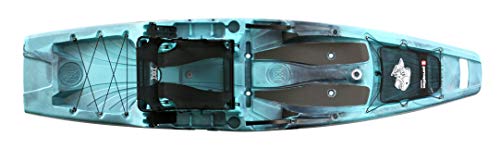
The Outlaw 11.5 emphasizes storage and comfort with its fold-away lawn chair-style Frame seat and a weight capacity of 425 lb. It includes four integrated rod holders and front/rear storage areas, making it a flexible option for anglers who need accessible gear management on longer trips. Choose this if you want a versatile, compact kayak that can stand up to a full fishing load. A caution is that the fold-away seat may feel different from fixed-seat designs for some users.
Buying Guide: Key Considerations For Fishing Kayaks And Tandem Sit-On-Top Boats
- Intended use: Are you solo, with a partner, or planning family trips? Tandem models offer more capacity, while solo kayaks emphasize agility.
- Stability vs. maneuverability: Hull design and beam influence how easy it is to cast while standing and how the craft handles in rough water.
- Seating and comfort: Look for ergonomic seating, padding, and height adjustments for long days on the water.
- Gear and storage: Front and rear tank wells, hatch access, and built-in rod holders determine how much gear you can carry and reach quickly.
- Rigging options: Accessory rails, eyelets, and tie-downs enable customization for rods, cameras, coolers, and more.
- Portability and weight: Heavier models may require wheels or a second person for transport. Consider your vehicle’s rack compatibility.
- Inflatable vs. hard-shell: Inflatable two-person kayaks are portable and storage-friendly but may be slower and less rigid than hard-shell options.
- Maintenance: Materials, UV resistance, and hull construction affect long-term durability and care needs.
Frequently Asked Questions
- What’s the best fishing kayak for beginners?
- Should I choose a tandem kayak for fishing?
- Is a sit-on-top kayak better than a sit-inside design for fishing?
- What features matter most for rod management?
- Do pedal systems improve fishing performance?
- How important is weight capacity?
Look for stable hulls, comfortable seating, and simple rigging. A single-angler model with front and rear storage is typically easiest to learn on.
Tandems are ideal for two anglers or mixed use with gear, but they’re heavier and less maneuverable than solo models.
Sit-on-top designs offer easier exit/entry and gear access, which is beneficial for fishing, but some paddlers prefer the enclosed feel of sit-insides for weather protection.
Multiple rod holders, flush-mounted options, and rail-based accessory systems provide the most flexible setups for casting and trolling.
Pedal systems offer hands-free propulsion and precise steering, especially in shallow water and around vegetation, but add weight and maintenance considerations.
A higher weight capacity accommodates gear, coolers, and multiple anglers while maintaining buoyancy and stability.