Best Epoxy for Aluminum Boat Repairs: Reliable Solutions for Hull &Amp; Deck
In short, epoxy solutions for aluminum boats are essential for durable repairs and long-term waterproofing. This guide highlights five top epoxy products, explaining who they’re best for, how they perform on aluminum, and practical buying tips. Ideal buyers include DIY boaters patching leaks, fabricators repairing brackets, and owners seeking underwater-ready seals. The following picks balance ease of use, set time, and water resistance to help you choose confidently.
| Product | Best For | Key Benefit |
|---|---|---|
| J-B Weld MarineWeld | General repairs & Marine projects | Strong steel-reinforced bond with high heat tolerance |
| Travaco Gluvit Gluvit | Leak sealing on hulls & decks | Barrier coat seals leaks in aluminum structures |
| AOJEL S300 | Rigid metal repairs | Extended working time for precise alignment |
| TotalBoat Aluminum Boat Leak Sealer | Leaks & rivet seams | Two-part, flexible, underwater-ready seal |
| West System G/flex | Bonding damp or difficult-to-bond metals | Excellent adhesion on wet surfaces |
Note: Values and claims reflect product features provided. Always follow manufacturer instructions for surface prep, mixing ratios, cure times, and safety.
J-B Weld MarineWeld Marine Epoxy 2 oz

Overview: J-B Weld MarineWeld is a two-part epoxy designed for marine repairs on various surfaces, including aluminum. It sets in 4-6 hours and cures in 16-24 hours, forming a dark grey, hard-wearing bond. The system is steel-reinforced with a tensile strength around 5020 PSI and withstands temperatures up to 550°F. Fully cured, it is waterproof and resistant to petroleum, chemicals, and acids. This makes it suitable for hull patches, deck fittings, and supporting structures that must endure marine conditions.
Best for: DIY boaters needing a robust, field-friendly repair on aluminum and other surfaces. The product is well-suited for structural repairs or bracing where a durable, water-tight seal is required. It’s a practical choice when you want a simple 1:1 mix and a dependable, long-lasting bond.
Why selected: MarineWeld’s combination of high tensile strength and waterproof properties aligns well with aluminum boat repair needs, especially for patches, joints, and reinforced areas that experience vibration and moisture.
Caution: Work time can be extended by cooler temperatures; plan for adequate curing in a shaded or indoor area. Avoid applying to surfaces with lingering oil or moisture that could impede bonding.
Travaco RM330K Marine-Tex Gluvit Waterproof Epoxy Sealer
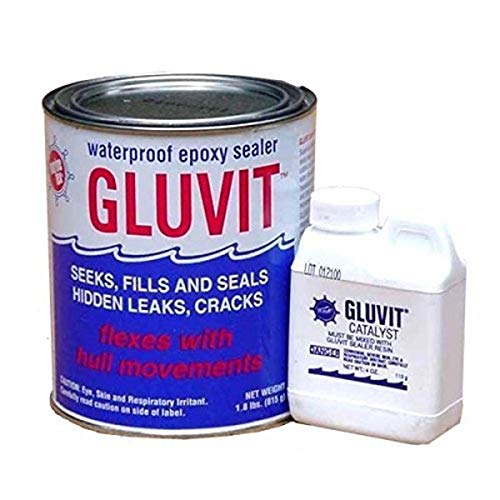
Overview: Gluvit is a barrier coat designed to seal and protect hulls, decks, and aluminum components. It is particularly noted for sealing leaky seams, rivets, and leaks around fiberglass cabins or decks, making it a practical choice for aluminum hulls with seam or rivet vulnerabilities. This sealer supports protection across multiple materials and creates a robust barrier against moisture intrusion.
Best for: Boat owners with known rivet or seam leaks on aluminum hulls who want a dedicated sealant that can be applied to varied substrates, including aluminum.
Why selected: The product focuses on sealing leaks in aluminum structures, providing a targeted solution where quick containment and long-term protection are needed. It complements mechanical repairs by preventing water ingress at joints and fasteners.
Caution: This product’s performance depends on proper surface prep and cure conditions. Ensure rust removal and clean surfaces before application to maximize adhesion.
AOJEL S300 Metal Epoxy 2-Part

Overview: AOJEL S300 provides a two-part metal epoxy designed for aluminum and other metals. It targets rigid repairs like cracked brackets, broken housings, frames, and other non-flexing repair areas. The formulation emphasizes longer working time for better alignment, allowing clean, precise repairs before cure. It is drillable and sandable, which helps when finishing repaired areas to blend with surrounding metal.
Best for: Projects requiring careful alignment and longer working time, such as reinforcing brackets or repairing heavy metal components that cannot tolerate rushed application.
Why selected: The extended working time and metal-specific adhesion make this a strong option for more complex metal repairs on aluminum boats, where misalignment could compromise structural integrity.
Caution: As with all epoxy blends, surface prep is crucial. Ensure materials are clean and dry for best bonding results, and avoid over-clamping that could squeeze out the resin.
TotalBoat Aluminum Boat Leak Sealer

Overview: TotalBoat Aluminum Boat Leak Sealer is a two-part, flexible epoxy designed to seal leaks in rivets and seams on aluminum boats. It offers a long working time (about 75 minutes at 72°F) to ensure complete penetration and a thorough seal. The formulation is designed to absorb stresses from contraction, vibration, and expansion, providing a durable seal that remains effective in marine environments. It can be applied to properly prepared aluminum surfaces at temperatures as low as 40°F.
Best for: Boaters seeking a reliable, watertight seal on riveted or seam-prone aluminum hulls, especially when working in cooler climates or during seasonal maintenance.
Why selected: Its long working time and flexible cure profile help ensure a solid seal on aluminum hulls where movement and temperature shifts are common.
Caution: Ensure proper surface preparation and temperature conditions to achieve optimal adhesion and sealing performance. Avoid applying over rust without prior preparation.
WEST SYSTEM G/flex Epoxy (2-4 oz)

Overview: West System G/flex is a toughened, versatile epoxy designed for permanent waterproof bonding on fiberglass, metals, plastics, and damp woods. It is notable for bonding onto damp or even underwater surfaces when applied with proper techniques. This makes it a valuable option for aluminum boat repairs where moisture is a factor or when bonding to other damp components is required.
Best for: Repairs requiring a strong, water-friendly bond on aluminum and other damp or challenging substrates. It’s an excellent choice when moisture cannot be fully controlled during application.
Why selected: G/flex’s ability to bond in wet conditions provides an edge for underwater-ready or flush-mounted repairs on aluminum boats, where a reliable seal and bond are essential.
Caution: Cure times can vary with temperature and humidity. Follow recommended ratios and clamp strategies to prevent squeeze-out that can weaken joints.
Buying Guide: Key Considerations For Aluminum Boat Epoxy
- Surface preparation: For aluminum, remove oils, oxidation, and any old coatings. A clean, dry surface improves adhesion and cure consistency.
- Working time vs. cure time: Longer working times help with precise alignment, especially on structural repairs. Shorter cure times speed up project completion but require faster work.
- Flexibility vs. rigidity: Flexible sealers help at rivet seams and hull joints; rigid epoxies are better for structural supports and brackets.
- Water and chemical resistance: Choose products rated for waterproof or marine use when repairs involve exposure to saltwater or fuel
- Temperature considerations: Some epoxies perform better at lower temperatures; others require warmer conditions for full cure.
- Application method: Syringes and dual-tube mixes can simplify precise dosing and consistency, particularly in small repairs.
FAQ
- Q: Can these epoxies be used underwater after curing? A: Some products are designed for underwater or damp surfaces; always check the product instructions for underwater use claims.
- Q: Which epoxy is best for sealing leaks on an aluminum boat? A: TotalBoat Aluminum Boat Leak Sealer and Travaco Gluvit Gluvit are specifically geared toward leak sealing on aluminum hulls and seams.
- Q: Do I need a specific hardener for aluminum surfaces? A: Most 2-part epoxies come with compatible hardeners; follow the manufacturer’s mixing ratios for best results on aluminum.
- Q: How long does curing take on aluminum at typical boatyard temperatures? A: Cure times vary; plan for several hours to a day or more depending on product and ambient conditions.
- Q: Is it better to use a bonding epoxy or a sealant for rivet leaks? A: For rivet leaks, a flexible sealant with good adhesion to metal is typically recommended, with bonding epoxy used for structural repairs in conjunction with sealant as needed.
- Q: Can I drill into cured epoxy? A: Many marine epoxies are drillable after full cure; test before large drilling operations to avoid compromising bonds.