Best Emergency Flares for Boats: Reliable Marine Safety Signals
Engineered to meet USCG and SOLAS requirements while staying easy to use under pressure, modern electronic and traditional marine distress signals offer safer, longer-lasting visibility at sea. This guide highlights top options for boaters, from electronic LED beacons to traditional aerial flares, helping you choose signals that fit your vessel, scenery, and safety plan.
| Product | Brand | Key Benefit | Format |
|---|---|---|---|
| ACR ResQFlare E-Flare Safety Kit | ACR | Long-lasting, 360° visibility; replaces pyrotechnic flares | Electronic |
| Sirius Signal C-1003 SOS LED Distress Signal | SIRIUS SIGNAL FOR LIFE | Coast Guard approved, up to 60-hour signal | Electronic |
| TEKTITE SOSeFLARE 5 NO MORE FLARES! Electronic Flare | TEKTITE® | USCG & SOLAS compliant, 30+ hours, waterproof | Electronic |
| TEKTITE SOSeFLARE 5 NO MORE FLARES! Night Use | TEKTITE® | Night-use, 30+ hours, submerged up to 500ft | Electronic |
| ORION Safety 584 ALERTER Basic 12 GA 4-Flares | Orion | High-intensity aerial flares, reliable launcher | Traditional |
Note: The products listed are selected for relevance to boating safety, varying formats, and compliance features. While a mix of electronic and traditional signaling exists, all options are designed to improve visibility and adherence to maritime safety standards.
ACR ResQFlare E-Flare Safety Kit

The ACR ResQFlare E-Flare Safety Kit combines an electronic flare with a distress flag, designed to meet daytime and nighttime USCG requirements. It features an operational life of about 20 hours, offering more than three times the efficiency of some fixed-intensity needs. The device is waterproof to IP67 and provides 360° visibility, ensuring a bright signal in all directions. Its light weight and compact design aid portability for lifeboats or personal flotation devices. Certified under USCG 161.013 as a Nighttime Visual Distress Signal, this kit can serve as a replacement for some pyrotechnic flares, making it a practical and modern safety upgrade for many vessels.
Orion Safety 6020 20-Minute Flare (Pack of 6)
This pack from Orion Safety emphasizes non-perchlorate formula and modern packaging with a resealable pouch for moisture protection. The 20-minute flares are designed for marine signaling with ease of storage and portability. The kit includes a non-perchlorate formula that aligns with evolving environmental and safety standards, and the water-resistant packaging helps maintain flare readiness. As a traditional pyrotechnic option, these signals remain widely used for their reliability in daylight and low-light conditions, though they require careful handling and storage according to safety guidelines.
Sirius Signal C-1003 SOS LED Distress Signal

The C-1003 kit from Sirius Signal provides a Coast Guard-approved electronic distress signal that satisfies night, day, and audible requirements. It offers up to 60 hours of continuous SOS signaling, with included batteries to extend readiness. The device is designed to be user-friendly and safe for family use, and its bright signaling can be detected up to about 10 nautical miles. As a durable electronic alternative to pyrotechnics, it reduces the logistics of carrying and disposing of traditional flares while maintaining strong visibility.
TEKTITE SOSeFLARE 5 NO MORE FLARES! Electronic Distress Signal

TEKTITE’s No More Flares electronic distress signal is USCG and SOLAS compliant as a legal replacement for traditional boat flares. It flashes SOS in Morse code and includes an audible whistle plus a distress flag for comprehensive day and night visibility. It runs on CR123 lithium batteries and offers up to 30+ hours of signaling, with batteries that are replaceable and shelf-stable for up to five years. The device is waterproof, floats upright, and tolerates depths up to 500 feet, making it a strong option for boats operating in various conditions. Patented technology underpins its reliability and safety compliance.
TEKTITE SOSeFLARE 5 NO MORE FLARES! Night Use

This TEKTITE model targets nighttime signaling, combining USCG and SOLAS compliance with a robust night-use signaling function. It provides a 30+ hour signaling window and uses replaceable CR123 lithium batteries with a five-year shelf life. Waterproof, submersible to 500 feet, and capable of floating upright, this handheld beacon is designed for consistent visibility during tough night conditions. It carries the same patent-backed reliability as other TEKTITE devices and aligns with high maritime safety expectations for nighttime rescue operations.
ORION Safety 15 Minute Road Flares (3 Flares)

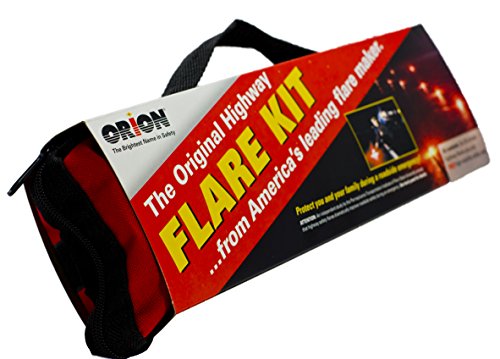
Orion Safety Road Flares provide a different signaling context, oriented toward road safety but still relevant for emergency signaling on land or water interfaces. This package includes three waxed flares, designed for quick deployment in road or shoreline emergencies. The non-perchlorate formula reduces certain hazards, though these signals produce hot flame and must be kept away from fuel, fumes, or other combustibles. They serve as a practical backup option for mixed-use vessels and shore-based safety kits, with robust packaging that protects against moisture intrusion.
Buying Guide: Key Purchase Considerations
- Signaling type: Electronic distress signals offer longer life and reusable operation, while traditional flares provide familiar, no-battery signals but require caution and proper storage.
- Regulatory compliance: Choose devices that meet USCG Nighttime Visual Distress Signal standards and, if applicable, SOLAS for offshore use. Verify that the kit is certified and compliant for your sailing area and vessel size.
- Visibility and range: Consider devices that advertise long-range visibility (nautical miles) and wide dispersion (360°) to maximize chances of being seen by rescuers.
- Battery life and replacement: For electronic signals, evaluate battery life, replaceability, and shelf life. For traditional flares, check burn duration and storage requirements.
- Durability and environment: Look for waterproofing (IP ratings), submersion tolerance, buoyancy, and resistance to corrosion or harsh marine conditions.
- Ease of use: Prioritize kits that are straightforward to deploy under stress, with clear instructions or automated features that reduce user error during emergencies.
- Portability and space: If you have limited storage aboard, compact, lightweight electronic beacons or compact flare packs are advantageous.
- Environmental and safety considerations: Non-perchlorate formulations and reusable devices are increasingly preferred for environmental and safety reasons, especially near shorelines and marinas.
- Maintenance plan: Keep a rotating schedule to replace batteries, inspect seals, and verify that any reusable devices remain within their shelf-life and regulatory guidelines.
- Redundancy strategy: For optimal preparedness, combine electronic distress signals with traditional flares, so you have multiple signaling options in varying conditions.