Best Emergency Beacon for Boats
If you need reliable maritime distress signaling, a personal locator beacon or electronic distress signal is essential. This guide highlights top boat-safe beacons that help you meet USCG requirements and improve rescue chances. The picks vary by use case: nautical travelers, day trips on the water, and serious outdoor adventurers will find options that suit different environments and budgets. The following table summarizes key details to compare at a glance.
| Product | Best For | Key Benefit | Notes |
|---|---|---|---|
| Sirius Signal C-1003 SOS LED Distress Signal | Coast Guard-regulated environments | Long-lasting LED SOS signal, day/night visibility | Includes daytime flag & whistle |
| ACR ResQLink 400 | Hikers, boaters, outdoors with GPS | Subscription-free coverage with global reach | GPS-based distress with strong visibility |
| TEKTITE SOSeFLARE 5 | Boat owners needing long battery life | Up to 30+ hours, rugged and waterproof | USCG & SOLAS compliant, includes flag |
| ACR ResQLink View | Boaters and hikers needing GPS display | Digital GPS display and Return Link Service | No subscription required, buoyant design |
| Sirius Signal MK-1001 Kit | All-in-one marine safety | Visual, audible alerts plus first aid components | USCG approved |
Note: Each product is selected for a distinct scenario—choose based on whether you value GPS, long battery life, or an all-in-one signaling solution for boating safety.
Sirius Signal C-1003 SOS LED Distress Signal
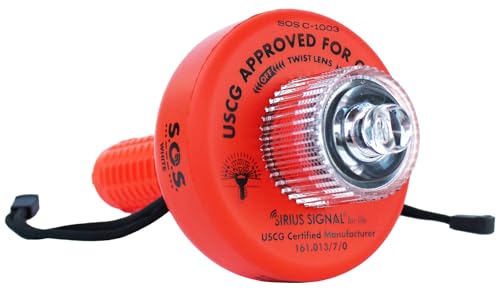
The C-1003 is a Coast Guard approved electronic distress signal that covers night, day, and audible signaling requirements. It flashes a USCG SOS pattern for up to 60 hours, offering extended visibility beyond minimum standards. Batteries are included for immediate use. Best for boat operators who need a self-contained, maintenance-light distress signal with strong daytime and nighttime visibility.
- Best for Coast Guard-compliant signaling on boats and small vessels.
- Better for users who want a complete kit with flag and whistle.
- Caution: Relying solely on a single device in rough seas should be complemented with other safety gear.
ACR ResQLink 400

The ResQLink 400 provides global coverage with 406 MHz distress signals and GPS data, designed to aid search and rescue efforts. It operates with no ongoing subscription and includes LED/infrared strobes for visibility in low-light conditions. Best for outdoor enthusiasts who want reliable, subscription-free rescue positioning during boating, hiking, or fishing trips.
- Best for subscription-free operation with global reach.
- Better for nighttime visibility via LED and IR strobes.
- Caution: Depends on external rescue infrastructure; ensure batteries are fresh for long trips.
ACR ResQFlare Electronic Distress E-Flare
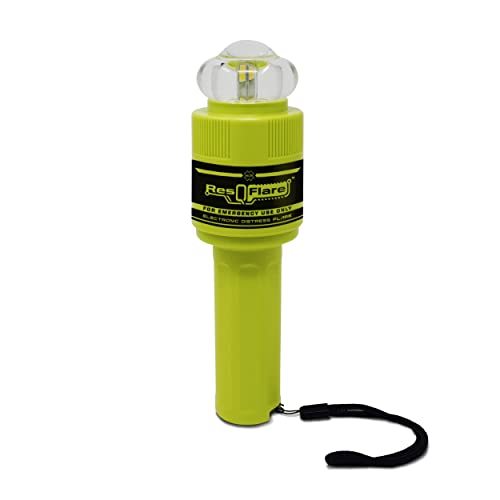
The ResQFlare E-Flare pairs with a distress flag and offers 360° visibility. It is waterproof and floats automatically, providing a USCG 161.013 night signal and a separate daytime flag. Best for boaters who want a compact, water-friendly alternative to traditional flares, with clear day and night signaling capabilities.
- Best for replacing pyrotechnic flares with an electronic option.
- Better for users who need daytime signaling via the included flag.
- Caution: Battery life may vary with use; verify replacement cycles per mission profile.
Sirius Signal MK-1001 Boating Safety Kit

The MK-1001 kit combines visual and audible distress signals with first aid components, aiming to provide a complete safety package for emergencies on the water. It includes an approved C-1003 SOS eVDSD electronic flare and an orange daytime flag, helping meet Coast Guard signaling requirements. Best for boaters seeking an all-in-one safety solution rather than separate devices.
- Best for all-in-one safety readiness on board.
- Better for boats that want both distress signaling and basic first aid tools.
- Caution: Heavier than standalone beacons; storage space may be a consideration.
Buying Guide
What signaling standard do I need?
Identify whether you need visual-only signals, audible signals, or a combination. USCG approvals vary by device type; choose a model that aligns with your vessel type and applicable regulations.
Should I prioritize GPS and SOS position data?
GPS-enabled beacons provide rescuers with your location, reducing search time. For remote trips, a 406 MHz transmitter with GPS is highly beneficial, even if no subscription is required for basic features.
What about battery life and maintenance?
Battery life matters on long voyages. Look for devices with long estimated operation times, replaceable batteries, and clear indicators for battery status. Some models offer replaceable cells or long-lasting lithium options.
Is an all-in-one kit worth it?
All-in-one kits simplify preparedness by combining distress signals, flags, and first-aid components. They are convenient for boaters who prefer fewer separate purchases and easier storage.
Which device is best for frequent boaters?
Frequent boaters should consider a device with durable waterproofing, floatation, and long-term reliability. Models with IP ratings, buoyancy, and self-righting features are especially suitable for open-water use.
What are common limitations to expect?
Some devices rely on rescue infrastructure, so a device’s effectiveness depends on responders. Battery replacement cycles and proper storage are essential to ensure readiness when needed.
FAQ
-
Do these beacons require ongoing subscriptions?
Some models are subscription-free, while others may offer optional services. Check the product specifications for any ongoing fees.
-
Can I use these beacons on all watercraft?
Most are designed for boats, kayaks, jet skis, and other personal watercraft, but verify compatibility with your vessel type and local regulations.
-
How long do batteries last in typical use?
Battery life varies by model. Many emitters provide hours of continuous signaling, with some offering multi-day readiness when used conservatively.
-
Will these beacons float if dropped in water?
Several models are waterproof and buoyant, designed to float upright for visibility. Confirm buoyancy features in the product specs.
-
How do I know when to replace a distress beacon?
Follow manufacturer guidance on battery life, self-test intervals, and replacement cycles. Some devices include indicators and test modes to verify functionality.
-
What makes a device USCG approved?
USCG approval involves adherence to specific standards for visual, audible, and signaling performance. Look for explicit USCG approval marks and listed signal types.