Best USCG-Approved Electronic Flares for Boating and Safety
Answering the need for reliable, Coast Guard-approved electronic distress signals, this guide highlights top options that meet USCG and SOLAS requirements. Ideal for boaters, anglers, jet-skiers, and travelers who want a non-pyrotechnic alternative, each product below is evaluated for visibility, durability, and ease of use. The top picks are best for different scenarios: shore-side cruisers, saltwater anglers, and emergency-prepared kits. A quick product comparison table is provided to help you decide at a glance.
| Product | Best For | Key Benefit |
|---|---|---|
| Sirius Signal C-1003 SOS LED Distress Signal | Families and beginners | Long 60-hour signal, bright visibility up to 10 nm |
| ACR ResQFlare E-Flare and Flag | Compact kits | 360° visibility, IP67 waterproof, dual-day/night signaling |
| TEKTITE SOSeFLARE 5 NO MORE FLARES! | All-purpose boaters | USCG & SOLAS compliant, 30+ hours with replaceable batteries |
| ACR ResQFlare E-Flare Safety Kit | Long trips | Nighttime signal plus distress flag, durable IP67 |
| Caikieme 3 PCS Boat Flares | Multi-device kits | Coast Guard certified, three-pack for spread signaling |
Sirius Signal C-1003 SOS LED Distress Signal
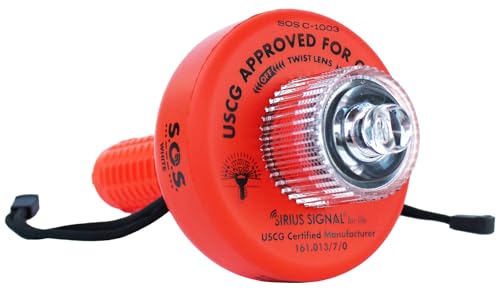
The Sirius Signal C-1003 provides a comprehensive Coast Guard approved kit that satisfies USCG Night, Day, and Audible distress signal requirements. It features a long-lasting signal capable of flashing for up to 60 hours, with batteries included for immediate readiness. The device is incredibly bright, with visibility up to 10 nautical miles. Best for families and boaters who want a user-friendly, all-in-one electronic flare replacement that requires minimal setup.
- Best for straightforward, all-in-one distress signaling
- Better for users who need both day and night visibility
Caution: This device relies on battery power; plan for battery life and keep spares if you need extended signaling.
ACR ResQFlare Electronic Distress E-Flare and Flag
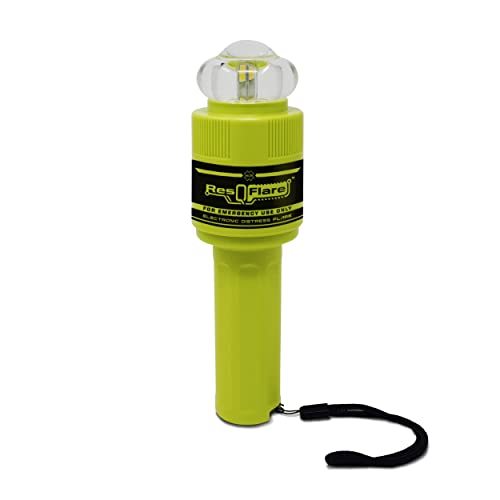
The ACR ResQFlare E-Flare with Distress Flag functions as a replacement for USCG pyrotechnic flares when both items are carried. It offers 360° visibility with IP67 waterproofing and floats automatically upright. This kit is certified under USCG 161.013 as a Nighttime Visual Distress Signal and provides daytime visibility with the included flag. Best for compact, reliable signaling on smaller vessels or when minimizing fire risk is a priority.
- Best for compact, all-weather signaling
- Better for swimmers or kayaks seeking robust, non-pyro alternatives
Caution: Ensure you have the appropriate replacement batteries and storage space for field use.
TEKTITE SOSeFLARE 5 No More Flares!
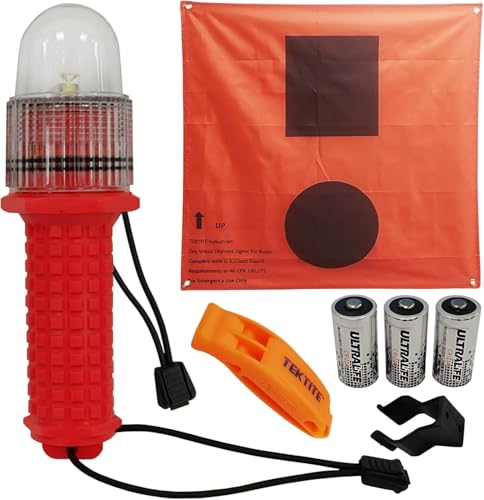
This USCG and SOLAS-compliant electronic distress signal kit includes a flag and audible signal, delivering Morse-code S-O-S with a loud audible locator. It runs on CR123 lithium batteries for 30+ hours of signaling and is designed to withstand harsh marine conditions. Best for boaters who need a durable, USA-made signaling device that doubles as a night and day visibility tool.
- Best for high-visibility, all-weather signaling
- Better for users seeking USCG and SOLAS compliance in one kit
Caution: Replacement batteries have a multi-year shelf life but should be checked regularly for readiness.
ACR ResQFlare E-Flare Safety Kit

The ResQFlare E-Flare Safety Kit combines an electronic flare with a distress flag, providing a reliable nighttime signal and daytime visibility. It is waterproof IP67 and designed for long trips, with the distal capability to meet USCG 161.013 Nighttime Visual Distress Signal standards. Best for longer voyages where dependable signaling in both day and night is essential.
- Best for long trips where durability matters
- Better for vessels needing both night and day signaling
Caution: While robust, this kit has a longer readiness cycle for field maintenance compared to simpler devices.
Caikieme 3 PCS Boat Flares

This three-pack from Caikieme provides multiple electronic distress flares suitable for fishing boats, buoys, and life rafts. Coast Guard certified, it offers a practical spread signaling approach for larger vessels or group signaling. Best for crews needing redundancy and quick placement of signals across a wider area.
- Best for multi-signal setups
- Better for crewed vessels requiring multiple beacons
Caution: The kit includes three units; ensure each unit is accessible for rapid deployment in emergencies.
Buying Guide: Key Purchase Considerations
- USCG and SOLAS Compliance: Confirm that the device is certified as a Nighttime Visual Distress Signal and, if applicable, a Daytime Visual Distress Signal. This ensures legal use as a replacement for pyrotechnic flares.
- Visibility and Range: Look for devices that provide 360° visibility and long signaling duration. Battery type and life influence readiness in extended emergencies.
- Durability and Waterproofing: IP67 or higher ratings and floating capability help devices withstand saltwater, rain, and immersion.
- Power Source and Shelf Life: Consider replaceable CR123 batteries with long shelf life for readiness, plus battery life information in hours of operation.
- Day and Night Signaling: Some kits include both a flag (daytime) and audible signal (nighttime). Decide if you need both for your boating scenarios.
- Portability and Storage: Lightweight, compact designs fit in tight storage spaces. A kit with multiple units can offer strategic placement across a vessel.
- Maintenance and Replacement: Check for replaceable batteries and the availability of replacement parts or flags to extend usability.
FAQ
- What does USCG approved mean for electronic flares?
It means the device meets U.S. Coast Guard safety standards as a legal replacement for traditional pyrotechnic distress flares, including required signaling in day and night conditions.
- Are electronic flares waterproof and able to float?
Many models are IP67 waterproof and designed to float upright, which helps maintain visibility if the device is dropped overboard.
- How long do electronic distress signals last on a single set of batteries?
Most devices offer 30+ hours of signaling, with some models providing up to 60 hours depending on usage and battery type.
- Is a distress flag required?
Some kits include a daytime distress flag, while others rely on the electronic signal alone. Check your receiver requirements and local regulations.
- Can these replace all traditional flares?
Electronic distress signals can replace many pyrotechnic flares for certain signaling scenarios, but always follow Coast Guard guidelines and your vessel’s safety plan.