Best Docking Systems for Boats: Top Picks for Safe Mooring
Discover the best docking systems for boats that balance protection, ease of use, and durability. This guide highlights five purpose-built options for different boat sizes and docking needs, helping you choose the right setup for a secure, damage-free mooring. Ideal buyers include weekend boaters, small cruising enthusiasts, and marina-goers seeking reliable hardware that minimizes hull impact and simplifies docking tasks.
Summary table of chosen products
| Product | Best For | Key Benefit |
|---|---|---|
| Dock Edge + Premium Mooring Whip (14′, set of 2) | Craft up to 28′ or 10,000 lb | Strong fiberglass whip with easy plug-and-socket assembly |
| Dock Edge + Premium Mooring Whip (8′, set of 2) | Craft up to 18′ or 2,500 lb | Compact, durable mooring whip for smaller vessels |
| Dock D-Fender Red Fire Boat Docking System | Any small to mid-size boat needing protection | Floating fender system for quick protection |
| MARINE SYSTEM Double Braided Nylon Dock Lines (2 Pack) | General mooring lines | High-tensile, durable nylon with 12″ eyelet |
| MISSION Cannon Boat Fenders (2 Pack) | Non-marking hull protection | Adjustable height with DREADKNOT system |
Dock Edge Premium Mooring Whip 14′ (Set of 2) for Craft Up to 28′

The Dock Edge Premium Mooring Whip 14′ is designed for larger craft up to 28′ or 10,000 lb. It uses reinforced cross-wound fiberglass and a unique plug-and-socket system for glue-free assembly and quick disassembly when not in use. This makes it best for boaters who need a robust, long reach mooring solution that’s easy to store. Consider this if you regularly dock larger boats or need a reliable, high-load mooring setup.
Best for: Larger boats and frequent dockers who want a strong, reusable mooring whip. Better for: frequent setup/teardown scenarios where time matters. Avoid if: you only need a short, lightweight option.
Dock Edge Premium Mooring Whip 8′ (Set of 2) for Craft Up to 18′
This 8′ version is tailored for smaller boats up to 18′ or 2,500 lb. It shares the same reinforced fiberglass construction and plug-and-socket system as the 14′ model, making it a practical choice for compact launches, sailboats, or pontoons. It’s best for boaters seeking a compact, durable mooring whip without extra length.
Best for: Small to mid-size boats needing a compact mooring solution. Better for: portability and quick setup. Choose this if: you don’t require the extra reach of the 14′ model.
Dock D-Fender Red Fire Boat Docking System

The Dock D-Fender Red Fire model provides floating, buoyant protection with a foam exterior and strong core to keep fenders afloat while safeguarding hulls from scuffs and scrapes. It is lightweight and easy to position, suitable for both new boaters and seasoned captains who want fast, reliable dock protection. A limitation is that it’s a protection device rather than a mooring line, so use alongside a robust mooring setup for comprehensive docking safety.
Best for: quick, portable hull protection at the dock. Better for: protecting boats during tying, especially for shallow or crowded docks. Choose this if: you primarily need reliable fender protection rather than a full mooring system.
MARINE SYSTEM Double Braided Nylon Dock Lines Rope, 3/8″ x 15′ (2 Pack)
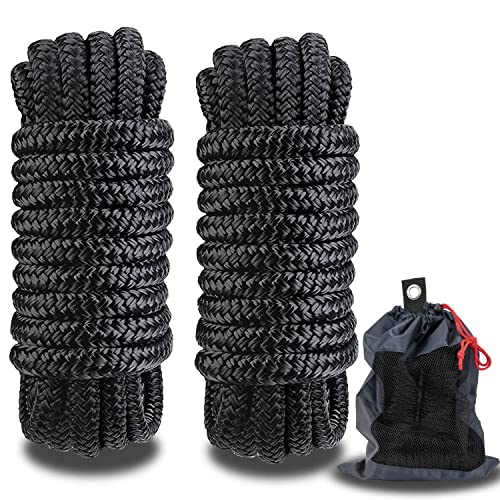
This two-pack features 3/8″ x 15′ nylon dock lines with a 12″ eyelet, designed for practical mooring under various conditions. The nylon is said to be durable with good shock-load absorption and resistance to wear, aided by reinforced ends. It’s best for boaters who want sturdy lines to pair with fenders and mooring whips. A potential limitation is that length and diameter may not fit all dock cleat setups, so verify compatibility with your mooring hardware.
Best for: general mooring needs with reliable line strength. Better for: boats that dock in varied weather. Choose this if: you want a ready-to-use two-pack of strong dock lines.
MISSION Cannon Boat Fenders for Docking – 2 Pack

The MISSION Cannon Boat Fenders use non-marking closed-cell foam with DREADKNOT height adjustment for dock setup. They provide hull protection without leaving marks and can be adjusted quickly to match dock height. This is suitable for boaters who want a neat, adjustable fendering solution that avoids hull residue. A limitation is that the system may be more about bumper protection than mooring mechanics, so pair with quality lines for full docking safety.
Best for: non-marking, adjustable fender protection. Better for: maintaining boat finish after docking. Choose this if: you prioritize hull aesthetics and quick height adjustment.
Buying Guide: Key Considerations for Docking Systems
- Boat size and weight: Match mooring components to vessel length and displacement to ensure enough load capacity.
- Dock type and environment: Floating docks, finger piers, and marina infrastructure influence whether you need long whips, sturdy lines, or additional fenders.
- Material quality: Look for reinforced fiberglass, high-grade nylon, and closed-cell foam to maximize durability and minimize hull damage.
- Ease of use: Plug-and-socket mooring systems simplify setup; adjustable fenders save time when docking in variable water heights.
- Portability and storage: For seasonal or trailer boats, choose lighter, easily disassembled gear that stores compactly.
- Maintenance: Consider products that require minimal upkeep and resist wear from saltwater exposure.
- Compatibility: Ensure lines, fenders, and whips fit your cleats, dock cleats, and boat hull design.
Frequently Asked Questions
- What is the purpose of a mooring whip?
A mooring whip absorbs shock, reduces hull contact, and allows some give when the boat moves with wind or current. - How do I choose the right fender height?
Select fenders that position the hull several inches above the dock line, with adjustable height for changing water levels. - Are nylon dock lines better than polyester?
Nylon provides better shock absorption and flexibility; polyester can be more abrasion-resistant, so consider conditions and boat weight. - Should I buy a complete docking kit or mix and match?
A complete system offers compatibility and consistency; mixing items is fine if you verify dimensions, load ratings, and attachment points. - What maintenance is needed for docking gear?
Rinse with fresh water after salt exposure, inspect for cuts or frayed fibers, and replace worn components promptly. - Can I use these products for saltwater and freshwater mooring?
Yes, most are designed for both environments, but always check corrosion resistance and storage recommendations.