Best Diesel Fuel Bladders for Marine Use to Extend Your Voyage
Answering the need for extended-range fuel solutions, these diesel fuel bladders are designed for boats, yachts, and marine vessels. This guide highlights five options that balance durability, capacity, and portability, helping you choose the right bladder for your craft and trips. Ideal buyers include long-range fishermen, yachting enthusiasts, and boat operators seeking safe, on-deck fuel storage. A quick comparison table below summarizes key choices.
| Product | |||
|---|---|---|---|
| MUKETA 60 Gallons | 60 gal | 2000D TPU | Extended trips for smaller vessels |
| MUKETA 150 Gallons | 150 gal | 2000D TPU | Longer voyages on larger boats |
| Luoweikadeng 30 Gallons | 30 gal | Composite flexible technology | Compact setups and deck fit |
| ATL Petro-Flex 100 Gallons | 100 gal | Mil-Spec rubberized bladder | Rugged, durable option |
| Luoweikadeng 80 Gallons | 80 gal | Composite flexible technology | Higher capacity with versatile fit |
MUKETA 60-Gallon Marine Fuel Bladder
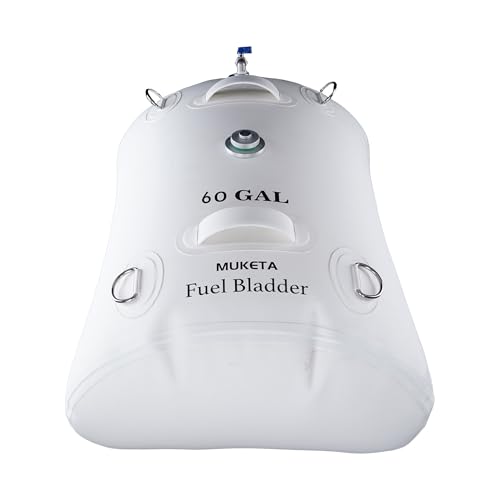
The MUKETA 60-Gallon bladder uses 2000D TPU material offering high tensile strength, puncture resistance, abrasion resistance, and anti-static properties. It is designed to safely store fuel for extended periods and supports both gasoline and diesel. The bladder enables quick refueling via standard nozzles, making it suitable for shorter long-range trips on smaller vessels. Best for: compact boats and dinghies needing reliable, on-deck fuel during day trips or coastal cruising.
Caution: smaller capacity means more frequent refueling on longer voyages. Consider pairing with a larger bladder if you plan multi-day offshore trips.
MUKETA 150-Gallon Marine Fuel Bladder
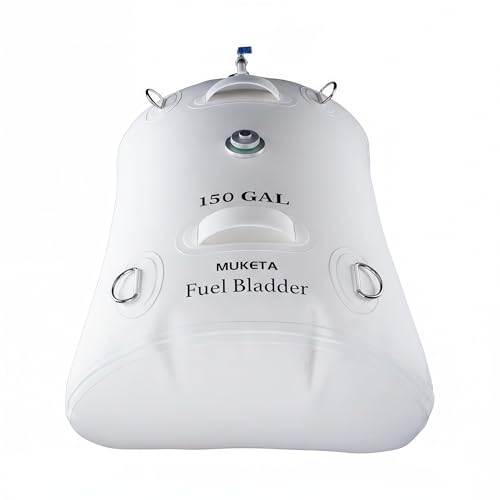
The 150-gallon MUKETA model uses the same 2000D TPU construction, delivering robust strength and abrasion resistance. Safe for extended storage and usable with gasoline or diesel. It supports fast top-ups through standard fuel nozzles, enabling longer cruising plans. Best for: mid-sized yachts and sailboats that need a substantial reserve without compromising deck space.
Limitation: higher capacity requires more deck space and secure mounting; ensure proper tie-downs to prevent movement in rough seas.
Luoweikadeng 30-Gallon Fuel Bladder

Luoweikadeng’s 30-gallon bladder offers range extension with anti-static materials and a flexible composite design. It includes handles, tie-down grooves, and a hose spigot for convenient use, with dimensions suitable for smaller decks. Best for: smaller boats or as a supplementary bladder to extend range without crowding the cockpit.
Caution: smaller capacity may necessitate more frequent refills on lengthy voyages or high-draw scenarios.
ATL Petro-Flex 100-Gallon Pillow-Style Bladder

The 100-gallon ATL Petro-Flex is a rugged, mil-spec rubberized bladder designed for harsh marine conditions. It features a fill/stand pipe, a pressure-relief valve, and a 1/2″ ball valve outlet with safety lock for controlled dispensing. Best for: boats that require a durable, high-capacity option with reliable safety features in demanding conditions.
Limitation: heavier bladder and bulkier setup may require careful placement and additional securing hardware on smaller vessels.
Luoweikadeng 80-Gallon Fuel Bladder

The 80-gallon Luoweikadeng unit uses the same composite flexible tech for durability and safe, extended storage of fuel. It’s designed to fit varied deck layouts and can be shaped to optimize space. Best for: boats needing a higher-capacity option than 60 gallons, without stepping up to 150 gallons, while maintaining deck flexibility.
Note: ensure secure anchoring and proper ventilation when storing large-volume bladders on deck.
Buying Guide
What capacity should you choose? Consider typical voyage length and daily fuel consumption to balance fuel needs with deck space. For smaller boats, 30–60 gallon bladders are often ideal; for mid-sized to larger vessels, 100–150 gallons provide meaningful range without excessive bulk.
What material matters? TPU-based bladders offer good strength and abrasion resistance, while mil-spec rubberized fabrics excel in rugged environments. Anti-static properties add safety, especially around static-prone fuels.
How should you install and store? Look for built-in handles, tie-down grooves, and compatible fill/dispense fittings. Ensure secure mounting on deck or storage lockers to prevent movement in seas. Consider quick-connect hoses for easy refueling at the dock.
What are the trade-offs? Higher capacity often means more space and weight. Lighter, smaller bladders are easier to manage but require more frequent top-offs. Choose based on your vessel size, typical trip length, and available deck space.
FAQ
- Are these bladders safe for both diesel and gasoline? Yes, most models are designed to be compatible with both fuels, but confirm each product’s specific compatibility in the features list.
- Can I store a bladder on my boat when not in use? Yes, most bladders can be collapsed or drained and stored flat, reducing space when not needed.
- Do these come with installation hardware? Many include tie-down points and fittings, but check the product page for exact hardware details.
- Will a bladder affect fuel quality? Bladders are designed to minimize contamination when stored correctly and used with appropriate fuels; always follow manufacturer guidance for storage periods.
- Which bladder is best for extended offshore trips? Larger capacities (100–150 gallons) paired with secure mounting offer longer offloading intervals and extended range for offshore passages.
- Are these compliant with marine safety standards? Compliance depends on installation and local regulations; always secure bladders according to vessel guidelines and safety requirements.