Best Cowl Vents for Boats: Top Picks for Fresh Air and Odor Control
Cowl vents for boats improve ventilation, reduce moisture, and help extend engine life by keeping bilges dry and air flowing. This guide highlights five reliable options ideal for different vessel sizes and needs. Best for: new boat owners seeking easy installs, long-range cruisers needing durable metal vents, or those replacing aging ventilators on mid-sized boats. The table below compares key choices to help you decide quickly before reading detailed pros and cons for each product.
| Product | Best For | Main Advantage |
|---|---|---|
| Marinco N10863 3′ Low Profile Cowl Vent | Small to mid-sized boats | Low profile with deck plate |
| AceSupever Boat Cowl Vent | Rugged stainless steel performance | 316 stainless steel construction for durability |
| Five Oceans 3-Inch Cowl Vent with Deck Plate | Budget-friendly, easy installation | Includes snap-on deck plate and cover |
| Buchan Marine 3″ Low-Profile Dorade Vent | Long passages and refits | 316L stainless steel with white interior |
| MARINE CITY Intake and Exhaust Cowl Ventilator | Durable, versatile for multiple vessels | 304 stainless steel with corrosion-resistant features |
Marinco N10863 3′ Low Profile Cowl Vent, White

The Marinco N10863 is a compact, white cowl vent with a bright red interior for easy visibility. It measures a 3″ air intake but sits 4-1/2″ high, and it includes a white snap-in deck plate and cover. Best for smaller to mid-sized boats that need a discreet vent with a clean deck appearance. It’s chosen for vessel owners prioritizing an unobtrusive profile and simple installation, especially when replacing older vents. A potential limitation is the fixed 3″ opening, which may be less ideal for engines requiring higher air throughput on very hot days.
AceSupever Boat Cowl Vent with 316 Stainless Steel

AceSupever offers a 316 stainless steel hood vent designed for rugged marine environments. The product emphasizes durability, rust resistance, and reliable airflow, making it a strong choice for larger boats, yachts, or vessels exposed to harsher conditions. It’s best for boaters who need long-lasting performance and a vent that resists corrosion and extreme temperatures. A limitation to note is the higher material cost compared with basic plastic or PVC options, which may matter for budget-minded builds.
Five Oceans 3-Inch Cowl Vent With Deck Plate

Five Oceans provides a budget-friendly 3″ cowl vent with a snap-on deck plate and cover. It is UV-resistant and built with flexible PVC, featuring a red interior. It’s a solid pick for casual sailors or boat owners who want an affordable, easy-to-install option that can be replaced without hassle. The trade-off is potential variability in long-term UV resistance and flexibility compared with all-metal options, so inspect regularly in sunny climates and consider periodic replacements.
Buchan Marine 3″ Low-Profile Dorade Vent & Deck Plate
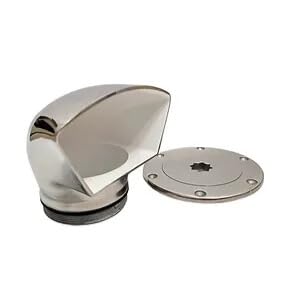
Buchan Marine’s 3″ low-profile vent combines a modern silhouette with 316L stainless construction and a white interior. It’s designed to minimize deck snag areas while delivering reliable airflow belowdecks. Best for serious cruisers and refits where long-term durability matters, especially on boats around the 35–45 ft range. A potential limitation is the moderate deck plate cut-out requirement, which may need careful measuring during installation to avoid gaps or misalignment.
MARINE CITY Intake and Exhaust Cowl Ventilator

MARINE CITY markets a 304 stainless steel vent designed for broad marine use, including boats, yachts, kayaks, and cruisers. The vent combines corrosion-resistant materials with a robust design to support both intake and exhaust ventilation. It is best for owners seeking a versatile vent that can withstand salt spray and provide reliable airflow across different vessel types. A caveat is that stainless steel models can be heavier and may require additional mounting considerations on smaller craft.
Buying Guide: Key Purchase Considerations
Vent location, deck clearance, and airflow requirements drive most decisions. Consider these questions:
- What size opening do I need? Match the vent’s inner diameter to the deck plate cut-out for a clean fit.
- Do I prefer all-metal construction or a budget-friendly PVC option? Metals offer durability against corrosion, while PVC is easier on a tight budget.
- Is a deck plate included? A deck plate simplifies installation and helps protect the vent housing from weather exposure.
- What vessel size and engine heat output should govern airflow? Larger engines or humid climates benefit from higher airflow or multiple vents.
- Will I encounter harsh sunlight? UV resistance affects long-term color and material integrity; UV-resistant plastics or powder-coated finishes are preferable.
- Is weight a concern for your deck structure? Heavier vents require secure mounting and may influence deck loading.
Practical Buying Tips
- Choose a vent with a deck plate that matches your deck cut-out for a neat look and tight seal.
- Prefer corrosion-resistant materials (304/316 stainless or coated aluminum) for saltwater environments.
- Assess warranty and maintenance expectations, especially for outdoor fittings exposed to sun and salt spray.
- Plan for maintenance: check for corrosion, cracks, or buildup of bilge odors and replace if needed.
- Keep spare deck plates or covers on hand for quick replacements during boat maintenance.
FAQ: Common Questions About Cowl Vents For Boats
- What is a cowl vent best used for on a boat?
– It provides passive ventilation by drawing air through the vent and out of the bilge, helping reduce moisture and odors. - Should I choose a stainless steel vent or a plastic one?
– Stainless steel offers greater durability and corrosion resistance in saltwater environments; plastic is lighter and often lower in cost. - Can I install a vent myself, or should I hire a pro?
– Many cowl vents are designed for DIY installation, especially those with snap-on deck plates, but verify deck integrity and watertight sealing requirements. - How many cowl vents does a mid-sized boat typically need?
– It depends on the cabin layout and engine size; common practice is one or two vents per engine room or bilge area. - What maintenance is required for cowl vents?
– Regular inspection for corrosion, cracks, and obstruction; clean interiors and ensure deck plates seal properly. - Are all 3-inch vents compatible with standard deck plates?
– Most standard 3″ openings use a 3-1/2″ deck-plate cut-out; verify exact measurements before purchasing.