Best Composting Toilets for Boats: Reliable Sanitation on the Water
Choosing a composting toilet for a boat requires balancing odor control, size, ease of emptying, and suitability for marine environments. This guide highlights five highly capable options designed for confined spaces, off-grid power, and dependable maintenance. Each entry includes setup notes, odor management features, and portability considerations to help skippers and boaters make an informed choice.
Summary of selected products
| Product | Brand | Key Strengths | Typical Use |
|---|---|---|---|
| OGO Compost Toilet | OGO | Urine separation, odorless operation, sturdy build | Small to mid-size boats |
| Nature’s Head Self Contained | Nature’s Head | Self-contained with spider handle, reliable odor control | Live-aboard boats, cabins |
| Kohree 5.8 Gal Portable Toilet | Kohree | Large capacity, level indicator, easy carry | Deck boats, sailboats, kayaks with temporary head |
| Modiwell Dry Flush Toilet | modiwell | Waterless, one-click flushing, sealed waste bag | Off-grid boats, remote locations |
| Cuddy Lite Portable Compost Toilet | Compo Closet | Liquid-diverting, compact, easy to clean | Smaller boats, campers, vans |
OGO Compost Toilet With Urine Separation
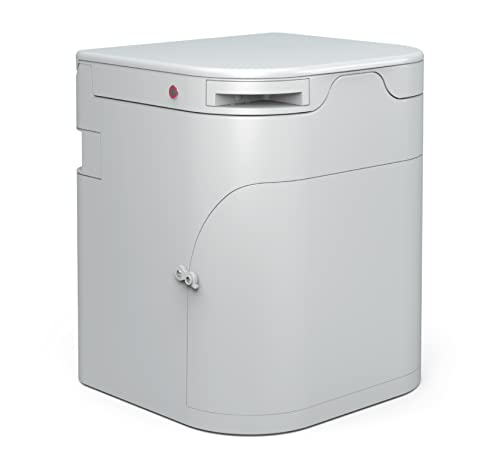
Product overview: The OGO toilet emphasizes odorless operation through a urine separation mechanism. By avoiding chemical additives and excessive water, it reduces the need for dump-station visits and is designed to work independently in compact spaces. Built in Ohio, the unit supports up to 550 pounds and features a removable solids bin and urine bottle for straightforward emptying. Its waste capacity covers approximately 25-30 uses for solids, with a 2.4-gallon urine bottle, making it well-suited for boats where space and maintenance intervals are critical.
Nature’s Head Self Contained Composting Toilet with Spider Handle

Product overview: Nature’s Head offers a self-contained unit known for straightforward installation and robust odor control. While specific feature details are limited in the listing, this model is a staple choice among boaters seeking a compact, reliable composting system with a long-standing reputation in marine environments. It is designed for simple maintenance and effective isolation of waste, making it a common choice for live-aboard boats and sailboats with limited space.
Kohree 5.8 Gal Portable Toilet
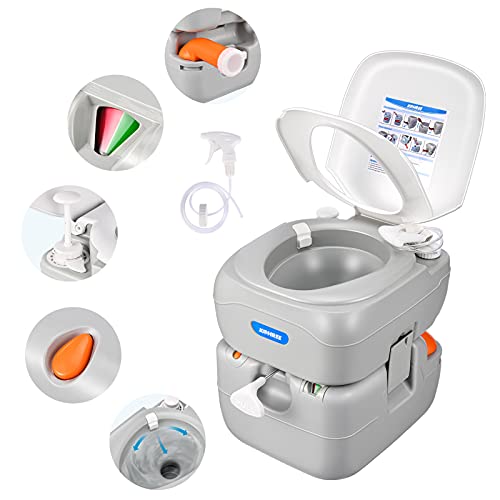
Product overview: Kohree’s portable toilet combines a 5.8-gallon sewage tank with a 14.4-inch by 16.3-inch footprint, offering substantial capacity for boats without frequent emptying. A level indicator helps sailors know when to empty, and the design emphasizes odor control with a leak-proof chamber and sealed valves. It also highlights portability and ease of transport, which can be beneficial for smaller craft or temporary installations where a permanent unit is impractical.
Modiwell Dry Flush Toilet – Waterless

Product overview: Modiwell’s dry flush system provides a waterless, odor-free option with automatic sealing of waste bags. It’s positioned as a smarter alternative to composting or incineration, offering simple one-button operation and a payload capacity supporting up to 350 pounds. The design emphasizes portability and clean maintenance, using sealed waste bags to minimize mess and odors on boats where water and space are at a premium.
Cuddy Lite Portable Compost Toilet
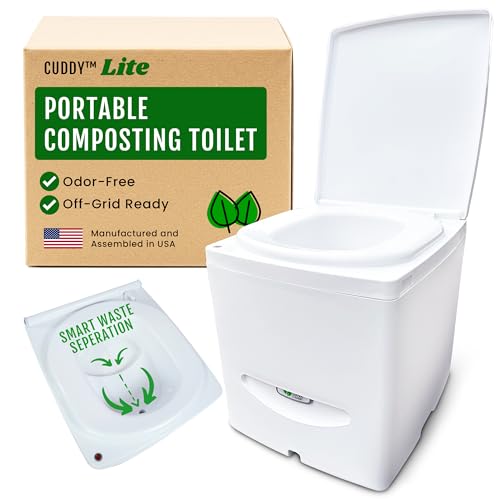
Product overview: Cuddy Lite targets compact living spaces with a liquid-diverting, separating design and a solids cover to aid hygiene. The system is built for travel—whether in boats, campervans, or tiny homes—and emphasizes easy cleaning with a removable solids bin. The unit’s compact footprint and flush-fit or freestanding installation options make it adaptable for tight galley areas on boats.
Buying Guide: Key Purchase Considerations For Boat Use
- Odor control: Look for urine separation, venting, and sealed waste compartments to minimize odors in enclosed cabins or below-deck headspaces.
- Space and installation: Measure available headroom and footprint. Self-contained units can save space, while portable models offer flexibility for smaller boats or temporary setups.
- Maintenance and empties: Consider how often you will need to empty solids and liquids, the ease of removing waste containers, and whether a level indicator is included.
- Power and water use: Electric mixing, fan-assisted odor control, or waterless operation can affect energy use aboard, especially on sailboats with limited electrical capacity.
- Materials and durability: Marine environments demand corrosion-resistant parts and robust housings. U.S.-built or well-supported brands can offer durability and ready parts.
- Waste disposal logistics: Some systems require connections to dump stations; others are entirely off-grid with bagged waste. Decide based on marina amenities and voyage plans.
- Capacity and usage pattern: Choose a model with solids and liquid tank sizes aligned to crew size and trip duration, to balance frequency of emptying and space constraints.
- Ease of maintenance: Removable waste bins, simple cleaning protocols, and readily available replacement parts matter for regular boathouse upkeep.
- Noise and climate considerations: Motor or fan noise, and operations in hot or humid environments, can influence comfort on long passages.
Note: When selecting a composting or dry-flush toilet for marine use, verify compatibility with your vessel type, deck arrangement, and any marine sanitation device (MSD) rules applicable in your cruising area. Always follow local regulations for waste handling and disposal while at sea or in port.