Best Ceramic Coating for Jet Skis and Boats: Top 5 Picks
Answering the need for durable, marine-safe protection, these ceramic coatings are designed for jet skis, boats, and other watercraft. The top picks focus on UV resistance, saltwater durability, and easy maintenance. Best for boat owners seeking long-lasting gloss and hydrophobic protection, and for jet ski owners who want quick, spray-on application with strong water beading.
Summary of selected products:
Brand
| Product | Key Benefit | |
|---|---|---|
| WAVESRX AquaShield+ Ceramic Sealant Spray | WAVESRX | Hydrophobic shield; salt and UV defense |
| CERAKOTE Platinum Rapid Ceramic Sealant | CERAKOTE | High gloss; long-lasting durability |
| Gtechniq Marine Ceramic Top Coat | Gtechniq | Unparalleled dirt repellency; anti-static |
| Meguiar’s Marine & RV Hybrid Ceramic Sealant | Meguiar’s | Versatile protection; easy spray-and-wipe |
| Adam’s Polishes Advanced Graphene Ceramic Spray Coating | Adam’s Polishes | Graphene-based protection; clear UV-trace visibility |
WAVESRX AquaShield+ Ceramic Sealant Spray

Best for owners seeking a professional-grade spray ceramic that creates a slick, glossy nano-coating. The formula uses ceramic nano-technology and Polycharger polymers to form a hydrophobic shield that repels saltwater, contaminants, and UV rays. Easy to apply: spray, wipe with a microfiber towel, and buff to finish on a cool surface. Suitable for boats and jet skis facing salt exposure and sun damage.
Who it’s best for: boaters or jet ski owners who want a quick, wipe-on application with month-long protection and a showroom shine. Limitation: performance can vary with surface condition and temperature; apply to a cool surface for best results.
CERAKOTE Platinum Rapid Ceramic Sealant Spray
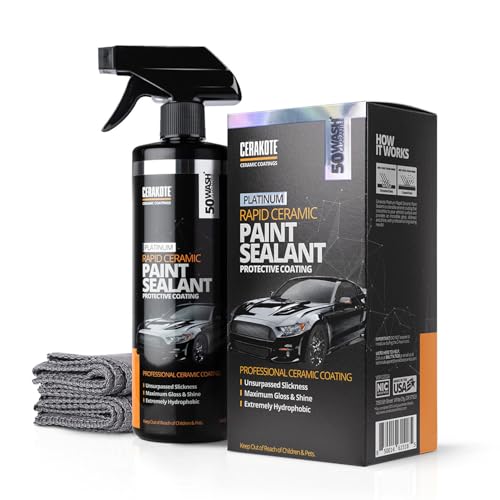
Best for boat owners who want maximum gloss and a long-lasting finish with a simple spray-and-buff method. The product emphasizes a 50-wash duration and extreme hydrophobicity, delivering a mirror-like shine. Easy to apply by spraying a light coat on a panel and buffing to reveal high gloss. Cautions: follow surface prep steps; over-spraying on non-paint surfaces may yield uneven results.
Who it’s best for: DIY enthusiasts seeking high-end gloss with straightforward upkeep. Better for flat or smooth gel coat finishes; may require panel testing on textured surfaces.
Gtechniq Marine Ceramic Top Coat

Best for vessels requiring strong dirt repellency and UV protection with a durable chemical bond to gelcoat or topcoat. It features an anti-static function to reduce dust accumulation and helps keep surfaces cleaner between washes. This coating is designed to form a permanent bond to the surface, potentially offering longer protection on marine finishes. Caution: proper surface preparation is essential for optimal bonding.
Who it’s best for: owners with gelcoat or painted boats that want strong anti-static properties and sustained dirt resistance. Choose this if you prioritize long-term permanence over ease of reapplication.
Meguiar’s Marine & RV Hybrid Ceramic Sealant

Best for a versatile, user-friendly option that works across marine surfaces, including fiberglass and gel coat. The hybrid ceramic sealant promises durable protection with gloss, beading, and UV resistance. It can act as a stand-alone sealant or as a booster for existing coatings, and it’s safe for multiple surfaces like metal, vinyl, and glass. Caution: spray and wipe method requires even coverage to avoid streaks on larger areas.
Who it’s best for: boat and RV owners who want a flexible, easy-to-use sealant that works across many surfaces without complicated steps.
Adam’s Polishes Advanced Graphene Ceramic Spray Coating
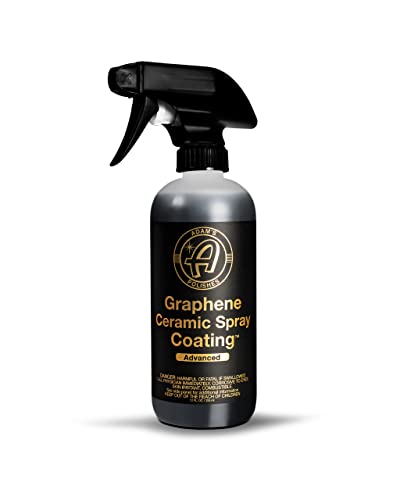
Best for jet skis and boats requiring a graphene-based spray coating with extended protection. It claims to offer 18+ months of protection, with a patent-pending Ceramic Glow Technology to visually trace coverage under UV light. This coating is designed for easy application and quick framing of coverage to ensure a uniform seal. Caution: ensure even application to avoid missed spots when spraying larger surface areas.
Who it’s best for: detail enthusiasts seeking cutting-edge graphene chemistry and visible application tracking for precise coverage.
Buying Guide
What to consider when choosing a ceramic coating for watercraft
- Surface compatibility: Gel coat, fiberglass, painted surfaces, and metal fittings may respond differently to coatings. Look for products explicitly rated for marine use on gel coat and fiberglass.
- Durability and longevity: Marine coatings differ in claimed longevity. Consider the expected protection horizon (months vs. a year plus) and whether maintenance coats are practical for your schedule.
- Ease of application: Spray-on formulas with wipe-and-buff steps are generally quickest, while some coatings require longer cure times or specific prep steps.
- UV and saltwater protection: Saltwater exposure and UV radiation are primary drivers of wear. Prioritize hydrophobicity and UV filtering features in your choice.
- Gloss and beading: If visual impact matters, select products advertising high gloss and strong water beading. Hydrophobic properties help water roll off more easily during use.
- Surface preparation: Some products demand thorough washing, drying, and possibly polishing before application to ensure chemical bonding and maximum performance.
- Reapplication and maintenance: Some coatings offer simple maintenance sprays to refresh the layer, while others are designed for long-term permanence with limited reapplication.
FAQ
- Q: Are ceramic coatings safe for jet skis and saltwater exposure? A: Yes, many marine-rated coatings are formulated to resist salt, UV, and contaminants when applied as directed.
- Q: How long does protection typically last on a jet ski? A: Durability varies; some products advertise several months to over a year with maintenance intervals.
- Q: Do I need professional installation? A: Most consumer marine coatings are designed for DIY use, but proper surface prep and environment conditions affect results.
- Q: Can coatings be applied to fiberglass and gel coat?
- Q: Should I use a separate detail spray after coating? A: Some products serve as standalone sealants, while others can be topped with a maintenance spray for enhanced gloss.
- Q: Is it necessary to use UV tracers to see coverage? A: Some graphene-based products include UV tracers for easier coverage assessment.
A: Yes, many products are designed for fiberglass and gel coat, with safety for multiple marine surfaces.