Best Carbon Monoxide Detectors for Boats and Travel
Answering the needs of boaters seeking reliable CO monitoring, these detectors are designed for portable use, marine environments, or power outages. This guide highlights five models that balance safety, portability, and ease of use on waterways or in cabins. The top picks are best for small to mid-size boats, weekend cruisers, and travelers who want a battery-powered solution without permanent wiring.
| Product | Best For | Key Benefit |
|---|---|---|
| Kidde Carbon Monoxide Detector, AA Battery Powered, Portable for Travel or Home, 85 dB Alarm, LED Status Indications, 3rd Edition | Travelers, boaters needing portability | No wiring; operates on AA batteries |
| MTI Industries 62-541-MARINE-WT Detector Marine Co Alarm White | Small boats; marine use | Marine-grade design; wall/flush placement |
| First Alert CO710 Carbon Monoxide Detector with 10-Year Battery and Digital Temperature Display, White | Home and small cabins on board | Digital display; long-lasting battery |
| MTI Industries 62-542-R-MARINE-WH Detector Marine Co Alarm White | Marine environments; reliability | Marine-grade alarm designed for boats |
| First Alert CO400 Carbon Monoxide (CO) Detector, Battery Operated Alarm, 1-Pack | Budget-friendly marine or travel use | Simple battery-powered CO monitoring |
Kidde Carbon Monoxide Detector, AA Battery Powered
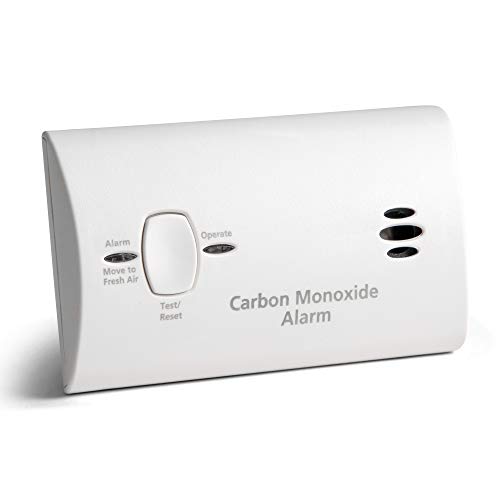
The Kidde model uses an electrochemical sensor to detect carbon monoxide and runs on 2 AA batteries, making it suitable for boats without wiring. It has an 85 dB alarm and LED indicators for power and CO presence. This unit is best for boaters who want a portable detector for cabins, bunks, or temporary boating setups where wiring is impractical. It’s also easy to install on a wall or tabletop.
- Best for: Boaters needing portable, battery-powered protection without electrical installation.
- Why selected: Battery-powered operation ensures monitoring during a power failure, which can occur on boats during storms or power outages.
Caution: Ensure batteries are fresh and test regularly; performance can be affected by extended exposure to damp marine environments if not properly protected.
MTI Industries 62-541-MARINE-WT Detector Marine Co Alarm White

This MTI Marine CO alarm is designed specifically for marine environments, including boat cabins. The model is built to withstand typical boat conditions and provides continuous monitoring. It’s best for boaters who want a marine-rated detector with straightforward installation. It’s a solid choice when you need a dedicated marine CO alarm with a simple interface.
- Best for: Boats requiring marine-specific CO detection with a straightforward setup.
- Why selected: Marine-grade design helps reduce false alarms and withstand humidity common on board.
Caution: This unit may require positioning away from direct sea spray to avoid false readings.
MTI Industries 62-542-R-MARINE-WH Detector Marine Co Alarm White
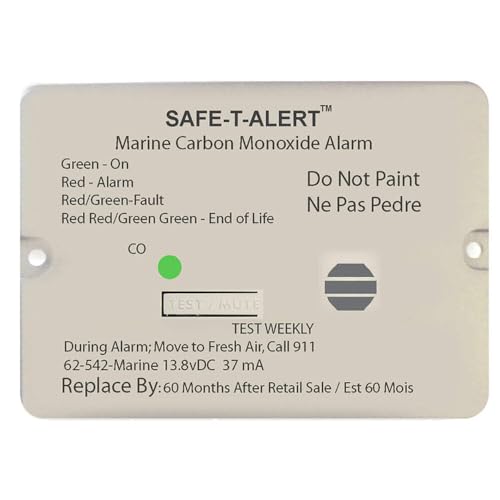
Another MTI option, this marine CO alarm emphasizes reliability in saltwater environments with a white marine-co alarm design. It’s best for boaters who prefer a secondary CO detector in a separate cabin or engine room. The model is selected for its marine-focused features and ease of mounting.
- Best for: Secondary onboard CO monitoring in more than one area.
- Why selected: Provides a dependable marine-rated option to complement other detectors on board.
Caution: Verify mounting location to avoid vibration or humidity-related sensor issues in tight engine rooms.
First Alert CO400 Carbon Monoxide Detector, Battery Operated Alarm
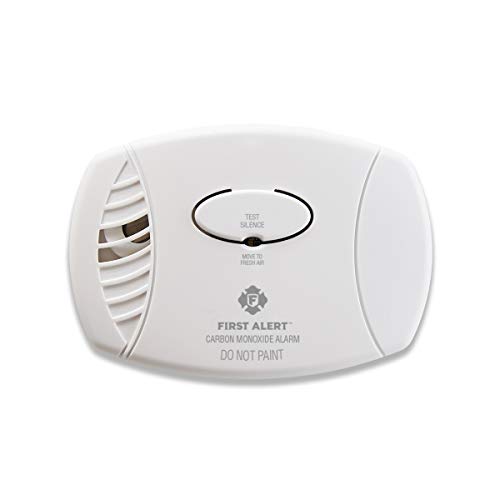
The First Alert CO400 is a battery-operated carbon monoxide detector with an 85 dB alarm. It provides continuous monitoring during outages and is portable enough for travel or temporary boat setups. This model is best for budget-conscious boaters or travelers who want reliable CO detection without wiring or complex installation.
- Best for: Budget-friendly, portable CO monitoring on boats or travel trailers.
- Why selected: Simple installation and long battery life make it a practical backup detector.
Caution: Battery replacement is necessary to maintain ongoing protection; test regularly to ensure alarm function.
Kidde Carbon Monoxide Detector, AA Battery Powered, Travel-Ready COB

This Kitte model, COB, is a compact, travel-ready detector with a loud 85 dB alarm and a LED warning light. It operates on AA batteries and is designed for use on boats where lightweight, portable CO monitoring is needed. It’s a clear choice for travelers and boat owners who value portability as a primary feature.
- Best for: Compact, portable CO detection when space and wiring are limited.
- Why selected: Travel-friendly design that does not require professional installation.
Caution: As a portable detector, ensure it is placed away from direct water exposure and verify battery status before setting sail.
Kidde Carbon Monoxide Detector, AA Battery Powered, Digital Backlit COBD

The COBD model adds a backlit digital display to show CO concentration and status, along with a test/hush button for quick checks. Like other AA-powered detectors, it’s portable and suitable for boats without wiring. This is best for boaters who want a clearer readout of CO levels while underway or docked.
- Best for: Boaters who want a digital readout of CO levels on a compact detector.
- Why selected: The backlit display helps interpret readings quickly in dim cabin areas.
Caution: Readouts can be affected by rapid temperature changes in some marine environments; place the unit where readings remain stable.
Buying Guide: Key Considerations For Boat CO Detectors
- Power source: Decide between battery-powered portability and wired detectors. Battery-powered units stay active during power outages, which is common at sea during storms.
- Marine suitability: For larger boats, choose marine-rated detectors designed to handle humidity, temperature variation, and vibration.
- Sensor type: Electrochemical sensors provide reliable CO detection and longer life for most home and boat environments.
- Alarm and indicators: Look for audible alarms (85 dB or higher) and visual indicators (LEDs or digital displays) for quick interpretation.
- Placement: Install detectors in sleeping areas, living spaces, and engine compartments if possible, ensuring pathways to exit remain clear.
- Maintenance: Regularly test detectors and replace batteries as recommended. For 10-year battery units, note the end-of-life date and replace accordingly.
- Reliability in power outages: On boats, CO detectors that operate on batteries during outages are preferred to ensure continuous monitoring.
- Portability vs. coverage: Portable detectors are ideal for travelers and smaller boats, while multiple marine detectors can improve coverage on larger vessels.
FAQ: Quick Answers For Boat CO Detector Buyers
Do I need a marine-specific CO detector for a boat?
Marine-specific detectors are designed to withstand humidity, salt exposure, and vibration found on boats, which can enhance reliability on water.
What power source is best for boats without shore power?
Battery-powered detectors maintain monitoring during power outages and when not connected to shore power, making them a practical choice for most boats.
How many detectors do I need on a boat?
At least one in sleeping and living areas, with an additional unit in the engine room or cockpit if space allows, to ensure broad coverage.
How often should I test or replace a CO detector?
Test monthly or per manufacturer guidelines. Replace batteries annually or per the device’s maintenance schedule; replace units per the manufacturer’s lifespan (often around 5–10 years).
Can CO detectors be used in travel trailers or RVs?
Yes, many models are portable and suitable for RVs or travel trailers, offering the same safety benefits as on boats.
What indicates a device is failing?
A failure is often indicated by a chirping alarm or a non-responsive display. In such cases, replace batteries and test; if it still fails, replace the detector.