Best Boat Bow Eye Hooks for Secure Towing and Rigging
Finding the right bow eye hook is essential for safe towing, docking, and securing marine gear. This guide highlights five reliable bow eye options and explains who each is best for. Whether you’re outfitting a small dinghy or a larger vessel, these picks balance durability, ease of installation, and corrosion resistance for American waters.
Buyer note: Bow eyes are often used to attach tow lines, trailer winches, or deck hardware. Look for stainless steel or corrosion-resistant finishes for longevity in saltwater environments. The following table summarizes the recommended products and their ideal use cases.
| Product | Best For | Why It Was Selected |
|---|---|---|
| Seachoice Stainless Steel Bow Eye, 1/2 In. X 4-3/4 In. Thread | Rugged towing on smaller watercraft | Solid face plate, standard 1/2″ size; simple, durable design for tow lines or trailer hooks |
| Seachoice Single Shank Bow Eye, 3 in. Shank, 1 in. Eye | Bow or transom mounting on mid-size boats | Long shank provides mounting versatility; strong for tow lines and winch hooks |
| Extreme Max 3006.6768 Bow Eye, 1″ Eye | Heavy-duty installations on larger craft | One-piece stainless construction; robust for higher load towing |
| Seachoice Stainless Steel Bow Eye, 1/2 In. X 3-7/16 In. Thread | Compact, secure attachment for small to mid-sized boats | Smaller threaded option with a compact face plate; easy to install in tight spaces |
| ISURE MARINE Bow Eye, 3″ Shank, 1″ Eye | Rust-resistant option for OEM or custom rigging | 316 stainless steel, designed for tow lines and trailer winch hooks |
Seachoice Stainless Steel Bow Eye, 1/2 In. X 4-3/4 In. Thread
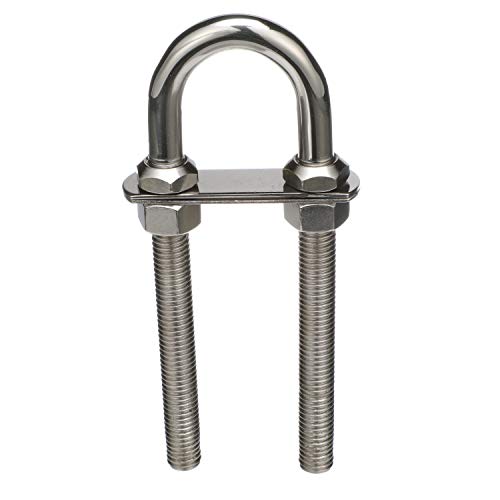
Key features: ½ inch size; ¾ inch x 3 inch face plate; designed to secure tow lines or trailer winch hooks. Best for smaller craft or as an easy upgrade where a standard bow eye is required. Best for: casual speedboats and fishing boats needing quick, reliable line attachment. Limitation: threaded length is fixed, which may not fit some custom transom setups.
Seachoice Single Shank Bow Eye, 3 in. Shank

Key features: 3 in. shank; 1 in. eye diameter; suitable for bow or transom mounting. Best for: mid-sized boats that require a longer mounting base for improved load distribution. Better for: boats with existing hardware spacing needing secure anchor points. Caution: ensure hole spacing matches the shank length for proper fit.
SeaSense 3/8″ Bow Eye
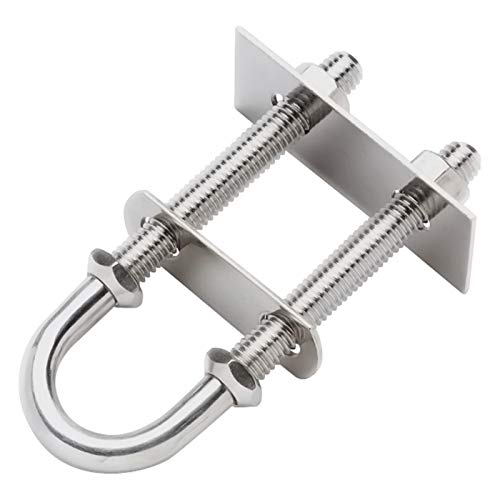
Key features: 3/8″ stainless steel; grey finish; general purpose fishing equipment alignment. Best for: lighter boats or as a budget-friendly alternative for basic tow line attachments. Limitation: smaller diameter may limit maximum line strength and load compared with larger models.
heyous Stainless U Bolt Bow Eye Set
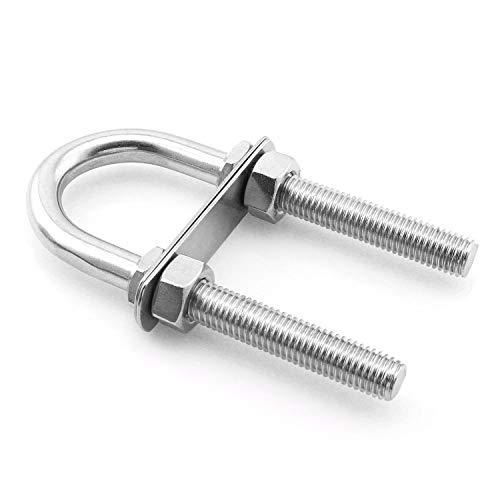
Key features: 1/2″ dia, 3″ thread length; includes U-bolt, flanges, and nuts; designed for highly corrosive marine environments. Best for: deck hardware upgrades or replacement where multiple fasteners are needed. Caution: U-bolt assembly requires precise alignment; ensure seawater exposure and bolt material compatibility with your boat’s deck.
Extreme Max 3006.6768 Bow Eye, 1″ Eye

Key features: One-piece stainless steel; 1″ interior eye diameter; 2-3/4″ threaded shank. Best for: larger boats needing a robust eye with a generous load path. Better for: installations where a larger eye improves hitch alignment and reduces line wear. Limitation: heavier and larger than ½” options; may require more deck clearance.
Seachoice Stainless Bow Eye, 1/2 In. X 3-7/16 In. Thread

Key features: ½ inch size; 3-7/16 inch thread; face plate ¾ inch x 3 inch. Best for: standardized installations where thread length influences secure mounting. Choose this if you need a reliable option with established compatibility. Caution: confirm thread compatibility with your hardware before purchase.
ISURE MARINE Bow Eye, 3″ Shank
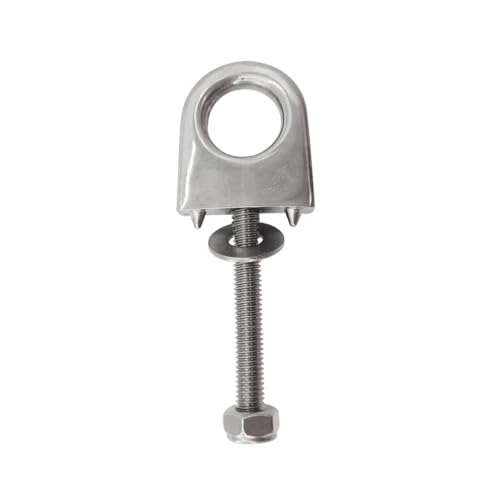
Key features: 316 stainless steel; 3″ shank; 1″ eye diameter; corrosion resistant. Best for: OEM replacements or new builds requiring high corrosion resistance and longer mounting base. Better for: harsh marine environments where rust resistance is critical. Limitation: 316 stainless is premium and may be pricier than standard 304 options.
Buying Guide: How to Choose The Right Bow Eye Hook
- Material and corrosion resistance: For saltwater docks and frequent exposure, stainless steel (prefer 316-grade) offers superior rust resistance.
- Eye diameter and thread length: A larger eye accommodates heavier lines; match thread length to deck thickness and mounting hardware to ensure a secure fit.
- Shank length and mounting style: Longer shanks distribute load and reduce stress on deck mates; ensure the bow eye matches your boat’s mounting location and existing holes.
- Load considerations: Consider the expected towing or securing loads. Heavier loads benefit from one-piece or forged constructions rather than multi-piece assemblies.
- Installation space: Some models with compact faces fit tight transoms; others require more surface area for mounting plates.
- Maintenance: Look for designs with easy cleaning and corrosion resistance; inspect fasteners and replace hardware showing corrosion.
Frequently Asked Questions
- What is a bow eye hook used for?
It provides a secure attachment point for tow lines, winches, or rigging on a boat’s bow or transom.
- Which bow eye is best for saltwater boats?
316 stainless steel options offer superior corrosion resistance in saltwater environments.
- Should I choose a longer shank?
A longer shank can help distribute load across a larger deck area and aid mounting flexibility, but fit matters; ensure space and hole patterns align.
- What size bow eye do I need?
Choose an eye diameter that matches your tow lines or winch hooks; a larger eye handles heavier lines and reduces wear.
- Can bow eyes be used as stern eyes?
Some models are designed for both bow and stern mounting, but verify the intended mounting location and hardware before use.
- Do all bow eyes include mounting hardware?
Many do not; verify if flanges, nuts, or U-bolts are included and compatible with your deck thickness.