Best Ballast Pumps for Boats: Top 12V Livewell Solutions
Ballast pumps are essential for maintaining balance, controlling water levels, and ensuring optimal performance on boats with livewells. The following selections come from trusted brands and are suited for 12V electrical systems, offering reliable flow rates, durability, and simple installation. Each option is evaluated based on performance, build quality, and versatility to handle ballast filling, draining, or bilge tasks.
The table below summarizes five strong contenders drawn from a variety of popular models. It provides quick at-a-glance comparisons to help you pick the right pump for your vessel and typical ballast needs.
| Product | Brand | Flow (GPH) | Voltage | Notes |
|---|---|---|---|---|
| Shurflo by Pentair Piranha 1100 | SHURFLO | 1100 | 12V | High capacity ballast pump with removable cartridge |
| Attwood Tsunami T800 Aerator Pump | Attwood | 800 | 12V | Compact, reliable aeration for livewells |
| SEAFLO 12V 8.0 GPM Reversible Pump | SEAFLO | ~480 GPH (8 GPM) | 12V | Reversible operation for ballast fill/drain |
| Johnson Pumps Rogue Ballast Pump | Johnson Pump | 13.5 GPM | 12V | Wakeboard/bilge-oriented with fill and reverse |
| Shurflo Piranha Ballast 800 | SHURFLO | 800 | 12V | Rugged housing and anti-airlock feature |
Shurflo Replacement Kit for Livewell Ballast Cartridge

The Shurflo Livewell Aerator Cartridge kit is a 12V replacement option designed for 800–1100 GPH ballast systems. While compact, its packaging dimensions indicate suitability for tight bilge or livewell spaces. Compatibility with SHURFLO’s ballast systems makes it a practical maintenance option for restoring flow and aeration performance.
Attwood Tsunami T800 Aerator Pump
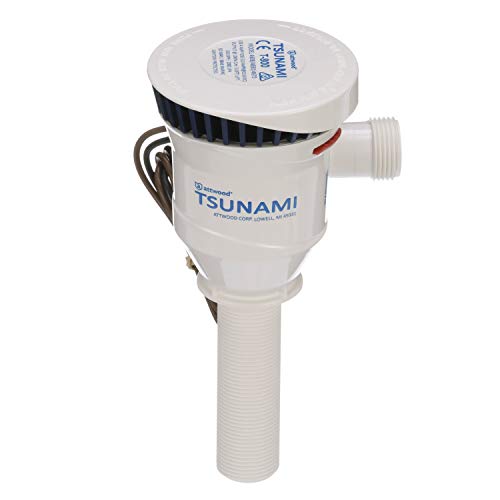
The Attwood Tsunami T800 delivers up to 800 GPH and is engineered for reliability in livewell applications. It features a compact form factor with a 3½-inch inlet and a ¾-inch outlet, plus a 29-inch wiring harness. This pump is designed for consistent aeration and dependable operation in cramped compartments.
SEAFLO 12V 8.0 GPM Reversible Pump

SEAFLO’s reversible ballast pump combines 8 GPM flow with a self-priming design and a 4-foot priming capability. The model features a rubber/copper impeller and stainless-steel shaft, making it versatile for ballast filling, draining, or bilge use. It’s designed to operate efficiently within open-water systems and tight installations alike.
Johnson Pumps Rogue Ballast Pump
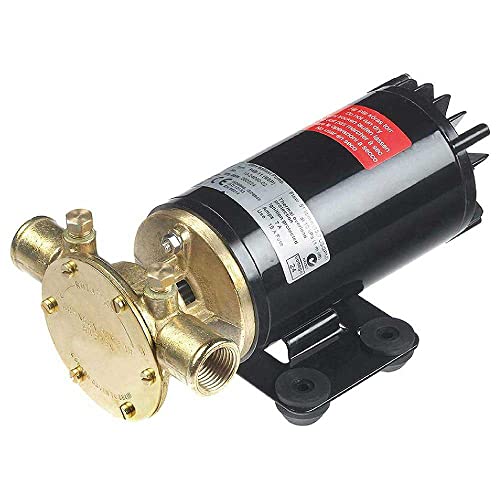
The Rogue ballast pump from Johnson Pumps offers 13.5 GPM of flow with a 12V supply. It is designed for wakeboard boats and features a run-dry impeller and reverse pumping capabilities. This pump balances higher flow with rugged construction to support frequent ballast cycling in sport boats.
Shurflo Piranha Ballast 1100 Pump

Shurflo’s Piranha 1100 ballast pump delivers robust 1100 GPH flow in a compact 12V package. Its high-density nylon housing and cooled motor emphasize durability in demanding marine environments. An integrated anti-airlock feature helps ensure consistent priming under varying load conditions.
Rule Wakeboard/Ballast Pump (Jabsco)

Rule’s wakeboard/ballast pump concept focuses on rapid fill and relatively quick drain capability. With a 9 GPM flow and reversible action, it’s suitable for small ballast tanks or quick ballast cycling on compact boats. The unit is designed to deliver dependable performance in salt or freshwater use.
Buying Guide: Key Purchase Considerations
When choosing a ballast pump for a boat, several factors influence long-term performance and reliability. The following considerations cover multiple angles to help buyers balance cost, durability, and ease of use.
- Flow rate and ballast needs: Higher GPH pumps move more water quickly, which is beneficial for larger ballast tanks. Smaller boats may prioritize compactness and efficiency with moderate flows.
- Voltage and compatibility: Most marine ballast pumps operate at 12V DC. Verify the boat’s electrical system capacity and wire gauge to avoid overloading fuses and wiring.
- Priming and self-priming distance: A pump that self-primes up to a few feet reduces installation constraints and improves reliability in tight bilges.
- Durability and materials: Nylon housings, stainless shafts, and corrosion-resistant components extend life in humid, saltwater environments.
- Reverse or dual-direction capability: Reversible pumps offer flexibility for both filling and draining ballast, simplifying installation and reducing hardware needs.
- Maintenance access: Removable motor cartridges or easy-access housings simplify cleaning and service, helping prevent clogging and airlocks.
- Mounting and wiring: Look for compact form factors with integrated mounting options and ample wire length to accommodate boat layouts.
- Noise and vibration: Pumps with good mounting and balanced motors reduce vibration, contributing to a quieter cabin and reduced wear.
- Warranty and support: Brands with clear warranty terms and accessible support tend to provide longer-term value for boating applications.
In practice, most boaters favor a balance of high reliability and straightforward maintenance. For livewells, consider pumps with strong flow and a proven anti-airlock design. If space is tight, prioritize compact models with good inlet/outlet compatibility. For larger ballast tanks or frequent use during tournaments, a higher GPH option paired with durability features is advantageous.