Best Antifouling Paint for Boats: Top Choices for Saltwater and Freshwater Sails
Answering the common buyer question: which antifouling paint works best for keeping hulls clean across seasons? This guide focuses on bottom paints that deter barnacles, weeds, and slime, while fitting different hull materials and boating needs. The highlighted options are well-suited for fiberglass, wood, steel, and aluminum bottoms. Ideal buyers include frequent saltwater users, casual weekend sailors, racing yachts, and commercial or work boats seeking economical protection. Below is a concise comparison and direct product details to aid selection.
| Product | Brand | Best For |
|---|---|---|
| TotalBoat Underdog Marine Antifouling Bottom Paint (Black, Gallon) | TotalBoat | Frequent saltwater use on fiberglass, wood, steel; budget-conscious crews |
| TotalBoat JD Select Ablative Antifouling Bottom Paint (Black, Quart) | TotalBoat | Low-odor, eco-conscious marinas; easy cleanup; light ongoing protection |
| Rust-Oleum 396967 Marine Flat Boat Bottom Antifouling Paint (Quart, Black) | Rust-Oleum | Fiberglass, wood, or steel surfaces; quick recoat and fast launch |
| TotalBoat Underdog Marine Antifouling Bottom Paint (Blue, Gallon) | TotalBoat | Similar value to black; for varied color options and frequent use |
| TotalBoat JD Select Ablative Antifouling Bottom Paint (Blue, Gallon) | TotalBoat | Low-odor, water-based option with easy cleanup; marina-friendly |
TotalBoat Underdog Black — Gallon
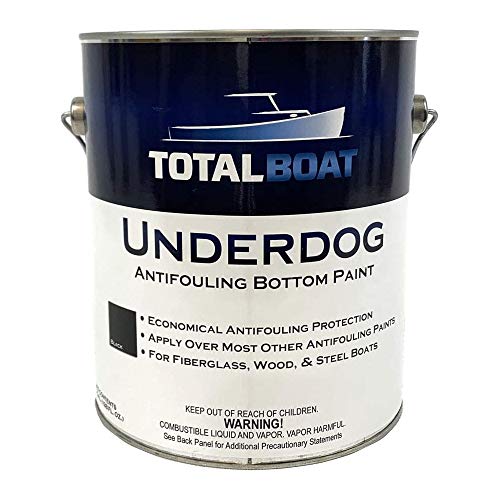
Best for boats that spend regular time in saltwater and require economical, season-long protection. The copper biocide deters barnacles and mussels and suits fiberglass, wood, steel, and iron bottoms. The ablative formulation wears away as the boat moves, reducing paint buildup for the next season. Choose this if you want a straightforward single-season antifouling with minimal maintenance. Caution: not ideal if you require multi-season protection without reapplication in high-fouling waters.
TotalBoat JD Select Black — Quart

This ablative, self-polishing paint is designed to shed the coating over time, keeping a smooth hull with less sanding next season. It’s ideal for fiberglass, wood, and steel boats in salt or fresh water. Benefits include low odor and low VOCs, with easy soap-and-water cleanup. Best for marinas with environmental restrictions. Caution: can wear faster in heavy-wound conditions requiring more frequent reapplication than non-ablative formulas.
Rust-Oleum Marine Flat Bottom Paint — Quart

Best for versatile application on fiberglass, wood, or steel with a copper-releasing formula that reduces fouling below the waterline. Recoating is possible in about 4 hours, and launch readiness is around 16 hours, with coverage up to 110 sq ft. Choose this if you want a straightforward, fast-turnaround option with broad surface compatibility. Limitation: coverage may vary with surface condition and climate; test on a small area first.
TotalBoat Underdog Blue — Gallon

Best for sailors seeking an economical option with similar performance to the black variant. The copper biocide prevents barnacle adhesion while releasing fresh biocide as water flows under the hull. Suited for boats used in saltwater conditions, with a focus on ease of maintenance and simple reapplication for the following season. Caution: ensure proper surface prep for maximum adhesion and consider color choice for visibility during inspections.
TotalBoat JD Select Blue — Gallon

This ablative antifouling paint is designed to progressively wear away as the boat moves, minimizing coating buildup and easing sanding next season. It shares low odor and low VOCs with a user-friendly cleanup. Best for boats in salt and fresh water that want a compliant, marina-friendly product. Limitation: blue color may require more frequent touch-ups in high-growth environments for consistent appearance.
TotalBoat Spartan Black — Quart

Best for multi-season protection and high-fouling environments, Spartan features a high copper content for robust antifouling performance. The copolymer ablative formula provides continuous protection whether at anchor or underway, with the option to burnish for a racing finish. If you haul a boat for extended periods, you can scuff lightly to reactivate antifouling. Caution: higher copper content may affect certain sensitive marine environments; verify local regulations before use.
Buying Guide
What should you consider when choosing antifouling paint?
- Hull material compatibility: Most options work on fiberglass, wood, steel, and aluminum. Check specific product notes for metal corrosion considerations.
- Water type and usage: Saltwater-heavy use often benefits from stronger antifouling; fresh water may allow gentler formulations.
- Ablative vs non-ablative: Ablative (self-polishing) coatings shed over time, reducing buildup; non-ablative options stay intact longer but may require more sanding later.
- Odor and environmental impact: Low-VOC and low-odor formulations simplify marina compliance and cleanup.
- Recoat and launch timing: Some products allow quick recoat windows; others require careful curing times before launch.
- Color and visibility: Dark colors help inspect fouling but may affect heat absorption and corrosion risk on certain hulls.
- Maintenance plan: Consider expected season length, annual repaint frequency, and surface prep requirements.
FAQ
- Q: What is the main difference between ablative and hybrid antifouling paints? A: Ablative coatings wear away over time, exposing fresh biocide, while hybrid blends aim to balance self-polishing with durable film integrity.
- Q: Can I use antifouling paint on aluminum or pontoon boats? A: Yes, several TotalBoat and Rust-Oleum products are formulated for aluminum and pontoon surfaces; follow product-specific prep guidance.
- Q: How long before launching after applying antifouling paint? A: Dry times vary; most options specify a minimum cure or recoat window before launch, often within a day or two depending on conditions.
- Q: Is low-odor or low-VOC antifouling paint better for marinas? A: Low-odor and low-VOC products are generally preferable in marina environments due to environmental restrictions.
- Q: How often should antifouling paint be reapplied? A: Reapplication timing depends on water conditions, hull use, and product type; ablatives typically require annual refresh, while multi-season blends may extend intervals.
- Q: Should I remove old coating before reapplying? A: Surface prep is crucial for adhesion; follow the product’s guidelines for stripping or scuffing prior to new coats.