Best Anchors for Pontoon Boats: The Right Picks for Calm Lakes and Currents
Finding the right anchor for a pontoon boat depends on your typical waters and boat size. This guide highlights five anchors that perform well on pontoons, dinghies, and small fishing vessels, with clear notes on who each is best for and potential limits. Whether you’re docking in a calm lake or braving stronger currents, you’ll get concise, comparison-friendly details to help you choose. The selections cover compact kits, heavy-duty river anchors, and versatile mushroom-style options for varied bottoms.
| Product | Best For | Bottom Type | Weight |
|---|---|---|---|
| JY PERFORMANCE Boat Anchor Kit (5 lb) | Small pontoons and shallow-water use | Sand, mud | 5 lb |
| VEVOR River Anchor (30 lb) | Medium to larger pontoons in rivers or lakes | Mud, sand, and rocky bottoms | 30 lb |
| SeaSense River Boat Anchor (12 lb) | Pontoons and bass boats in rivers/laster currents | Sand, mud, weed | 12 lb |
| Seachoice River Anchor (20 lb) | Versatile inland water use | Sand, mud | 20 lb |
| Better Boat River Anchor (20 lb) | Heavy-duty hold for larger pontoons | Mud, debris | 20 lb |
JY PERFORMANCE Boat Anchor Kit for 8-16 ft Boats

Best for small pontoons or dinghies in calm to moderately calm waters. This all-in-one kit includes a 5 lb galvanized fluke anchor, 6.5 ft chain, 2 D-ring shackles, and 100 ft of nylon rope, making it a convenient, ready-to-use option. The fluke design helps bite into sand or mud, while the weighted chain improves holding power. Suitable for lake days, coastal cruising, and light offshore use when weather and currents are mild. Caution: not ideal for strong currents or rocky bottoms where heavier gear is needed.
VEVOR River Anchor (30 lb)

Best for medium to larger pontoons operating in rivers or lakes with variable bottoms. The 30 lb river anchor uses a mushroom-style head designed to grip in sand, mud, and vegetation, plus a robust eyelet attachment for quick tethering to chain or rope. It’s most effective where currents are present but bottom or obstructions are not extreme. Caution: larger size adds weight and storage considerations; use with appropriate line length to maintain efficiency in deeper water.
SeaSense River Boat Anchor (12 lb)

Best for pontoons and small fishing boats in rivers or dynamic waters. This cast iron anchor with black vinyl coating resists scuffs and protects hulls, while the mushroom-plus-fluke design improves bottom penetration for varied substrates. It holds well in protected inland waters and can tolerate modest currents. Caution: heavier than typical mushroom anchors, so plan for storage on pontoon deck or bow locker.
Seachoice River Anchor (20 lb)
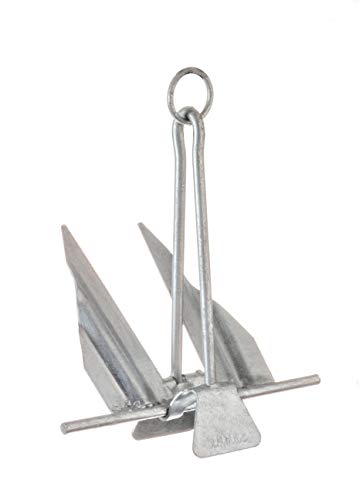
Best for inland boating where dependable holding power in a range of bottoms matters. This one-piece cast iron anchor features a large eyelet for easy attachment to rope or chain, and robust construction. It’s a practical choice for pontooners who regularly fish or raft in protected waters with mud and sand bottoms. Caution: heavier weight means more storage considerations on smaller pontoons.
MARINE SYSTEM Fluke Anchor Kit (8 lb)
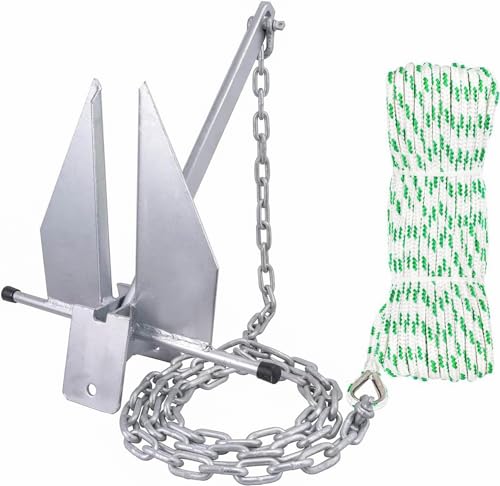
Best for smaller pontoons and boats up to around 12–22 ft that need a compact kit with chain and rope. This kit includes an 8 lb hot-dipped galvanized fluke anchor, a 6.5 ft chain, and 75 ft of 3/8″ nylon rope with a marine-grade stainless steel thimble. It’s a reliable, all-inclusive option for everyday harbor or lake use. Caution: some users may prefer longer rope for deeper waters.
Better Boat River Anchor (20 lb)

Best for larger pontoons or boats operating in mixed bottoms, including mud and debris. This vinyl-coated cast iron mushroom anchor combines suction features with fluke digging to resist dragging in current. A bow shackle is included for simple attachment, and the coating protects gel coat and hull. Caution: 20 lb weight requires adequate storage and handling on smaller pontoons.
Buying Guide: Key Purchase Considerations
- Boat size and typical water: Match anchor weight and kit complexity to your pontoon length and the usual bottom conditions.
- Bottom type: Sand and mud hold many mushroom or fluke anchors well; rocky or weedy bottoms may require stronger, dual-geometry anchors.
- Attachment hardware: Look for included chain, shackles, and ropes sized for your line to maximize holding power and ease of retrieval.
- Storage and handling: Larger anchors need deck or bow locker space; consider folding or compact designs for smaller pontoons.
- Portability vs. durability: Lighter kits are easier to move, but heavier anchors hold better in currents or wind. Choose based on risk tolerance and typical conditions.
- Ease of use: Consider slip rings or easy retrieval features if you need quick release or re-deployment in dynamic waters.
Frequently Asked Questions
- What size anchor should I use on a small pontoon boat? Answer: For pontoons under 16 feet, a lighter anchor kit (5–12 lb) can be sufficient in calm waters, with heavier options for stronger currents or larger pontoons.
- Is a chain important for pontoon anchors? Answer: Yes, a short chain improves hold and protects rope from wear, especially in rocky or sandy bottoms.
- How do I choose between a fluke and a mushroom anchor? Answer: Fluke anchors dig in sand or mud, while mushroom anchors grip more in soft bottoms; combination designs can offer versatility for mixed substrates.
- Can I use a river anchor on a lake? Answer: Yes, for calm to moderate currents; ensure the anchor weight is balanced with boat size and expected conditions on the lake.
- What should I consider for storage on a pontoon? Answer: Look for compact, foldable, or shorter-ensemble anchors to fit bow lockers or under-seat storage without affecting balance.
- Do I need a specialized anchor for weed or rocky bottoms? Answer: Some anchors are designed to penetrate weed and rocky bottoms; combine with suitable rope and a robust shackle for best results.