Best Aluminum Boat Bow Eye Options for Secure Towing and Docking
Answering the common buyer question: which aluminum bow eye is best for towing, anchoring, and bow attachments on small to mid-size boats? This guide highlights five durable picks, each suited to different needs—from corrosion resistance and weldability to bolt-on installation. Use this to compare strength, mounting style, and compatibility with common deck hardware.
Summary table of chosen products:
| Product | Brand | Mount Type | Key Benefit |
|---|---|---|---|
| Seachoice Single Shank Bow Eye | SEACHOICE | Shank | Compact, versatile bow or transom mounting |
| Hillside Castings Aluminum Heavy Duty Pontoon Bow Eye Lug | Hillside Castings | Weld-on Lug | Heavy duty, pontoon-ready lifting eye |
| Hillside Castings LLC Cast Aluminum Bow Eye Weldable Tie Down | Hillside Castings | Weldable U-Bottom | Premium weldable tie-down bow eye |
| Hillside Castings LLC One Pair Weldable Tie Downs | Hillside Castings | Weldable Tie Downs | Convenient pair for deck anchoring |
| ISURE MARINE Aluminum Bow Eye | ISURE MARINE | Bolt-on/Weldable options | Corrosion-resistant aluminum with simple install |
Seachoice Single Shank Bow Eye

Features: Desinged for securing tow lines or attaching trailer winch hook; suitable for bow or transom mounting; shank length 3 inches, 3/8 inch diameter. Best for general use on small to mid-sized boats where a simple, robust shank eye is needed. Best for boaters who prioritize simplicity and compatibility with common tow lines and winch hooks. Caution: ensure shank diameter matches your hardware to avoid fit issues.
Hillside Castings Aluminum Heavy Duty Pontoon Bow Eye Lug
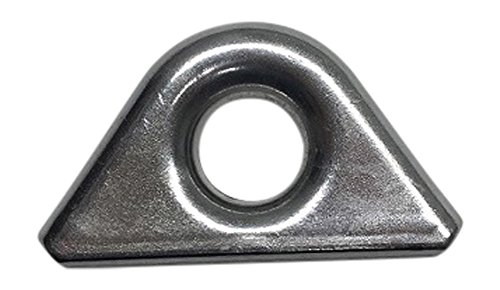
Features: Cast aluminum weld-on lift up or tie down pontoon bow eye. Designed for heavy-duty lifting and securing on pontoon boats. Best for owners needing a strong weld-on option that endures dock work and lift routines. Better for pontoon configurations where ballast and lashing require a robust lug. Limitation: weld-on installation requires appropriate fabrication steps and space on the bow.
Hillside Castings LLC Cast Aluminum Bow Eye Weldable Tie Down
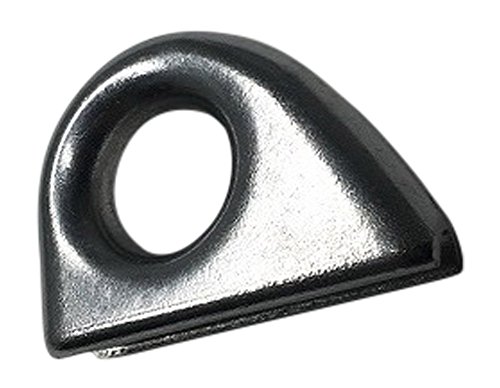
Features: Cast aluminum U-bottom bow eye; weldable tie-down capability. Best for projects that require a secure, weldable anchor point with a low profile. Choose this if you prefer a welded connection to prevent movement under load. Caution: requires welding by a qualified person to ensure proper strength and alignment.
Hillside Castings LLC One Pair Cast Aluminum Bow Eye or Weldable Tie Downs

Features: One pair of aluminum weldable tie downs; MADE IN AMERICA. Best for boat builders or owners who want to quickly install two secure tie-down points on the bow. Use these where a symmetrical, reinforced setup matters. Caution: requires welding or bolt-on alternates if the local hull design prohibits welds.
ISURE MARINE Aluminum Bow Eye

Features: Aluminum bow eye with heavy-duty bolt-on capability; corrosion-resistant and durable for saltwater use. Best for users who want a lightweight, corrosion-resistant option with straightforward installation. Choose this if you need a simple bolt-on solution that resists rust. Caution: ensure your deck thickness and bolt length match the product specifications to avoid misfit.
Buying Guide
What mounting method should you choose?
- Weldable bow eyes provide the strongest permanent connection but require welding expertise. Best for rebuilt or professional installations where a secure, sealed attachment matters.
- Bolt-on bow eyes are simpler to install and remove; ideal for temporary setups or boats without welding access. Check bolt diameter and length to match deck thickness.
- Lug-style and U-bottom designs offer different load paths. Lugs are common on pontoon setups, while U-bottom eyes can reduce wobble under tension.
Material considerations:
- Aluminum provides corrosion resistance and lighter weight, suitable for saltwater or freshwater use when paired with appropriate coatings.
- Stainless steel offers higher corrosion resistance in harsh environments but can be heavier and more expensive.
Fit and compatibility:
- Shank diameter and eye diameter should match your rope, line, or hook hardware. Smaller diameters fit lighter lines; larger diameters support heavier gear.
- Shank length should clear the deck and leave space for hardware like trailer hooks or winches without interference.
Installation tips:
- Verify hull stress points and ensure the mounting location has adequate backing for the load.
- For weldable options, have a professional complete the welds to ensure structural integrity.
- Regularly inspect the eye for cracks or corrosion, especially in marine environments.
Frequently Asked Questions
- What is a bow eye used for?
A bow eye is a securing point on a boat’s bow or transom used to attach tow lines, lift lines, or trailer hooks.
- What mounting is easiest for beginners?
Bolt-on bow eyes are generally easier for DIY installations, requiring only matching hardware and basic tools.
- Are aluminum bow eyes suitable for saltwater?
Yes, aluminum bow eyes resist corrosion well in marine environments when properly finished, but stainless steel is another option for extra protection.
- What should I consider when choosing weldable vs. bolt-on?
Weldable eyes are stronger and permanent, best for permanent installations; bolt-on eyes offer flexibility and easier replacement.
- How do I determine the correct eye diameter?
Match the eye diameter to your rope or hook size to ensure secure attachment and avoid slippage.
- Do I need professional help to install a weldable eye?
Yes, welding requires proper technique and may affect hull integrity if done incorrectly.