Best Aerator Pumps for Bass Boats: Choose the Right Livewell Companion
When shopping for an aerator pump for a bass boat, your goal is reliable oxygenation for live bait and kept-catch without draining your battery. The top picks below are suited for different boat sizes and livewell configurations. This guide highlights models that deliver steady water flow, easy maintenance, and compatibility with typical 12V systems. Read on to find out which pump is best for your needs, whether you bass-fish from a compact inflatable or a mid-sized bass boat with multiple livewells.
Summary table of selected products:
- SEAFLO 04 Series 800 GPH — Best for high flow, mid-size livewells; 4-year warranty.
- Amarine Made 12V 800 GPH — Compact, versatile, easy maintenance; submersible.
- Marine Metal B-15 Aeration System — Quiet operation; good for small to medium livewells; low current draw.
- Attwood Tsunami T500 Aerator Pump — Reliable 500 GPH; compact for tight spaces.
- Frabill Insulated Bait Bucket With Aerator — All-in-one option for bait storage and aeration.
SEAFLO 04 Series 800 GPH Livewell Aerator Pump

The SEAFLO 04 Series delivers 800 GPH with a 12V DC motor and a 13 ft head, making it suitable for mid-sized livewells on bass boats. The unit uses a replaceable cartridge motor and offers a 4-year warranty, signaling long-term reliability for anglers on extended trips. Best for anglers who need strong oxygenation without frequent replacements in salt or freshwater environments.
Who it’s best for: mid-size livewells on boats that run salt or freshwater and require consistent water turnover. Why selected: high flow with durable construction and a long warranty.
Caution: ensure the ¾” NPT outlet matches your plumbing fittings; improper fit can cause leaks or restricted flow.
Amarine Made 12V 800 GPH Livewell Pump

The Amarine Made unit is a compact 12V livewell pump rated at 800 GPH with a 125mm long 90° intake, and interchangeable outlet configurations. It features a fully submersible design and tin-coated wiring for safety, plus corrosion-resistant components suitable for both salt and freshwater. Best for tight spaces where a flexible outlet setup helps with plumbing routing.
Who it’s best for: boats with limited mounting room or odd-shaped livewells. Why selected: flexibility in intake/outlet options and easy maintenance by removing the cartridge.
Caution: check whether your transom clearance supports the included 90° intake orientation when planning fitment.
Marine Metal B-15 Aeration System
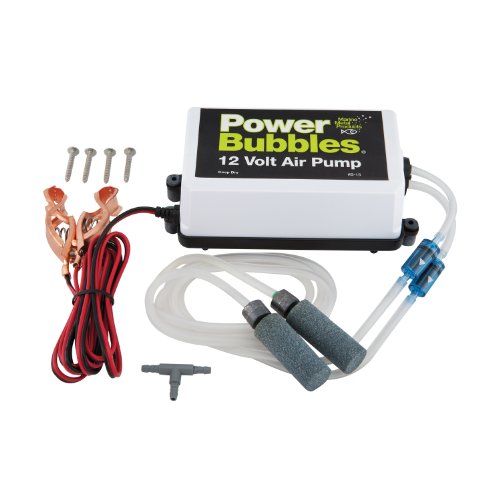
The Marine Metal B-15 12V aeration system focuses on steady oxygenation with low power consumption, designed to keep bait and catch lively in 1–2 live wells up to 35 gallons each. It operates on 12V DC and is suitable for both saltwater and freshwater use. Best for anglers who want a quiet, low-draw aerator with robust performance in small to medium livewells.
Who it’s best for: boaters who value quiet operation and energy efficiency. Why selected: strong oxygenation with minimal current draw for extended trips.
Caution: not the highest flow option; for very large livewells, consider higher-GPH models.
Attwood Tsunami T500 Aerator Pump
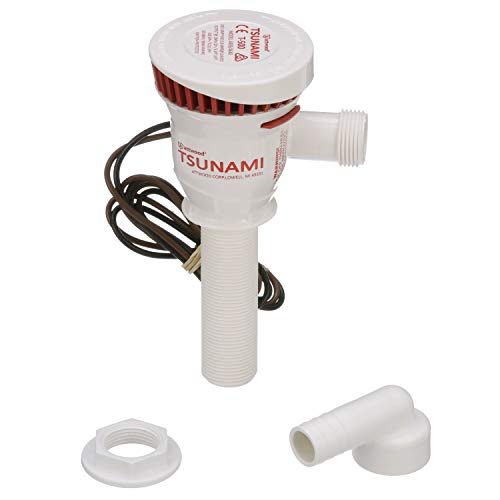
The Tsunami T500 is a compact 500 GPH pump, designed for reliable aeration in confined spaces such as a livewell. It provides 13.6V DC operation with a 3 ½-inch long inlet and a ¾-inch threaded outlet. This model is a dependable option for smaller livewells or when space is critical. Best for: smaller boats or livewells where space and straightforward plumbing matter.
Who it’s best for: anglers with limited livewell space who still need consistent aeration. Why selected: compact design and proven reliability in tight installations.
Caution: lower flow than higher-GPH options; avoid this if your livewell requires rapid oxygenation for large bait batches.
Attwood Tsunami Replacement Motor Cartridge

This replacement motor cartridge is designed for Model T800 Tsunami aerators, providing a straightforward, self-contained repair option. It is a practical choice for anglers who want to extend the life of their current pump with a reliable, easy-to-install motor cartridge. Best for: maintaining existing Tsunami systems without full pump replacement. Why selected: simple upgrade path to restore performance.
Caution: ensure compatibility with your specific Tsunami model and wiring setup before purchasing.
Frabill Insulated Bait Bucket With Built-In Aerator

The Frabill 4825 combines an insulated bait bucket with a built-in aerator, offering 1.3 gallons of capacity. This all-in-one solution is ideal for anglers who want to keep live bait organized and aerated in one portable unit. Best for: shore or boat anglers who need a compact, ready-to-use bait management system. Why selected: convenience of integrated insulation and aeration in a single container.
Caution: capacity is limited; for larger livewells or high-volume bait, consider a dedicated livewell pump with higher GPH.
Buying Guide: Key Considerations For Choosing An Aerator Pump
- Livewell size and type: Match GPH to your livewell volume. Larger wells need higher flow to maintain oxygenation during long trips.
- Power and wiring: Confirm your boat’s electrical system can supply the required current. Consider pumps with safe wire gauges and corrosion-resistant components.
- Mounting and plumbing: Check inlet/outlet sizes (3/4″ is common) and space where the pump will be installed. Some pumps offer 90° inlets or multiple outlet configurations for flexibility.
- Maintenance: Look for replaceable cartridges or easy-to-clean components to extend pump life in saltwater or brackish conditions.
- Durability and warranty: A longer warranty often indicates a more robust build, especially under saltwater exposure.
- Noise and energy use: Quieter pumps reduce stress on fish and anglers, while low current draw helps preserve battery life on long outings.
Frequently Asked Questions
What size aerator do I need for a 20–25 gallon livewell?
Typically a 200–500 GPH pump is sufficient, depending on agitation needs and bait volume.
Can I use an aerator pump in saltwater and freshwater?
Yes. Choose a pump with corrosion-resistant components and proper sealing for saltwater use.
Is a higher GPH always better?
No. Higher GPH consumes more power and may create excess water movement that stresses bait. Choose based on livewell size and desired turnover rate.
What maintenance is needed for livewell pumps?
Regular cleaning, checking seals, and inspecting electrical connections help prevent leaks and failures. Replace cartridges or motors when needed.
Should I install a filter on the intake?
Intake filters can protect pumps from debris, especially in freshwater with vegetation. Ensure compatibility with your model.