Best Boat-Ready Generators for Onboard Power Needs
When choosing a generator for a boat, look for marine-friendly features like compact design, quiet operation, clean power for sensitive electronics, and reliable fuel options. The five options below balance portability, runtime, and safety features to fit a variety of boat setups—from small sailboats to offshore powerboats. The buyer targets most likely to benefit are weekend boaters needing cabin power, anglers requiring refrigeration and electronics, and cruisers seeking backup shore power. The quick comparison table below highlights core specs to help you compare at a glance.
| Product | Best For | Key Benefit |
|---|---|---|
| WEN 6800-Watt DF680iX | Powerful backup on larger boats | Dual-fuel with 240V charging option |
| Champion 4000-Watt RV | Lightweight, quiet, flexible pairing | Low weight and CO Shield |
| ERAYAK 4500W | Balanced mix of power and portability | Ultra-quiet, Eco Mode |
| WEN 4800-Watt 56477i | Compact backup for mid-size vessels | CO Shutdown Sensor |
| Aceup Energy 4000W | Versatile, parallel-ready for more power | Multiple outlets, RV-ready |
WEN 6800-Watt DF680iX Dual Fuel Inverter

The WEN DF680iX combines dual-fuel flexibility with electric-start convenience, making it well-suited for boats that need reliable power in variable conditions. It runs on gasoline or propane and delivers up to 6800 surge watts and 5100 running watts on gasoline, with a propane rating of 6000 surge and 4500 running watts. The bonded-neutral 240V configuration supports low-power Level 2 charging for battery and hybrid vehicles, which can be useful for boats with onboard hybrids or charging needs. A CO watchdog automatically shuts down the unit if dangerous carbon monoxide levels are detected, enhancing onboard safety.
Who it’s best for: larger boats or offshore travelers who require substantial starting power and fuel flexibility. Choose this if you need high surge capability for air conditioning or boat refrigeration while docked or underway. Caution: dual-fuel operation adds complexity; ensure proper venting and storage when refueling away from shore power.
Champion Power Equipment 4000-Watt RV Inverter

This inverter is notably light for its output—under 49 pounds—making it easy to carry aboard a small boat. It runs at 64 dBA from 23 feet, which is relatively quiet for boating environments. With 4000 starting watts and 3000 running watts, it can handle essential loads for camping or short-term boat power needs. An optional CO Shield auto shutoff adds safety against CO buildup. The parallel kit option allows pairing with another 4000-watt Champion inverter to double output power when more capacity is required.
Who it’s best for: boaters seeking a portable, quiet generator with the option to expand power through a second unit. Better for: lightweight setups with occasional peak demands. Avoid if you need long continuous runtime without refueling, as runtime will depend on load and fuel type.
ERAYAK 4500W Portable Inverter

ERAYAK’s 4500W inverter offers a strong balance of power and portability. It provides 4500 surge watts and 3500 running watts, suitable for RVs, camping, and home backup aboard a boat. Its inverter technology delivers clean, stable electricity safe for laptops, CPAP machines, and mobile devices. The generator operates quietly at about 60.5 dB(A), aided by Eco Mode that adjusts engine speed to optimize fuel efficiency and reduce noise. A compact design at roughly 55 pounds makes it easy to move around the deck or shore power wharf.
Who it’s best for: cruisers or anglers needing dependable boat power without excessive noise. Better for: scenarios where sensitive electronics require clean power. Limitation: may struggle with high-load, long-duration air conditioning on larger boats without parallel units.
EnginStar 300W Solar Power Station
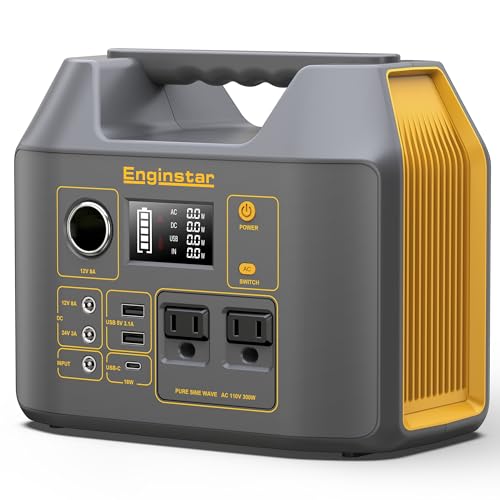
Designed as a compact power station, the EnginStar unit delivers 296 watt-hours with two pure sine wave AC outlets and multiple ports for USB, DC, and car charging. This option is more of a supplementary power bank for small electronics, lighting, and device charging on boats where space is at a premium. It’s light, portable, and easy to store, making it a good match for small boats or as an on-board emergency backup to keep devices charged during a voyage or in a dockside outage.
Who it’s best for: sailors or campers needing a lightweight, portable energy source for essential devices. Choose this if you want a compact power bank to supplement a larger generator. Limitation: insufficient for running full refrigeration or major loads for extended periods.
WEN 4800-Watt RV-Ready Portable Inverter

This WEN model delivers up to 4800 surge watts and 4000 running watts with a compact footprint and 224cc engine. It provides clean power suitable for charging devices, tablets, and laptops, protecting sensitive electronics onboard. A built-in CO shutdown sensor adds a safety layer during use on a boat, especially in enclosed cabin environments. The unit’s compact design makes it a strong mid-size option for mid-size vessels or as a shore power backup on smaller boats with modest electrical loads.
Who it’s best for: boaters needing dependable mid-range power with safety features in a compact form. Better for: weekend sailors or cabin cruisers with intermittent power needs. Limitation: higher output models may be preferred for larger refrigeration or multiple devices running simultaneously.
PowerSmart 2500 Watt Inverter HB5020
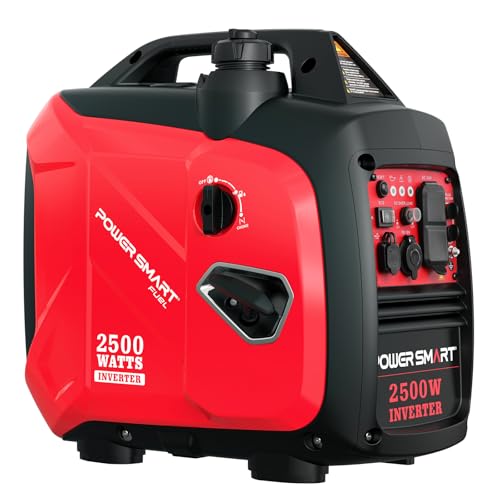
The PowerSmart HB5020 provides 2500 starting watts and 1900 running watts from a compact 79.8cc engine, with a runtime of up to 5.5 hours at 50% load. It operates quietly (typical for boating environments) and includes ECO mode to improve fuel efficiency. The generator supports a range of outlets to power basic boat electricals, essential lights, and small devices. It’s a practical choice for maintaining shipboard comforts on modest-load days aboard smaller vessels.
Who it’s best for: owners of small to mid-sized boats needing a quiet, economical source for essential loads. Better for: short trips or emergency backups. Limitation: lower power ceiling means not suitable for large AC or heavy appliances for extended periods.
Buying Guide: Key Considerations for Boat Generators
- Power needs: Estimate starting and running watts for all devices aboard. Extra surge capacity helps for air conditioning or heavy appliances.
- Fuel type and availability: Gasoline, propane, and dual-fuel options offer flexibility. Consider fuel storage safety on a boat and refueling logistics at sea or dock.
- Noise and exhaust: Quiet operation minimizes disturbance for passengers and wildlife. Look for inverter technology and ECO modes for efficiency.
- Portability and space: Boats vary in deck and cabin space. Prioritize lighter, compact models with robust handles and easy storage.
- Safety features: CO sensors or shutdown systems are critical for enclosed environments. Ensure proper venting and compliance with local maritime rules.
- Electrical output quality: True RMS or clean power is important to protect electronics and devices aboard.
- Parallel operation: If you anticipate needing more power, consider models that support pairing with another unit to increase output.
FAQ: Quick Answers for Boat Generators
- What size generator do I need for a boat? – Determine total starting watts and running watts for all essential loads, then choose a model with adequate headroom and a safe operating range for marine use.
- Is it better to choose dual-fuel on a boat? – Dual-fuel offers flexibility when shore power or specific fuel types are scarce, but may add maintenance considerations onboard.
- Do marine generators require special venting? – Yes, ensure proper ventilation and follow safety guidelines to prevent CO buildup aboard.
- Can I run a generator in a boat cabin? – Only if the generator is designed for enclosed spaces with adequate exhaust and ventilation; many marine setups prefer an open deck or well-ventilated area.
- What about parallel operation on boats? – Some models support parallel connections to boost total power; verify compatibility and required kits for your chosen units.
- How loud are these generators? – Noise levels typically range from about 59 dB to 64 dB from a fixed distance, depending on model and load.