Best Flexible Marine Fuel Fill Hose Options for Boats and Ships
Answering the common boating need for flexible, durable fuel fill hoses. This guide highlights five top options suitable for various marine fuel systems, from deck fuel fills to engine exhaust connections. Best for small to mid-sized boats, personal watercraft, and commercial craft that require reliable, weather-resistant hoses. Each product section explains who it’s best for and why it’s a strong pick, plus a quick caution where applicable.
| Product | Inner Diameter | Length | Best For |
|---|---|---|---|
| Continental 58524 | 1.5″ ID | 48″ | General marine fuel fills and exhaust hose |
| MPI 1.5″ USCG Approved | 1.5″ ID | By The Foot | Coast Guard-approved fills and flexible runs |
| Midnight Marine Precut 1.5″ / 10′ | 1.5″ ID | 10′ Precut | Pre-cut lengths for easy installs |
| Klyyo Clyro 1.5″ ID | 1.5″ ID | 48″ | Durable PVC-based marine hose |
| Itsall 1.5″ ID | 1.5″ ID | 47″ | Reinforced fill hose with connectors |
Continental 58524 Fuel Fill/Marine Exhaust Hose

Product details: 48 inches long with a 1.5 inch inner diameter. Designed for gasoline, methanol, ethanol, and diesel in marine applications such as fuel filler necks, fuel tank vents, and exhaust hoses. Features a 2-ply synthetic construction with a helix wire for flexibility.
Best for: Boat owners needing a longer, flexible run for fills or venting that still resists common fuels. The 48″ length reduces the need for multiple connectors on many deck installations.
Why selected: Combines fuel compatibility with a robust reinforced design, making it a reliable choice for standard marine fill and exhaust routing.
Limitations: Longer hose may be less flexible in very tight engine compartments; ensure fitment with your deck opening and hose clamps before purchase.
MPI 1.5″ USCG Approved Fuel Fill Hose (Sold By The Foot)

Product details: U.S. Coast Guard-approved Type 2 1-1/2″ fuel fill hose with a helical wire for flexibility. Sold by the foot, allowing precise customization for longer or shorter runs in marine installations.
Best for: Buyers who require CI/USCG compliance and the option to purchase exact lengths for custom builds or repairs.
Why selected: The Coast Guard approval adds a standard of marine safety and reliability, useful for critical fill and vent lines on many vessels.
Limitations: Being sold by the foot means you’ll need to calculate total length and place a careful order to avoid excess material.
Midnight Marine Precut Section 1 1/2″ (1′ Foot) Marine Fuel Fill Hose

Product details: Black nylon spiral cord hose with 1.5″ I.D. Precut at 1-foot lengths. Resists gasoline/alcohol blends and is reinforced with a wire helix embedded between HD synthetic cord plies for durability.
Best for: Quick, modular installations or repairs where exact short pieces are ideal, such as stern fills or small access points.
Why selected: The pre-cut design simplifies on-site work and reduces waste for straightforward projects.
Limitations: For longer runs, you’ll need multiple segments or a longer continuous hose, depending on the setup.
Midnight Marine Precut Section (1.5″ or 2″) 10′ Marine Fuel Fill Hose

Product details: Black hose, 1.5″ ID, available in a 10′ precut length. Nylon spiral cord with reinforced wire helix between HD synthetic cord plies ensures structure retention under load and vibration.
Best for: Boats needing a longer ready-to-install segment without extensive cutting, such as midship runs or larger deck fills.
Why selected: Combines durable construction with the convenience of a longer, ready-to-use piece.
Limitations: Ten feet may still require one or more clamps and careful routing to avoid sharp bends in tight spaces.
Klyyo Clyro 2 Pack Marine Fuel Fill & Exhaust Hose, 1.5″ ID, 48″ Length
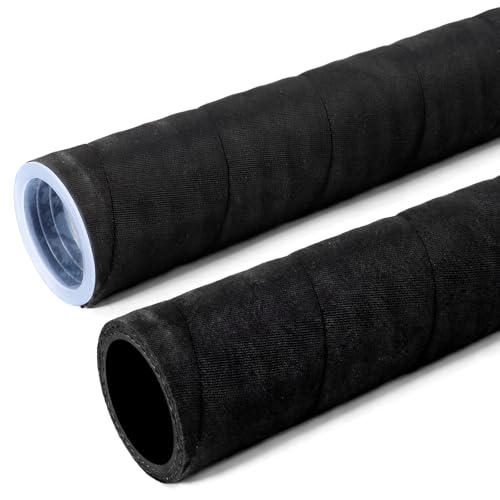
Product details: 1.5″ ID, 48″ length, PVC-based hose designed for fuel filler necks and exhaust systems. Described as durable and suitable for general marine applications with a focus on resistance to fuels and environmental exposure.
Best for: Boat owners who want a reliable, mid-length hose with likely broad compatibility for common marine fills and exhausts.
Why selected: The dual-purpose design helps simplify inventory and installation for common marine plumbing tasks.
Limitations: PVC-based hoses may be less flexible in very cold conditions compared to reinforced rubber hoses.
Itsall 1.5″ ID 47″ Marine Fuel Filler Hose

Product details: 1.5″ ID, 47″ length. Two-layer composite structure with spiral steel wire reinforcement and a black outer layer resistant to moisture and aging. Designed for boat fuel filling connections, ensuring stable connections to fuel tanks.
Best for: Replacements and upgrades where a 1.5″ ID, mid-length hose is needed and where durability in a marine environment is a priority.
Why selected: The reinforced construction helps maintain shape during installation and normal use, reducing leakage risk at deck fills.
Limitations: Measure precisely to avoid insufficient length for your deck fill routing, especially on larger crafts.
Buying Guide
What should you look for in a marine fuel fill hose?
Key factors include inner diameter compatibility with your fill neck, length to minimize joints, material type (rubber vs PVC-based), reinforcement (wire helix for stiffness), and fuel compatibility with gasoline, ethanol blends, methanol, or diesel.
Is USCG approval important?
For critical fuel fills and safety compliance, a USCG-approved hose provides a standard level of reliability, though always verify compatibility with your specific fuel system and local regulations.
How to choose between precut, by-the-foot, or standard lengths?
Precut sections are convenient for quick installations and exact fits. By-the-foot options allow precise customization for unusual runs. Standard lengths suit typical factory setups but may require trimming and adapters.
What about temperature and chemical resistance?
Marine hoses face temperature swings and exposure to fuels. Look for hoses rated for the expected range and for resistance to common fuels, alcohol blends, and environmental exposure.
Installation tips
- Measure the path carefully and account for clamps at each end.
- Avoid sharp bends; use gentle curves to prevent kinking.
- Verify fuel compatibility for the chosen blend and boat systems.
- Keep hose lengths consistent with manufacturer guidelines to maintain safe fittings.
What 4 common questions do buyers ask?
- What diameter should I choose for a marine fuel filler hose? – Choose 1.5″ ID for many standard boat fills, but measure your deck fill opening to confirm.
- Can I use a fuel hose for both fuel fill and exhaust? – Some hoses are advertised for dual use; verify with the manufacturer and ensure compatibility with your exhaust system materials.
- Should I buy by the foot or in precut lengths? – Buy by the foot for custom installations; precut is convenient for common, short runs.
- Are PVC-based hoses as durable as rubber hoses? – Rubber hoses often offer greater flexibility and heat resistance; PVC-based hoses can be sufficient for many installations but may be less forgiving in cold or high-flex areas.
- Do all hoses require clamps? – Yes, secure clamps at both ends to prevent leaks and ensure a tight seal in marine environments.
FAQ
Q: Can I interchange hoses from different brands?
A: Only if the inner diameter, length, material, reinforcement, and fuel compatibility match your system requirements.
Q: What maintenance should I perform on fuel hoses?
A: Regularly inspect for cracks, wear, or soft spots, replace if any damage is found, and avoid exposure to heat sources or direct sunlight when possible.
Q: How do I determine the correct length?
A: Measure the distance between connection points including a small allowance for bends and clamps; purchase slightly longer segments if unsure.
Q: Are these hoses suitable for diesel and gasoline blends?
A: Most listed hoses are designed for multiple fuel types; confirm the exact fuel compatibility in the product specs before use.
This article provides objective, reference-friendly information about flexible marine fuel fill hoses. Use the buying guide to compare options and choose the hose that best fits your vessel’s deck layout, fuel system, and climate conditions.