Best Fuel Bladder Solutions for Boats and Extended Range
Looking for reliable fuel bladders to extend your boat’s range? This guide highlights five top options that balance strength, capacity, and practicality for sailors, anglers, and motor sport enthusiasts. Each product is suitable for extended trips, emergencies, and auxiliary fueling needs. Read on to find which bladder best fits your vessel, fuel type, and planned journeys.
| Product | Brand | Capacity | Notes |
|---|---|---|---|
| Luoweikadeng Fuel Bladder (30 Gallons) | Luoweikadeng | 30 gal | Compact extension for decks with tear resistance. |
| MUKETA Marine Fuel Bladder (30 Gallons) | MUKETA | 30 gal | High-strength TPU, anti-static properties. |
| MUKETA Marine Fuel Bladder (60 Gallons) | MUKETA | 60 gal | Extended range option with durable construction. |
| TezzeO Fuel Bladder (200L / ~53 Gallons) | TezzeO | 200 L | Foldable, portable, UV and oil resistant. |
| ATL Petro-Flex 100 Gallon Pillow-Style | ATL Marine Fuel Bladders | 100 gal | Mil-spec rubberized bladder for rugged use. |
Luoweikadeng Fuel Bladder 30 Gallons

The Luoweikadeng 30-gallon bladder is designed for range extension on yachts and racing boats. It’s built from composite flexible material with anti-static properties and reinforced seams to resist tears and punctures. It includes handles, tie-down grooves, and a hose spigot for convenient fueling. Best for small-to-mid-sized vessels needing extra range without sacrificing deck space.
Who it’s best for: boaters needing a compact, safe, portable solution for occasional long trips or port-side fuel stocking. Why selected: strong construction with practical features for quick deployment. Cautions: ensure proper securing to avoid movement in rough seas.
MUKETA Marine Fuel Bladder 30 Gallons
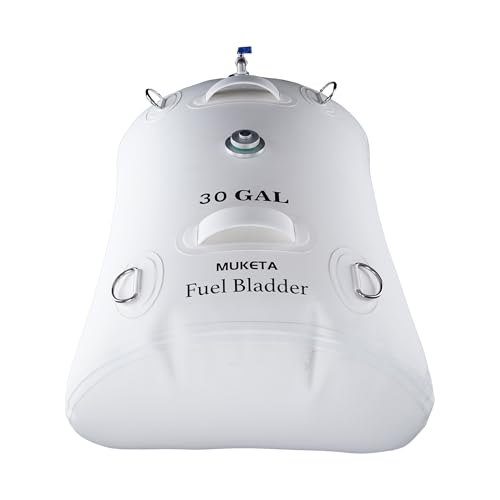
The MUKETA 30-gallon bladder uses 2000D TPU for high tensile strength, puncture resistance, and anti-static safety. It stores gasoline or diesel safely for extended periods and can be refueled via standard nozzles, enabling pre-fueling for longer voyages. Best for boats needing a lightweight, resilient auxiliary tank that’s compatible with common fuels.
Who it’s best for: sailors and anglers who value safety and durability in a compact auxiliary tank. Why selected: excellent material quality and safe long-term fuel storage. Cautions: check compatibility with your engine’s fuel lines and venting setup.
MUKETA 60 Gallon Marine Fuel Bladder
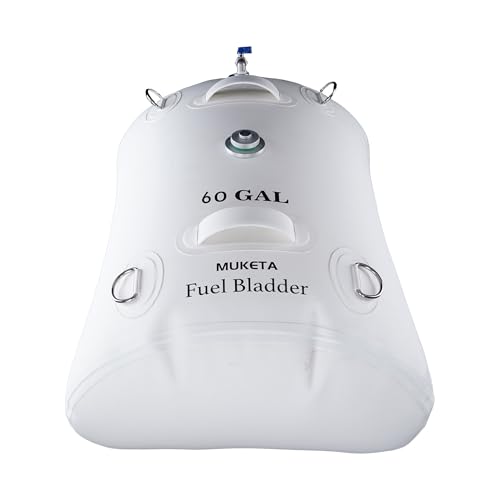
The 60-gallon version from MUKETA shares the same 2000D TPU construction with exceptional tensile strength and anti-static properties. It supports extended range missions and can be refueled through standard nozzles. Best for mid-sized boats that require a larger but still portable fuel extension. Better for longer trips than the 30-gallon model.
Who it’s best for: boaters who need a significant range boost without installing a permanent fuel system. Why selected: scalable size with consistent build quality. Cautions: manage weight distribution on smaller decks to avoid excess list.
TezzeO Foldable 200L Fuel Bladder

The TezzeO bladder is a foldable, portable option designed for long-distance cruising and off-road transport. Made from TPU with oil resistance and UV protection, it folds when not in use to save space. Best for crews prioritizing flexibility and storage space on boats and RVs. Limitation: foldable design may require careful setup for a secure fill on moving water.
ATL Petro-Flex 100 Gallon Pillow-Style

The 100-gallon ATL Petro-Flex pillow-style bladder is built to handle rugged marine use. It’s a mil-spec rubberized bladder designed for extended range and quick refueling with standard nozzles. Best for larger boats or vessels that routinely require substantial fuel reserves. Caution: weight and bulk require ample deck or storage space.
Buying Guide
Key considerations when choosing a fuel bladder:
- Capacity needs: match bladder size to your typical trip distance and engine fuel consumption.
- Material and safety: look for anti-static, puncture-resistant TPU or similar composites to minimize risk at sea.
- Fittings and compatibility: ensure the bladder has compatible fill spigots or nozzles and integrates with your existing fueling setup.
- Storage and space: consider deck layout and storage area; foldable options save space but may require more setup time.
- Portability vs. permanence: smaller bladders are easy to relocate; larger bladders suit vessels with ample storage.
- Maintenance: verify cleaning requirements and drying recommendations to prevent fuel contamination.
Frequently Asked Questions
- What fuels can these bladders hold? Most are designed for gasoline and diesel; always verify compatibility with your engine and fuel system.
- Can I use a bladder for long-term storage? Yes, many bladders are built for extended storage, but follow manufacturer guidelines for venting and ventilation.
- Are anti-static properties important? Yes, anti-static materials reduce ignition risk in fuel handling scenarios on board.
- How do I install a bladder on a small boat? Choose a compact model with secure tie-downs and plan a stable placement to minimize movement in waves.
- Can I refill a bladder from any standard nozzle? Most models support standard nozzles; check the included fittings to ensure compatibility.
- What is the best bladder for extended cruising? For longer voyages, high-capacity options like 60–100 gallons provide more resilience against fuel shortages.