Best Boat Water Heaters for Reliable Onboard Hot Water
Answering the need for steady hot water aboard, these boat-optimized water heaters provide dependable 120V electric heating designed for marine use. The best options are suited for small to mid-sized boats, offering quick access to hot water and simple installations. This guide highlights five reliable models, who they’re best for, and practical considerations to help you choose.
| Product | Capacity | Type | Best For |
|---|---|---|---|
| Kuuma 6-Gallon Marine Water Heater | 6 gal | Front/Rear Heat Exchanger | Small boats needing steady hot water |
| Camco Kuuma 11-Gallon Water Heater | 11 gal | Front Heat Exchange | Boats needing more hot water reserve |
| Kuuma 6-Gallon Marine Water Heater (Gray) | 6 gal | Heat Exchanger | Compact tanks with efficient heat exchange |
| Whale F600 6-Gallon Water Heater | 6 gal | Front Heat Exchanger | Rugged, long-lasting marine use |
| Whale S600 6-Gallon Water Heater | 6 gal | Rear Heat Exchanger | Durable option with rear heat exchanger |
Kuuma 6-Gallon Marine Water Heater

The Kuuma 6-gallon water heater provides a compact, reliable hot water source for small boats. It operates on 120V at 1500W and uses a front-mount and rear heat exchange design for efficient heating. Best for: small to mid-sized vessels needing a dependable daily hot-water supply without taking up much space. Limitation: 6 gallons may be insufficient for larger crews or longer showers without planning. Reason to choose: compact footprint and proven marine compatibility.
Camco Kuuma 11-Gallon Water Heater

This 11-gallon Kuuma model offers a larger reserve of hot water and uses a 120V front heat exchange with back-mount installation. It’s well suited for boats that regularly require back-to-back showers or dishwashing. Best for: owners needing a bigger hot-water buffer on modest-sized boats. Better for: longer trips or higher hot-water demand. Caution: larger footprint than 6-gallon models may affect tight engine-room spaces.
Kuuma 11810 6-Gallon Water Heater
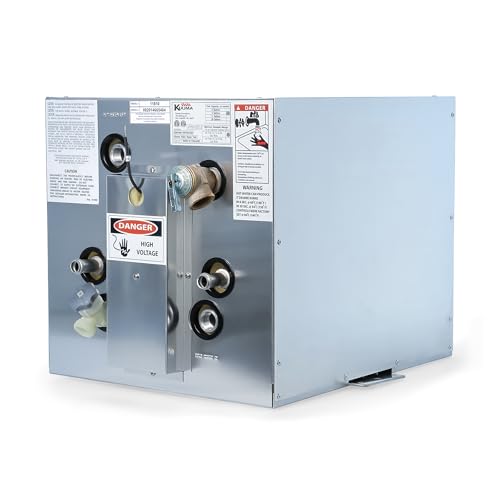
This 6-gallon Kuuma model emphasizes marine aluminum construction and a consistent heat-exchange approach for steady hot water on boats. Best for: small to mid-sized vessels where reliable hot water with a light footprint matters. Choose this if you value corrosion-resistant materials and a straightforward 120V supply. Caution: 6 gallons may run short during heavy use without a backup plan.
Whale F600 Water Heater

The Whale F600 provides a rugged 6-gallon option with 120V power and a front heat exchanger. Its durable construction is designed for long service life in marine environments. Best for: boaters seeking a robust, straightforward heater with reliable performance. Better for: frequent use in challenging conditions. Limitation: some users may prefer rear-exchanger configurations for installation flexibility depending on space.
Whale S600 Water Heater
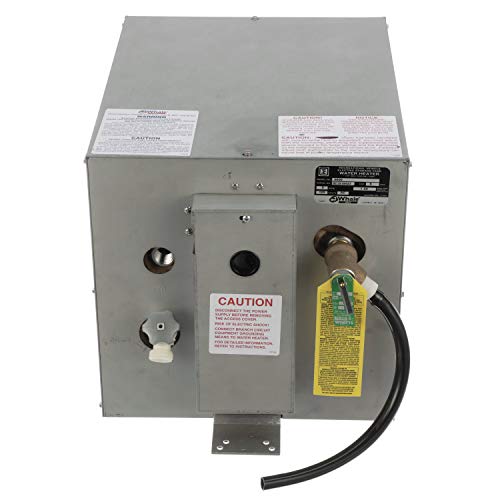
The Whale S600 uses a rear heat exchanger to deliver 6 gallons of hot water from a 120V supply. It is designed for boats where rear mounting is preferable or where a longer heater footprint is acceptable. Best for: vessels with rear installation constraints. Caution: check space for rear-placed heat exchanger and plumbing routing.
Buying Guide: Key Considerations For Marine Water Heaters
How much hot water do you need on each trip? For small boats, a 6-gallon tank is often enough for multiple showers and dishwashing. For larger crews, an 11-gallon option provides a bigger reserve. Consider the typical dwell time at anchor versus travel days when estimating capacity.
Which heat-exchanger configuration is best for your space? Front heat exchangers are common and easy to service; rear exchangers can offer installation flexibility on boats with tight side margins. Match mounting style to your wall or ceiling layout and existing plumbing routes.
Electrical requirements matter. All models above run on 120V AC at around 1500W. Ensure your boat’s electrical system and shore power availability support continuous operation without overloading circuits. If your boat has limited power, plan for a booster or alternator-assisted setup if applicable.
Construction and corrosion resistance are important in marine environments. Aluminum tanks and rugged housings tend to fare well against salt and splash. Look for rust-proof fittings and corrosion-resistant elements, especially if you spray wash or frequently spray water near the unit.
Installation footprint and maintenance. Some units have larger footprints and mounting needs. Check clearances around the heater and confirm accessible service panels. Routine maintenance and inspection of hoses, clamps, and electrical connections help prolong life and prevent leaks.
Frequently Asked Questions
- What size water heater is best for a small boat? A 6-gallon model is typically sufficient for basic daily hot water needs on small boats; consider 11 gallons if you regularly require multiple showers or dishwashing without re-heating.
- Do marine water heaters run on standard 120V power? Yes, most marine water heaters for boats run on 120V AC at about 1500W, compatible with shore power or a generator.
- Is a front or rear heat exchanger better? Front exchangers are usually easier to install and service; rear exchangers offer installation flexibility in tighter spaces, depending on your boat’s layout.
- How long does it take to heat water on a 6-gallon unit? With a typical 1500W element, heating from cold to a usable temperature can take under an hour, but exact times vary with input water temperature and ambient conditions.
- What maintenance is recommended? Regularly inspect connections, test for leaks, and clean any mineral buildup at the fittings. Periodic checks of electrical wiring ensure safe operation aboard.
- Can I upgrade a boat’s hot-water system easily? Upgrades usually involve matching tank capacity, mounting space, and electrical supply. It’s best to verify compatibility with existing plumbing and electrical panels before purchasing.