Best Anchor Holder for Front of Boat: Top Mounts and Rollers for Secure Anchoring
Answering the question, the best anchor holder for the front of a boat depends on your boat size, anchor weight, and mounting style. This guide highlights five reliable options to help you choose the right anchor mounting or roller system for bow use. They’re suitable for small to mid-size boats, kayaks, and yachts, with different locking, roller, and storage features. The list below includes models designed for front-m mountings, easy retrieval, and secure anchoring in varied water conditions.
Summary of selected products
| Product | Best For | Why It Stands Out |
|---|---|---|
| Attwood Standard Lift ‘n Lock Anchor Control | Boats needing economical, durable control | Zinc-plated steel, universal line fitting, smooth control via steel sheave |
| Seachoice Utility Anchor w/ Slip Ring | Boats 15–19 ft needing easy retrieval | Deep penetration on varied seafloors; slip ring aid for stuck anchors |
| Scotty #276 Anchor Lock | Small boats and still-water fishing | Quiet operation; easy lock/release with side/deck mount |
| ISURE MARINE Bow Anchor Roller (Self-Launching) | Yachts and larger boats seeking smooth launching | Heavy-duty bow roller; universal fit |
| Pebbly Beach Bow Anchor Roller (316 SS) | Medium vessels needing corrosion resistance | Marine-grade stainless steel; protects hull; heavy-duty roller |
Attwood Standard Lift ‘n Lock Anchor Control

Best for budget-conscious boaters who need a simple, durable anchor control. The zinc-plated steel design supports anchors up to 20 pounds and uses standard ¼ inch to 7/16 inch line. A steel sheave provides smooth control from any angle, making it suitable for cruising yachts and small boats that require reliable front-mount handling. Limitations include the need for separate line purchase and basic locking compared to more feature-rich rollers.
Seachoice Utility Anchor w/ Slip Ring
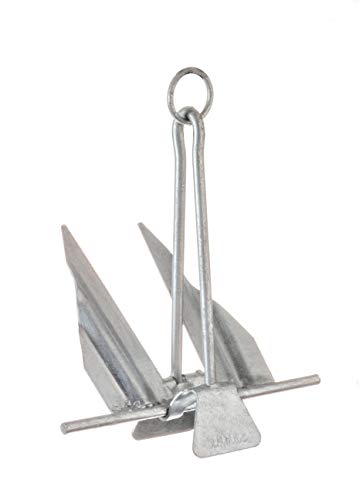
Best for boats around 15–19 feet where anchor retrieval in deep seabed is common. The slip ring shank aids in retrieving a stuck anchor, reducing manual effort in tight harbor conditions. It is designed to perform across a range of seafloor types. Best for casual coastal cruising; better for ease of retrieval than high-speed anchoring. A potential drawback is its focus on retrieval over advanced locking features.
Scotty #276 Anchor Lock

Best for small boats in still-water fishing scenarios. This anchor lock system includes a 241 side/deck mount and offers easy lock and release action to adjust the anchor line. It provides quiet operation and solid construction, making it a practical choice for dockside rigs and inland waterways. Limitation: may be less ideal for rough water conditions where higher-load anchoring is required.
ISURE MARINE Stainless Steel Bow Anchor Roller

Best for yachts or larger boats needing a robust, heavy-duty bow roller. The 15-1/4 inch length and universal bow-fit design support easier lowering and weighing of anchors. The stainless steel construction is suited for saltwater use and reduces hull wear during anchoring. Limitations include fit compatibility with extremely small bow spaces or unconventional bow shapes, where a smaller roller may be needed.
Pebbly Beach Bow Anchor Roller

Best for medium-sized vessels needing corrosion resistance and hull protection. This 6.5-inch bow roller is built from marine-grade 316 stainless steel with a protective rubber roller to reduce hull abrasion. It supports anchors up to 35 pounds and is designed for boats in the 20–30 foot range. Choose this if you prioritize longevity and hull-safe operation; avoid if your bow space is significantly smaller than 6.5 inches or if your anchor weighs more than 35 pounds.
Buying Guide: Key Purchase Considerations
Choosing the right anchor holder for the boat front involves assessing mounting type, size compatibility, and the environment you frequent. Consider the following questions to narrow your options:
- What boat length and bow space does your system need to fit securely?
- Is ease of retrieval or secure locking more important for your typical anchoring scenario?
- Will you anchor in saltwater or freshwater, and how does that affect material choice (stainless steel vs. coated steel)?
- Do you require a self-launch or self-retrieval feature to reduce manual handling?
- What is the maximum anchor weight you anticipate using, and does the mount accommodate it?
- How important is hull protection and minimizing scuffing during anchor handling?
Mount Type And Material
Consider stainless steel, galvanized steel, or coated steel based on salt exposure and budget. Stainless variants resist corrosion better, while galvanized options offer cost savings but can require more maintenance in harsh saltwater. Mount design should suit your bow geometry and allow easy access for maintenance.
Locking And Retrieval Features
Locking mechanisms vary from simple slides to integrated locking latches. Retrieval aids like slip rings or rollers help manage stubborn anchors and prevent line tangling. If you frequently anchor in deep water or rocky seabeds, prioritize quick-release and easy-lock features to reduce handling time.
Compatibility And Weight
Match anchor weight to the rated holding capacity of the mount. Oversizing the system can cause binding or improper seating. Check the available line compatibility and ensure there is room for the line and rode without interference with decking or rails.
Hull Protection
Rubber rollers or cushioned contact surfaces protect hull paint and finish. If hull abrasion is a concern, prioritize models with rubberized contact points or protective sleeves.
FAQ
- What is the typical anchor weight these mounts can support?
Answer: Varies by model; many are designed for anchors up to 20–35 pounds, but always verify the specific product’s weight rating before purchase. - Should I choose a bow-mount anchor roller for a small boat?
Answer: Yes, if you need easier deployment and retrieval on limited bow space; ensure the roller fits your bow width and mounting pattern. - Is stainless steel better than galvanized for saltwater use?
Answer: Generally yes; stainless steel offers superior corrosion resistance in saltwater environments but at a higher cost. - Do these products require professional installation?
Answer: Not always; many mounts are designed for DIY installation, but ensure proper mounting hardware and load calculations are followed. - Can these anchors be used for puling anchors from the bow while moving?
Answer: Most are designed for stationary use; use caution when operating near moving water or under power to avoid line entanglement. - What maintenance is recommended for bow anchor rollers?
Answer: Regularly inspect mounting screws, lubricate moving parts per manufacturer guidance, and check rubber rollers for wear.