Best Marine Starters and Alternators for Mercruiser and Volvo Penta Engines
If you need reliable starting and charging for Mercruiser, Volvo Penta, or other inboard/stern drive marine engines, these options are designed to improve cranking performance and ensure steady charging. The picks below are best for boaters who want a direct-fit replacement, higher torque, and marine-grade durability. They suit anglers, tournament boats, family cruisers, and anyone facing slow cranking, clicking noises, or battery drain after winter storage. Read on for clear, replacement-focused guidance.
| Product | Best For | Key Benefit |
|---|---|---|
| Marine Starter Replacement – 4.3L to 8.2L | Boat owners needing PMGR torque | High-torque PMGR design |
| OEG Parts New Starter – 1996-2007 Mercruiser/Volvo Penta | Older-model engines | Broad compatibility with common OEM numbers |
| DISCOUNT STARTER & ALTERNATOR – 3.0/3.0LX | Small-block GM stern drive | 12V PMGR, straight mounting flange |
| Boatrip Coated Starter – 4.3 to 8.1L | Premium build and OEM-matching specs | Coated, built for marine use |
| DB Electrical 400-12007 Alternator | Reliable marine alternator | 12V, 42A, compact marine-approved unit |
Marine Starter Replacement for Mercruiser & Volvo Penta Engines

Best for: Engines ranging from 4.3L to 8.2L V6/V8, including Mercruiser and Volvo Penta family lines. Reason for selection: Direct-fit PMGR starter with high cranking torque to address slow starts and clicking. It’s designed to handle cold weather and long storage cycles. Limitations: Confirm exact OEM fitment and mounting compatibility on your engine model prior to purchase.
OEG Parts New Starter for Mercruiser & Volvo Penta V6/V8

Best for: 1996–2007 Mercruiser and Volvo Penta V6/V8 setups. Reason for selection: Wide OEM-number compatibility listed, aiding owners with multiple-fitment references. This replacement is a practical option when you need a standard 12V, CW-rotation starter without custom modifications. Caution: Verify the exact model year and engine family to prevent misfit with non-standard configurations.
DISCOUNT STARTER & ALTERNATOR – 3.0/3.0LX GM 181ci Starter

Best for: Small-block GM stern drives with 3.0L configurations. Reason for selection: PMGR 12V design with a straight mounting flange and a 9-tooth gear, offering a balanced blend of torque and installability. Limitation: Check mounting hole pattern and flange alignment to ensure a precise fit on your exact engine model.
DISCOUNT STARTER & ALTERNATOR – Mercruiser/OMC/Volvo 12V Starter
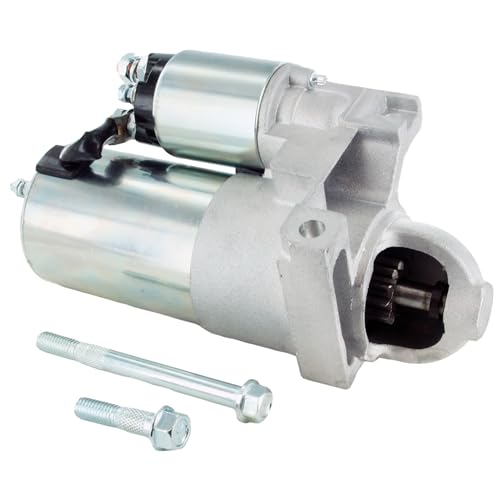
Best for: Broad compatibility with many OEM numbers including Mercruiser and Volvo Penta. Reason for selection: Includes mounting hardware and gasket options; designed for marine use with PMGR, CW rotation. Caution: Verify the exact OEM cross-reference to avoid mismatches with niche engine variants.
DISCOUNT STARTER & ALTERNATOR – Delco PG260L Family

Best for: Chevy-based stern drives and small- to mid-block engines with 12V PMGR starters. Reason for selection: Replaces several OEM numbers with a compact 11-tooth drive and 12V CW rotation. Limitation: Ensure the drive teeth count and mounting ears align with the engine’s starter housing.
Discount Starter & Alternator – Mercury Marine Fit

Best for: Mercury Marine outboard or stern drive applications with 50-series OEM numbers. Reason for selection: New aftermarkets designed to meet or exceed OEM specs; CW rotation and PMGR type. Caution: Replacement may require checking bolt pattern and electrical connections for a clean wiring match.
DB Electrical 400-12007 Alternator

Best for: 12V marine alternator needs in OMC/GM/Mercury setups. Reason for selection: 42A output with marine-grade corrosion resistance and a universal fitment pattern across many OEM references. Limitation: Check pulley type and belt alignment to ensure compatibility with your accessory drive system.
Buying Guide
Key factors to consider when choosing a marine starter or alternator:
- Engine compatibility: Verify the exact engine model, displacement, and year. Look for cross-reference OEM numbers and stated fitment to avoid incorrect replacements.
- Torque and impulse: PMGR starters provide higher cranking torque than direct-drive. Choose PMGR when you need reliable starts after cold storage or in cold climates.
- Rotation and electrical specs: Ensure the rotation (CW or CCW) matches your engine. Check voltage (usually 12V) and amperage to fit your electrical system.
- Mounting and hardware: Some units include mounting bolts and gaskets; others require separate hardware. Confirm hole spacing and flange type before purchasing.
- Marine-grade durability: Look for corrosion-resistant construction and seals designed for marine environments to maximize lifespan.
- Warranty and return options: A one-year or longer coverage helps protect against early failures in the boat’s season.
Practical comparison tips
- Best for high-torque needs: The PMGR starters with high cranking torque are preferred for large V6/V8 engines.
- Better for older engines: Units listing broad OEM compatibility help when matching legacy part numbers.
- Choose this if you want a full replacement kit: Some listings offer hardware and gaskets for a straightforward swap.
- Avoid this if you have unique mounting patterns: Verify mounting ears, flange style, and bolt patterns to prevent installs that require adapters.
FAQ
- What is PMGR and why choose it? PMGR stands for Permanent Magnet Gear Reduction; it delivers higher cranking torque in a compact form, which is beneficial for large marine engines.
- How do I know if a starter will fit my engine? Compare the listed OEM cross-reference numbers, engine displacement, and rotation direction with your vessel’s specifications.
- Should I replace the alternator at the same time as the starter? If your alternator shows weakness or you’re upgrading electrical capacity, replacing both can improve reliability and charging performance.
- What maintenance is needed after installation? Inspect battery connections, clean terminals, and test load on the starter to ensure proper engagement and rotation.
- Are these parts suitable for saltwater boats? Yes, many marine starters and alternators are built with corrosion-resistant construction to withstand salt exposure.
- Do these units require professional installation? Basic installations can be DIY if you have mechanical experience; however, professional assistance is advised for complex alignments and electrical work.