Best Fiberglass Boat Bottom Paints for 2026
Bottom paint designed for fiberglass boats helps protect hulls from barnacles, weeds, slime, and other marine growth. This guide highlights five top options that balance single-season protection, ease of use, and environmental considerations. Ideal buyers include frequent saltwater users, sailboat crews, powerboat operators, and marinas seeking low-odor, low-VOC paints. The following selections are chosen for compatibility with fiberglass and their clear, decision-friendly features.
Summary table of selected products:
- Best value: TotalBoat Underdog (Black) — single-season protection, affordable.
- Best for burnishable finish: TotalBoat JD Select Ablative (Black, Gallon) — self-polishing finish, burnishable for speed.
- Best low odor/low VOC: TotalBoat JD Select Ablative (Blue, Gallon) — low odor, easy cleanup.
- Copper-free option: TotalBoat Krypton Copper Free (Black, Quart) — copper-free formula for sensitive substrates.
- Non-copper alternative with broad use: Rust-Oleum Marine Bottom Paint (Quart) — simple, widely compatible, black finish.
TotalBoat Underdog Marine Antifouling Bottom Paint — Black (Gallon)
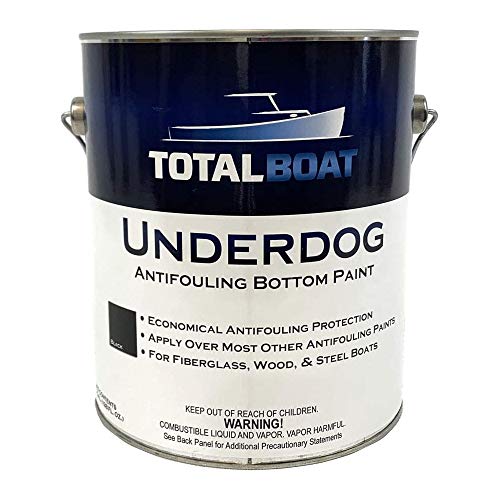
Best for boats used frequently in saltwater. This economical antifouling coating provides single-season protection with copper biocide to deter barnacles and mussels. It is formulated for properly prepared fiberglass, wood, steel, and iron hulls and is designed to release fresh biocide as water flows beneath the boat. The finish is durable enough to withstand trailering and beaching better than traditional ablatives, reducing next-season prep. Choose this if you want a straightforward, cost-effective option for regular boat use with fiberglass hulls.
Who it’s best for: sailors and powerboats that spend substantial time in saltwater and need a simple, economical coating.
Caution: Not ideal for boats that sit idle for long periods, as effectiveness relies on regular water movement under the hull.
TotalBoat JD Select Ablative Antifouling Bottom Paint — Blue (Gallon)

This ablative, self-polishing coating minimizes bottom paint buildup over a season. It excels on fiberglass, wood, and steel boats in both salt and fresh water, and the durable finish can be burnished for a smoother surface that supports speed and fuel efficiency. It’s low odor and low VOC, making it friendly for marinas with environmental restrictions and for DIY users who prefer soap-and-water cleanup. No maximum dry time before launch is stated, which can simplify planning.
Best for: boats needing a smooth, fast surface with less annual sanding and a clean, environmentally considerate profile.
Limitation: Because it wears away gradually, the frequency of reapplication depends on usage and water conditions.
TotalBoat JD Select Ablative Antifouling Bottom Paint — Black (Quart)

This option mirrors the blue gallon offering, delivering a self-polishing ablative coating with low odor and low VOCs. It is suited for fiberglass, wood, and steel in varied waters, with a finish that remains burnishable for potential speed gains and fuel efficiency. It is especially appropriate for marinas that restrict fumes and require easy soap-and-water cleanup. There is no maximum dry time before launch stated here.
Best for: compact projects or limited-sample jobs where a low-VOC, easy-cleanup solution is desired without compromising performance.
Limitation: Small quart sizes may necessitate precise application to manage coverage on larger hulls.
TotalBoat JD Select Ablative Antifouling Bottom Paint — Black (Gallon)

Designed for long season protection, this ablative coating wears away as the boat moves, reducing paint buildup and simplifying next-season surface preparation. It supports fiberglass, wood, steel, and iron hulls in both fresh and saltwater. The finish can be burnished for smoothness and efficiency, and its low odor, low VOC profile makes it marina-friendly. It also shares the no-maximum-dry-time benefit with other JD Select products.
Best for: boats that sail or operate in mixed waters and want ongoing protection with minimal sand-back work.
Caution: Like other ablatives, effectiveness depends on movement; layups that remain stationary may require more frequent touch-ups.
Interlux YBB379G Bottomkote NT — Black (Gal.)

Interlux Bottomkote NT is a fiberglass-compatible option noted for its black finish. While the listing emphasizes its presence for fiberglass, the product line is recognized for dual-use protection against fouling with a focus on ease of application. It is suitable for boats that frequently move through water and require reliable antifouling across multiple hull materials, including aluminum when applicable. Best for: operators prioritizing a well-known brand with straightforward performance in fiberglass applications.
Limitation: Specific surface compatibility beyond fiberglass is not detailed in the snippet provided.
TotalBoat Underdog Marine Antifouling — Blue (Gallon)

This blue variant of Underdog offers the same economical single-season protection with copper biocide for barnacle and mussel deterrence. It is marketed for fiberglass, wood, steel, and iron bottoms, with a coating that wears away during the season to minimize buildup next year. It suits boats that require dependable protection at a lower cost while operating in saltwater conditions.
Best for: budget-conscious boat owners seeking effective protection during a single season in mixed-water environments.
Limitation: As with other copper-based bids, ensure compatibility with aluminum components and consider marina regulations regarding biocide use.
Buying Guide: Key Considerations for Fiberglass Boat Bottom Paint
- Water type and usage: Saltwater, freshwater, or mixed waters influence whether an ablative or hard antifouling is preferable. Ablatives wear away and reduce buildup, while hard paints stay longer but may require more sanding later.
- Hull material compatibility: All selected products list fiberglass as compatible. Verify compatibility with any metal components (trim tabs, outdrives) if copper-based paints are used.
- Application profile: Consider odor, VOCs, and cleanup. Low-VOC and low-odor options are marina-friendly and easier for DIY users.
- Reapplication and launch timing: Some paints have “no maximum dry time” or easy launch timing, while others require more planning around weather and water movement.
- Biocide type: Copper-based paints deter growth effectively but may interact with nonferrous metals. Copper-free formulas avoid galvanic concerns but may vary in protection duration.
- Maintenance and sanding: Ablative coatings reduce buildup but may require repainting each season. Consider the effort you’re willing to invest in sanding and prep.
- Environmental considerations: Low-VOC formulations reduce fumes and environmental impact, important in marinas with restrictions.
- Budget and coverage: Gallon vs quart sizes affect project scope and cost. Coverage rates vary; plan for full hull coverage plus touch-ups.
FAQ
- What is the difference between ablative and hard bottom paints? Ablative paints wear away as the boat moves, reducing buildup and easing next-season prep. Hard paints stay intact longer but may require more sanding when reapplying.
- Is copper-based paint safe for aluminum boats? Copper-based coatings can interact with aluminum. Copper-free formulas are preferable for aluminum hulls and components.
- Can I use bottom paint in marinas with low-VOC restrictions? Yes, low-VOC and low-odor options are designed for marinas and urban waterways with environmental rules.
- How often should I reapply antifouling paint? Reapplication frequency depends on water type, usage, and the coating type. Ablatives often align with a single season of use.
- Do I need to remove old paint before repainting? Many ablatives require surface preparation to ensure proper adhesion; always follow the product’s prep guidelines.
- Are these paints compatible with fiberglass only? The products listed specify compatibility with fiberglass, wood, steel, and sometimes aluminum; verify the final substrate in your hull before choosing.