Best Water Heaters for Boats: Efficient Hot Water Onboard
Finding reliable boat water heaters requires balancing capacity, power, and marine durability. This guide highlights five top options that deliver steady hot water for boats, cabins, and small marine setups. The selections cover compact 6–11 gallon units and one larger 10–20 gallon model, aimed at seafood galley runs, showers, and dishwashing. Choose based on vessel size, electrical capacity, and how quickly you need hot water. The buyer-friendly table below helps compare core specs at a glance.
| Product | Capacity | Electrical | Best For |
|---|---|---|---|
| Kuuma 6 Gallon Water Heater (Front-Med/Rear Heat Exchange) | 6 gallons | 120V • 1500W | Compact boats needing steady daily hot water |
| Camco 11841 Kuuma Water Heater | 11 gallons | 120V • 1500W | Moderate-hot-water demand on mid-size boats |
| Kuuma 11810 6-Gallon Water Heater | 6 gallons | 120V • 1500W | Reliable hot water with marine aluminum tank |
| Whale F600 Water Heater | 6 gallons | 120V | Durable build with front heat exchanger |
| Whale S600 Water Heater | 6 gallons | 120V | Rear heat exchanger for space flexibility |
Kuuma 6 Gallon Water Heater for Marines and Boats

This 6-gallon Kuuma water heater provides a reliable daily supply of hot water for boats. With a 120V electrical input and 1500W heating capacity, it supports basic showering and dishwashing needs on small to midsize vessels. Best for boat owners seeking a compact heater that fits tight engine rooms without sacrificing performance. A front-mount design paired with rear heat exchange helps optimize installation on varied layouts. Limitation: smaller capacity may require more frequent heating on high-demand days.
Camco 11841 Kuuma Water Heater

This 11-gallon Kuuma unit offers a larger hot-water reservoir for boats with moderate to high hot-water needs. Using 120V at 1500W, it can support longer showers or multiple wash-ups between fills. Best for mid-sized vessels where extra capacity reduces the frequency of heater cycles. A potential drawback is the heavier footprint; ensure your space accommodates an 11-gallon tank. The unit integrates a front heat exchange and back-mount compatibility for flexible installation.
Kuuma 11810 6-Gallon Water Heater
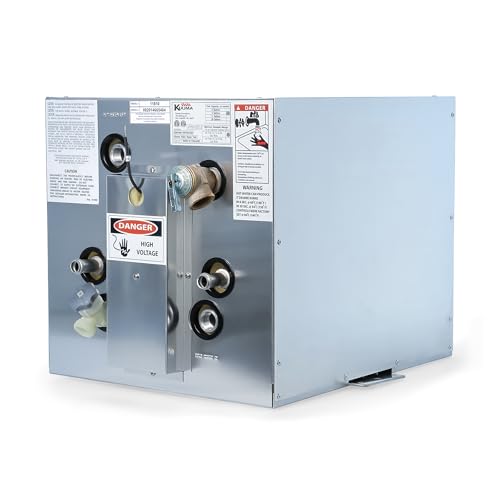
Designed for consistent hot water aboard boats, this 6-gallon Kuuma unit uses a marine aluminum tank and an efficient heat exchanger. It runs on 120V at 1500W, delivering reliable performance for daily needs. Best for boaters who want durable construction with steady hot-water output. Limitation: aluminum tanks can be prone to dents if mishandled; careful installation helps avoid cosmetic damage while preserving efficiency.
Whale F600 Water Heater

The Whale F600 provides a rugged 6-gallon solution with a front heat exchanger. It is built for longevity in marine environments and is suitable for boats that need dependable hot-water supply without frequent replacements. Best for owners prioritizing durable construction and straightforward 120V operation. Caution: verify compatibility with your boat’s mounting and plumbing layout to ensure efficient heat exchange.
Whale S600 Water Heater
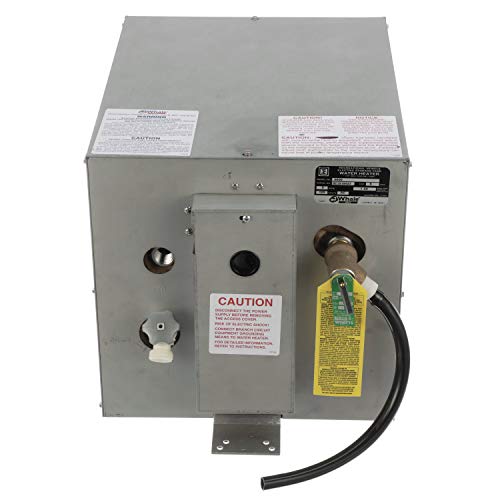
The Whale S600 features a 6-gallon capacity with a rear heat exchanger, offering installation flexibility where space planning is a constraint. Best for boats needing space-efficient placement while maintaining hot-water reliability. It shares the 120V, 1500W profile common to marine water heaters. Limitation: rear-exchanger design may require precise access for servicing; plan routing accordingly to avoid restricted maintenance.
Buying Guide
What capacity do I need on a boat?
For solo sailors or small day boats, 6 gallons typically suffices for showers and dishwashing between port stops. Families or boaters with higher hot-water demand may prefer 10–11 gallons to extend hot-water availability between cycles. Consider your typical trips, shower length, and dishwashing frequency when choosing.
Is 120V power enough on a boat?
Most marine water heaters run on 120V at 1500W. Ensure your shore power setup or inverter can supply the needed load without starving critical systems. If your boat’s electrical system is limited, a smaller unit or one with faster recovery times may be preferable.
Front vs. rear heat exchange — does it matter?
Front heat exchange allows versatile mounting options and easier service access. Rear heat exchange can save space and adapt to tighter layouts. Your choice depends on available space, plumbing routing, and maintenance preference. Both designs provide efficient heat transfer when properly installed.
Durability and material choice
Marine-grade tanks (aluminum, stainless, or corrosion-resistant composites) extend life in saltwater environments. Durable construction reduces replacement frequency in rugged conditions. If you anticipate rough handling or frequent travel over waves, prioritize units with proven marine build quality.
Installation and maintenance considerations
Check mounting clearance, inlet/outlet orientations, and compatibility with your vessel’s plumbing. Plan for easy access to drain valves, electrical connections, and heat-exchanger access for routine maintenance. Regular inspection helps prevent leaks and ensures consistent performance.
FAQ
- Do marine water heaters require special installation? Most units are designed for standard 120V electrical supply; ensure mounting space, fluid connections, and ventilation meet the manufacturer’s guidelines for marine use.
- What size water heater is best for a boat with two people? A 6-gallon model is typically adequate for daily showers and dishes, but consider an 8–11 gallon unit if longer trips or higher usage is common.
- Can I install a boat water heater myself? Installation is doable for those with basic plumbing and electrical skills, but seek professional help if unsure about marine wiring and leak prevention.
- How long does it take to heat water on a boat? With 1500W heating, expect hot water to replenish within a standard shower cycle or dishwashing session, depending on the remaining tank temperature and flow rate.
- Are aluminum tanks safe for marine use? Aluminum tanks are common for weight savings and corrosion resistance, but ensure proper anode protection and periodic inspection.
- What maintenance is recommended? Regularly inspect fittings, monitor for leaks, and flush the tank per the manufacturer’s guidelines to remove mineral buildup and extend life.