Best Wind Instruments for Sailing Boats: Clear, Reliable Wind Readings on the Water
Answering the buyer’s search for dependable wind indicators, this guide highlights five top options for sailing boats. These instruments help crews read true and apparent wind direction, improve sailing efficiency, and aid in navigation. The picks cover both classic vane indicators and modern digital displays, suitable for cruisers and racers alike. The buyer types best served vary from weekend sailors needing quick visibility to racers seeking precise wind data for performance. Below is a summary table of the selected products for quick comparison.
| Product | Best For | Key Benefit |
|---|---|---|
| Five Oceans FO2080 | Small to mid-size sailboats | Accurate wind direction with easy day/night visibility |
| Garmin GNX Wind | Modern cockpit displays | Digital wind data with high-contrast display |
| Windex XL | Classic, reliable readings | Top-performing vane for accuracy and reliability |
| Blueshark 18 in (460 mm) 460-D | Medium to larger boats | Carbon fiber vane with corrosion resistance |
| Blueshark 9.8 in (250 mm) 250-A | Compact boats | Lightweight vane with solid construction |
Five Oceans FO2080 Wind Direction Indicator
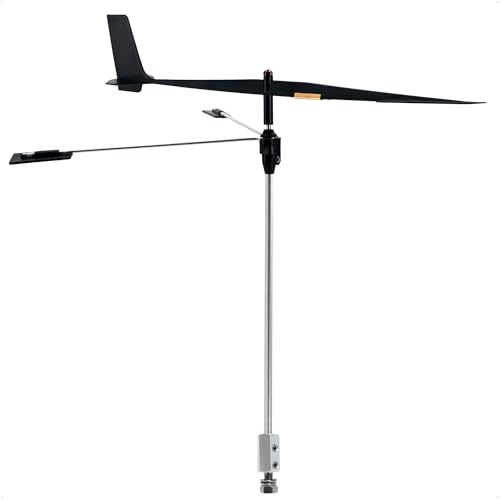
The Five Oceans FO2080 is a 14-1/2 inch vane designed for sailboats and vessels around 15 feet and larger. It provides accurate direction in light breezes and features reflector tape for daytime visibility and tacking tabs for night visibility. This unit includes through-bolt and tap mounting sockets with a 5/16″ stainless steel stud and comes with mounting hardware. Best for smaller crews needing simple, reliable wind reading with clear visibility; avoid if you need digital wind data or integrated speed readings.
Garmin GNX Wind Instrument
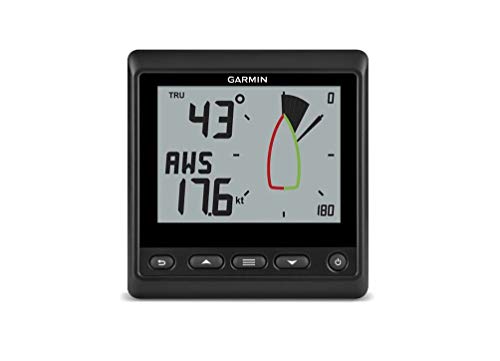
The Garmin GNX Wind is a dedicated wind instrument featuring a glass-bonded backlit monochrome LCD display that remains fog-free and highly legible. It shows true and apparent wind data in two data fields with a digital wind rose, and supports additional navigation information like boat speed and steering features. Best for sailors who prefer digital readouts and easy-to-read screens; consider traditional vanes if you want a low-tech backup in heavy conditions.
Windex XL Wind Direction Indicator

The Windex XL is a complete wind vane package that includes the vane, supporting rod, index arms, and mast socket. Known for easy visibility with reflective markings, it delivers reliable apparent wind direction for both cruising and racing. Best for skippers who want a proven, straightforward wind indicator; choose this if you value a complete, ready-to-mount package and crisp visibility in varied light conditions.
Blueshark 18 in (460 mm) 460-D Wind Indicator

The Blueshark 460-D offers a longer carbon fiber vane with corrosion resistance, suitable for boats in the 6-9 meter range. Its extended vane length provides clearer wind direction in brighter conditions and quieter operation due to carbon fiber construction. Best for mid-sized sailboats seeking durability; better for calmer setups where a larger vane improves visibility, but heavier boats may benefit from a lighter model for ease of handling.
Blueshark 9.8 in (250 mm) 250-A

The Blueshark 250-A is a compact wind indicator with a carbon fiber vane and corrosion resistance. It suits smaller boats (2m-4m) or tight cockpits where space is at a premium. Best for dinghies or compact sailboats; consider larger indicators if you need more wind visibility from a distance, or if you require a longer vane for better signaling in bright sun.
Buying Guide: Key Purchase Considerations
What wind-reading needs should guide your choice? Consider boat size, cockpit visibility, and whether you prefer digital data or a traditional vane. Vane indicators are simple, robust, and require minimal maintenance, while digital wind instruments provide multiple data fields and easier reading in various lighting. Durability matters: look for corrosion resistance, especially in saltwater environments. Mounting style and compatibility with your mast or rigging are essential. If night visibility is important, prioritize models with reflective tape or backlit displays. For racers, wind data speed and accuracy can influence sail trim decisions; cruisers may value reliability and low maintenance.
How should you compare products? Focus on vane length, mounting compatibility, visibility in daylight and low light, and the presence of additional features like through-bolt sockets or digital readouts. For small boats, compact indicators like the 250-A may be ideal, while larger boats benefit from longer vanes such as the 460-D. If you already use Garmin electronics, the GNX Wind integrates with other Garmin equipment for a unified display. Consider a complete package like the Windex XL for quick installation and proven performance.
Frequently Asked Questions
- What is the difference between true wind and apparent wind indicators?
– True wind is the wind direction and speed relative to a stationary point, while apparent wind is what you feel on deck as the boat moves. Most indicators provide apparent wind direction; true wind data may require digital instruments. - Do I need a digital wind instrument for cruising?
– Not necessarily. For many cruisers, a reliable vane indicator suffices, offering simple, low-maintenance wind readings. Digital displays are beneficial for integrated navigation data and detailed wind fields. - Are carbon fiber vanes better than aluminum?
– Carbon fiber vanes are generally lighter and more corrosion-resistant, improving durability in saltwater use, but may come at a higher cost. - Can I install wind indicators on any mast?
– Installation depends on mounting hardware compatibility and mast socket availability. Check through-bolt sizes and stud dimensions before purchasing. - Which wind indicator is best for a small sailboat?
– For small boats, compact options like the 250-A or FO2080 are good choices, offering clear visibility without taking up excessive cockpit space.