Best Flare Gun for Boat: Top Marine Signaling Kits
Answering your signaling needs on water, these flare gun kits and electronic distress options are selected for boaters seeking reliable, compliant emergency signaling. They suit sailors, anglers, and small- to mid-sized craft operators who require clear visual or electronic distress signals. The top picks cover traditional 12-gauge flare launchers, Coast Guard approved kits, and modern electronic alternatives for day and night visibility.
Summary of chosen products:
| Product | Type | Best For | Notes |
|---|---|---|---|
| Orion Safety 584 ALERTER Basic 12 GA 4-Flares | 12-Gauge Flare Launcher | Rugged marine signaling, backup for small crews | Coast Guard approved signals; durable bandolier |
| COASTAL ALERT LAUNCHER KIT | 12-Gauge Flare Launcher Kit | Day and night signaling, group or vessel signaling | Includes whistles; USCG approved |
| Sirius Signal C-1003 SOS LED Distress Signal | Electronic Distress Signal | Extended visibility, no pyrotechnics | USCG approved; up to 60 hours of operation |
| ACR ResQFlare Electronic Distress E-Flare | Electronic Distress Light | Nighttime and daytime signaling without flares | IP67 waterproof; multiple visual signals |
| Orion 584 12 Gauge High-Performance Alerter Basic-4 | 12-Gauge Flare Launcher | Easy signaling on boats, ready-to-use | Non-retail packaging; includes 6 signals |
Orion Safety 584 ALERTER Basic 12 GA 4-Flares

Best for: small crews needing a rugged, Coast Guard approved signaling option. This 12-gauge launcher is designed for harsh marine conditions and includes a bandolier that holds up to six red aerial signals. The safety hammer lock adds reliability in rough weather. Use this when you want traditional pyrotechnic signaling with solid performance against corrosion. Limitation: requires handling and storage of live pyrotechnic flares, which some boaters prefer to avoid in certain locations.
COASTAL ALERT LAUNCHER KIT

Best for: boaters who want a complete signaling package for day and night use. This kit is USCG approved and includes six red aerial signals plus a SOLAS-approved whistle with lanyard. It provides a straightforward, ready-to-deploy option for crew safety and coordination. Caution: still relies on pyrotechnic flares; consider backup electronic signaling for extended cycles of distress signaling.
Sirius Signal C-1003 SOS LED Distress Signal
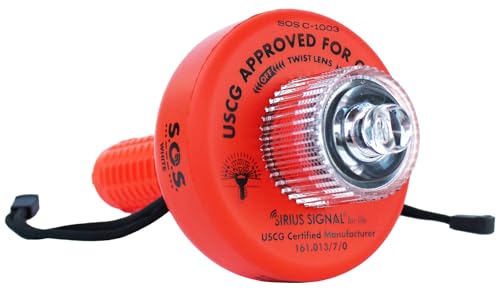
Best for: families and larger boats seeking a long-lasting electronic distress solution with day and audible signaling. The C-1003 kit meets USCG requirements and provides SOS signaling with up to 60 hours of operation. It is easy to use and eliminates the need to manage pyrotechnics. Limitation: battery-dependent and may require replacement batteries over time.
ACR ResQFlare Electronic Distress E-Flare
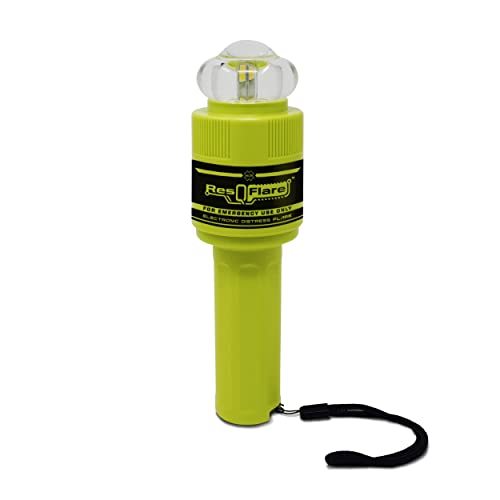
Best for: boaters seeking a non-pyrotechnic replacement with robust daytime and nighttime signaling. The ResQFlare includes a distress flag and is waterproof with 360° visibility. It is certified under USCG 161.013 for nighttime signals and USCG 160.072 for daytime signals. Limitation: electronic devices rely on battery power and may have limited availability in extreme cold or submersion scenarios beyond IP67 ratings.
Orion Safety 584 High-Performance Alerter Basic-4

Best for: lake and coastal boaters needing instant signaling with a corrosion-resistant launcher. This option expands signaling capacity with four red aerial signals and supports quick, reliable deployment when space is limited. Limitation: packaging may be non-retail, which some buyers prefer to avoid for inventory and inspection reasons.
Buying Guide
What signaling method fits your boat and conditions? Traditional pyrotechnic flares are effective but require careful storage and handling. Electronic distresses offer long shelf life and easy deployment but depend on battery power and device maintenance. For boats with multiple crew members, a mixed approach—pyrotechnic flares for immediate, visual signals and an electronic option as a backup—helps cover varied scenarios.
Key considerations
- Boats and crew size: Larger crews benefit from multiple signaling options and longer-lasting devices.
- Environmental conditions: Saltwater, humidity, and temperature affect device durability and readiness.
- Regulatory compliance: USCG approvals and recognized standards ensure signals are legally usable in emergencies.
- Storage and handling: Pyrotechnic flares require secure stowage; electronic devices reduce ongoing handling risk.
- Visibility and range: Higher candela or longer range enhances chances of being located in poor visibility.
- Maintenance: Periodic inspection of flares and battery checks for electronic devices prevent failures during an incident.
- Future-proofing: Electronic distress devices may offer longer life and easier updates compared to traditional flares.
How to choose between pyrotechnic and electronic options
Choose pyrotechnic flares for immediate, highly visible signals at night or in poor visibility. Choose electronic distresses for safer handling, extended endurance, and daylight visibility. Many boaters keep both as part of a complete safety kit, ensuring they can signal in a wider range of situations.
Usage and maintenance tips
- Store flares in a dry, cool location and rotate stock per manufacturer guidance.
- Inspect electronic devices for battery integrity and test their indicator signals when safe to do so.
- Practice deployment in non-emergency settings to ensure crew readiness and familiarity with procedures.
- Keep a clear, accessible list of emergency contacts and a chart of what each signal represents.
What to add to your boat safety kit
- At least one pyrotechnic flare launcher or set of flares with bandolier
- One electronic distress device with clear day/night signaling
- Whistle or acoustic signaling device for additional attention
- Waterproof storage solutions and a maintenance checklist
FAQ
- Q: Do these devices require special training to use? A: Basic training is recommended; many kits provide user instructions and safety guidelines.
- Q: Are electronic distress devices Coast Guard approved? A: Some are USCG approved for night and day signaling; verify model-specific approvals.
- Q: How long do electronic signals last? A: Many devices can operate for tens of hours, depending on model and battery life.
- Q: Can I rely solely on pyrotechnic flares? A: Pyrotechnics are effective, but a mixed approach adds redundancy and reduces handling risk.
- Q: What maintenance do these devices need? A: Regular inspection of flares, battery checks, and compliance with storage guidelines are essential.