Best 2 Stroke Outboard Oil Options for Your Boat or Jet Ski
Answering the common question: which 2-stroke outboard oil is best for protecting engine life and maintaining performance? This guide highlights top 5 options that balance wear protection, carbon control, and ease of use. The selections aim to suit different buyers—from casual weekend boaters to high-performance setups and direct-injection systems. Each product is described with who it’s best for, why it was chosen, and practical trade-offs to consider before you buy.
Summary table of selected products:
| Product | Best For | Why It Stands Out | Limitations |
|---|---|---|---|
| Quicksilver Premium 2-Stroke Engine Oil | Casual boaters, PWCs | All-weather lubrication and strong corrosion protection | General-purpose use; not DI-specific |
| Yamaha Yamalube Outboard 2M Marine 2-Stroke Oil | Yamaha-powered boats | Semi-synthetic formula with anti-ring-stick additives | Four-stroke-like performance focus |
| Quicksilver DFI 2-Stroke Engine Oil | Direct-injection outboards | Outstanding wear protection and carbon deposit control | DI-specific compatibility required |
| TRIAX Marine Ultra Outboard 2-Cycle | High-performance or demanding use | Ultra-clean burn, maximum wear protection, clean exhaust | Higher-performance formulation |
| STAR BRITE Super Premium+ 2-Cycle Synthetic Blend | All-round outboards and PWC | High additive concentration, excellent lubrication | Blended synthetic; less specific to certain systems |
Quicksilver Premium 2-Stroke Engine Oil

Best for multi-engine fleets that include 2-stroke outboards and PWCs. Quicksilver’s exclusive formulation delivers superior lubrication and corrosion protection across cold and warm conditions. The all-weather formula remains effective down to -13°F (-25°C), making it suitable for year-round use in many American waterways. This option is well-matched to buyers who value robust protection in mixed-use engines and environments.
Who it’s best for: Small-boat owners and enthusiasts who operate in varied climates and want proven protection across both outboards and personal watercraft. Why chosen: strong lubrication, corrosion resistance, and wide compatibility in older and newer 2-stroke systems.
Limitations: Not specifically designed for direct-injection engines; verify compatibility with your exact model if it uses DI.
Yamaha Yamalube Outboard 2M Marine 2-Stroke Oil

This semi-synthetic option suits Yamaha-powered boats and engines well. It includes exclusive additives to guard against power-robbing ring stick and carbon buildup. The 1-gallon format is convenient for smaller vessels or for owners who prefer frequent oil changes. Best for owners seeking a balance of protection and clean-burning performance with Yamaha-specific optimization.
Who it’s best for: Yamaha engine owners or anyone seeking a proven, manufacturer-aligned two-stroke oil. Why chosen: targeted additives help reduce harmful deposits and maintain engine performance.
Limitations: Availability mainly via Yamaha-validated channels; may be less versatile for non-Yamaha DI systems.
Quicksilver DFI 2-Stroke Marine Outboard Engine Oil
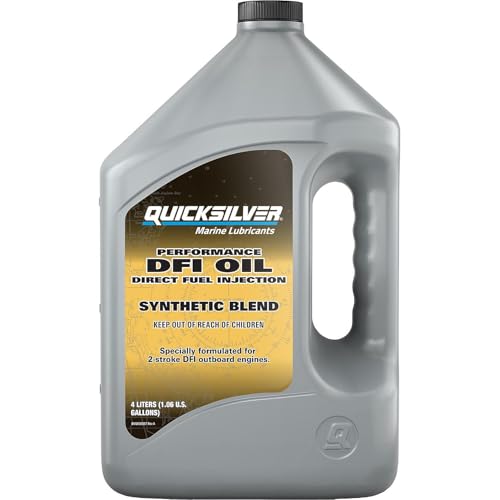
Designed for direct-injection (DI) outboards, this oil emphasizes wear protection and minimizing carbon deposits in the combustion chamber. It’s a strong pick for DI systems where maintaining injector cleanliness and combustion efficiency is crucial. Best for owners of modern, high-tech outboards that rely on precise fuel-air mixing.
Who it’s best for: Direct-injection outboard users or rebuilders focusing on carbon deposit control. Why chosen: targeted formulation to protect DI engines and extend life under demanding loads.
Limitations: May not be ideal for older carbureted systems; check your engine type before purchasing.
TRIAX Marine Ultra Outboard 2-Cycle Oil

Triax emphasizes power, throttle response, and clean combustion. The Ultra Outboard 2-Cycle oil delivers an ultra-clean burn that reduces smoke and deposits, preserving full engine power under demanding conditions. It also features a high-strength lubricating film to safeguard pistons and bearings during high RPMs and heavy loads.
Who it’s best for: Performance-minded boaters and racers who push their outboards hard. Why chosen: clean-burn technology helps prevent common performance issues like ring sticking and plug fouling.
Limitations: Higher-performance blend may be more expensive and over-specified for casual cruising.
STAR BRITE Super Premium+ 2-Cycle Oil

STAR BRITE’s top-tier synthetic blend aims to meet and exceed engine manufacturer specs, with an additive-rich formulation designed to reduce smoking and improve lubrication. It is well-suited for a wide range of outboards, personal watercraft, and 2-stroke designs that require robust protection and reliable startup in varied conditions.
Who it’s best for: Owners seeking a premium blend with strong additive content that aligns with many OEM specs. Why chosen: high additive concentration supports reliable lubrication and reduced emissions for a broad spectrum of engines.
Limitations: Some engines may respond better to manufacturer-specific oils; verify compatibility with your model if you rely on exact OEM guidelines.
Buying Guide: Key Considerations For 2-Stroke Outboard Oils
What type of 2-stroke oil does your engine require? The oil type—premix vs. direct-injection compatible—shapes the best choice. For premix systems, a high-ash or high-detergency formula helps prevent deposits. For direct-injection engines, look for oils specifically labeled for DI to minimize injector and combustion chamber deposits.
How climate and water conditions influence your choice? All-weather oils protect in cold mornings and hot afternoons. If you operate in extreme cold or saltwater environments, corrosion protection and deposit control become more critical.
What engine type and manufacturer guidelines matter? Some brands publish preferred oils or syn blend vs. mineral bases. When possible, choose manufacturer-aligned products to ensure compatibility and optimal performance.
What are your performance priorities? If you need maximum throttle response and cleaner exhaust, consider high-cleanliness or advanced synthetic blends. If you simply require reliable lubrication across a weekend boat, a solid all-round option may suffice.
Storage and handling considerations: Keep containers sealed, store in a dry place, and label mixed fuel if you premix. Use fresh oil within the manufacturer’s suggested intervals to maintain protective properties.
Frequently Asked Questions
- What oil is best for a DI outboard? Choose an oil formulated for direct-injection engines to minimize carbon deposits and to protect injectors and combustion chambers.
- Can I mix oils from different brands? It’s generally not recommended to mix different brands or formulations due to potential additive incompatibilities and performance impacts.
- Do I need a specific oil for saltwater use? Yes, consider oils with enhanced corrosion protection designed for saltwater exposure.
- How often should I change the oil in a 2-stroke outboard? Follow engine manufacturer guidelines, but a frequent maintenance routine helps maximize performance and life.
- Is synthetic oil better than mineral oil for outboards? Synthetic blends often offer better deposit control and protection at various temperatures, though availability and compatibility may vary by engine type.
- How do I confirm oil compatibility with my engine? Check your owner’s manual or contact the manufacturer to verify the recommended oil category and viscosity for your model.