Best Trolling Motor Fishing Kayak: Top Picks for Anglers of All Levels
If you’re shopping for a trolling motor for a kayak, you want power that matches maneuverability, reliability, and quiet operation. This guide highlights five versatile options that suit different boat sizes, water conditions, and fishing styles. Each pick is explained with who it’s best for, why it stands out, and one practical caveat to consider before buying. The list aims at American anglers who value efficiency, saltwater resilience, and straightforward installation.
| Product | Best For | Key Benefit |
|---|---|---|
| Minn Kota Endura C2 30 Lb Transom | Small freshwater kayaks | Durable, simple control with heavy-vegetation prop |
| Newport NV-Series 36 Lb | Lightweight, portable setups | Low weight with efficient two-blade prop |
| Newport NV-Series 55 Lb | Medium to larger kayaks in varied conditions | Stronger thrust with solid all-day power |
| Newport Kayak Series 55 Lb (24″ Shaft) | Saltwater or mixed habitats | Fiberglass kayak shaft for depth control |
| Newport NV-Series 46 Lb | Balanced power for inflatable and small boats | 3-blade prop for smoother thrust |
Minn Kota Endura C2 Transom-Mount Electric Trolling Motor — 30 Lb Thrust
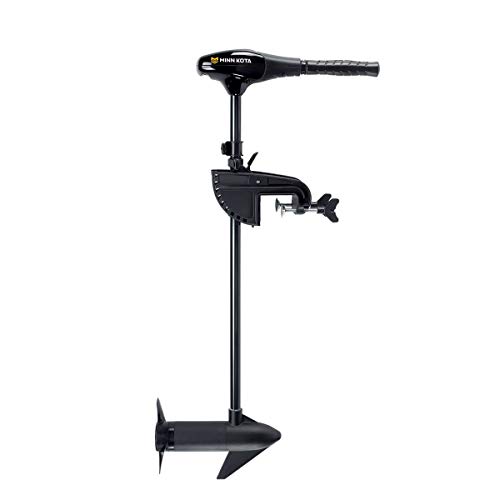
The Endura C2 is a straightforward freshwater trolling motor designed for small boats and kayaks. It’s a transom-mount model with 30 pounds of thrust and a 30-inch shaft. The 6-inch telescoping tiller enables comfortable steering across long days on the water. A push-to-test battery meter helps you monitor power without guessing, making it ideal for anglers who value clarity at a glance. This motor’s reinforced composite build resists UV exposure and warping, supporting reliable use in durable marine environments.
Who it’s best for: anglers who fish freshwater, operate smaller craft, and want a low-maintenance propulsion option. It’s particularly suitable for beginners or occasional paddlers who need dependable performance with easy setup. Why selected: the combination of a simple lever-lock system for angle adjustment and a robust prop for navigating through vegetation makes this a practical, all-around choice.
Limitations: while adequate for calm lakes and slow currents, the motor’s 30 Lb thrust may be less effective in stronger winds or heavier boats. Consider pairing with a lightweight battery and expect moderate top speeds in challenging conditions.
Newport NV-Series 36lb Thrust Trolling Motor — 12V

This Newport NV-Series model provides 36 pounds of thrust and a 30-inch shaft in a compact package. It’s designed for lightweight power, making it a strong option for kayaks, canoes, inflatables, and small boats where battery life matters. The 2-blade propeller is optimized for efficiency, which translates into longer runtime at typical trolling speeds. It’s built to perform in both saltwater and freshwater environments, ensuring longevity when exposed to varied water types.
Who it’s best for: paddlers seeking a featherweight, quiet option for calm to moderate conditions, or those who want a cost-efficient upgrade. Why selected: its balance of power, efficiency, and saltwater capability makes it a versatile first upgrade from a manual paddle or oar setup.
Limitations: 36 pounds of thrust may feel insufficient on larger kayaks or in strong currents. If you expect frequent wind or head-current, consider higher thrust or as a secondary propulsion method.
Newport NV-Series 55lb Thrust Saltwater Transom Motor
This 55-pound thrust model is designed for heavier loads and more demanding conditions. It provides a 30-inch shaft, a five-LED battery meter, a six-inch telescoping tiller, and a robust three-blade prop. It offers eight speeds (five forward, three reverse) and is tuned for trolling rather than full-speed cruising. The motor head is aluminum with corrosion-resistant hardware, making it well-suited for saltwater use while remaining capable in freshwater environments.
Who it’s best for: anglers with mid-to-large kayaks or those needing extra torque in wind, current, or heavier gear. Why selected: the higher thrust and durable saltwater construction deliver more consistent power in challenging situations.
Limitation: the higher thrust comes with more weight, which can affect portability and battery drain on smaller vessels. Plan battery capacity accordingly for all-day trips.
Newport Kayak Series 55lb Thrust Transom — 24″ Shaft
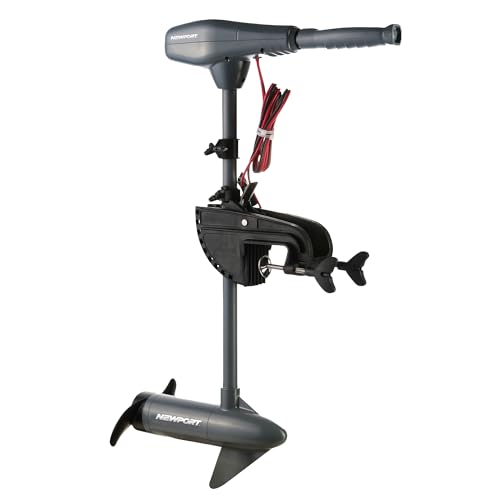
This Newport Kayak Series model offers a 55-pound thrust with a 24-inch shaft. The shorter shaft helps when mounting on certain kayak transoms and keeps the motor height manageable while maintaining solid control. The motor head is all-aluminum with corrosion-resistant hardware to handle saltwater outings. Features include eight speeds and a six-inch telescoping handle for precise steering, which helps anglers maintain position during drift fishing.
Who it’s best for: anglers fishing in tighter spaces or on boats with shallower transoms, and those who value quick depth adjustment. Why selected: the combination of strong thrust and a compact shaft suits many kayak configurations while preserving maneuverability.
Limitations: the shorter shaft may reduce effectiveness in deeper water or taller boats. If you frequently fish from deeper drafts, consider a longer shaft model.
Newport Kayak Series 36lb Thrust Transom — 24″ Shaft
This model delivers 36 pounds of thrust with a 24-inch shaft and an all-aluminum motor head designed for saltwater use. It provides eight speeds (five forward, three reverse) and includes a six-inch telescoping handle for easy reach. The motor is built to handle both saltwater and freshwater environments, offering reliable performance across conditions for kayaks and small boats.
Who it’s best for: anglers seeking a reliable, mid-thrust option with good depth control in compact configurations. Why selected: it balances power and depth placement with a durable build that resists corrosion and wear over time.
Limitations: as with other mid-thrust models, its performance can taper in strong currents or heavier loads. Consider your typical water conditions when choosing speed and battery setup.
Buying Guide: Key Considerations for Your Trolling Motor Kayak
- Boat size and weight: Smaller kayaks benefit from lighter motors (around 30–36 Lb thrust). Larger kayaks or inflatables may require 46–55 Lb thrust for effective propulsion.
- Shaf t length: A 24″ shaft suits most kayaks, while a 30″ shaft helps with deeper water or taller transoms. Choose a length that keeps the propeller below the hull to avoid striking objects.
- Power source: Most of these motors are 12V systems. Confirm battery availability, weight, and compatibility with your vessel to maximize runtime.
- Propeller design: Two-blade props favor efficiency and battery life; three-blade props offer stronger thrust in wind and current. Consider typical trolling conditions when selecting.
- Saltwater vs freshwater: If you paddle in saltwater, prioritize corrosion-resistant hardware and magnesium/zinc components to extend motor life.
- Controls and mounting: Telescoping tillers improve comfort; transom-mount designs are easier to install on smaller craft. Ensure your boat has suitable mounting points and load capacity.
- GPS and advanced features: Bow-mow models with GPS and Spot-Lock provide position-holding advantages for certain fishing styles, but require more battery and familiarity with navigation systems.
Frequently Asked Questions
- What is the most versatile trolling motor for a kayak? A mid-range thrust motor (around 36–55 Lb) with a 24–30 inch shaft often balances power, depth control, and portability for diverse conditions.
- Do I need a saltwater-rated trolling motor for coastal bays? If you fish in saltwater regularly, choose motors with corrosion-resistant hardware to extend life and reduce maintenance.
- Is a longer shaft always better? Not necessarily. A longer shaft helps in deeper water and taller transoms, but may be heavier and harder to mount on compact kayaks.
- Should I buy a motor with GPS? GPS features can help maintain position and reduce drift, which can be valuable for certain presentations or when solo fishing, but they add cost and complexity.
- How do I choose the right thrust? Match thrust to boat weight, typical load, and water conditions. Heavier boats or strong currents usually require higher thrust for adequate control.
- Can I install these motors myself? Most transom-mount and kayak-mount motors are designed for easy installation, but always follow manufacturer instructions and verify mounting hardware compatibility with your vessel.