Best Signal Flares for Boats: Safe, USCG-Approved Distress Solutions
Find the right marine distress signals to meet USCG requirements and boost crew safety. This guide highlights five reliable, Coast Guard–approved options suited for different boat sizes, sea conditions, and emergency needs. Whether you’re a casual fisherman, a commercial crew, or a weekend boater, you’ll see which flare kit works best for you, and why. The top picks cover electronic and traditional formats, daylight visibility, durability, and ease of use in rough seas. A quick buyer’s table follows to help you compare at a glance.
Quick Buyer’s Table
| Product | |||
|---|---|---|---|
| Sirius Signal C-1003 SOS LED Distress Signal | Electronic LED flare | USCG approved; up to 60 hours of SOS signals | |
| TEKTITE SOSeFLARE 5 | Electronic distress signal with flag | 30+ hours battery life; floats upright | |
| Orion Safety 584 ALERTER Basic 12 GA | 12-gauge flares | 4 red aerial flares; high brightness | |
| COASTAL ALERT LAUNCHER KIT | 12-gauge aerial signals kit | Includes whistles and six aerial signals | |
| Caikieme 3 PCS Boat Flares | Electronic marine signals | Coast Guard certified; upgraded 2026 design |
Sirius Signal C-1003 SOS LED Distress Signal
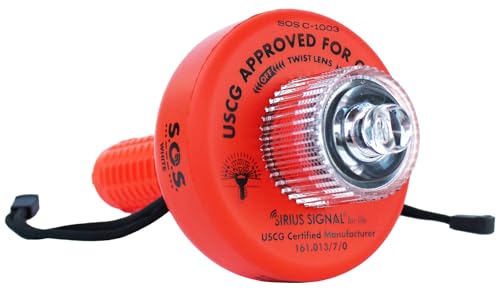
The Sirius Signal C-1003 is a complete USCG-approved distress kit designed for night, day, and audible signaling. It is best for smaller to mid-sized boats that require a long-lasting, easy-to-use electronic beacon. The device provides a bright SOS flash visible up to 10 nautical miles and runs for up to 60 hours, significantly exceeding basic requirements. Batteries are included for immediate readiness.
Best for: boaters who want a compact, all-inclusive electronic distress solution with long-lasting operation and clear day/night visibility. Cautions: ensure battery status is checked regularly and replace as needed per kit instructions.
TEKTITE SOSeFLARE 5 No More Flares

The TEKTITE SOSeFLARE 5 offers a USCG and SOLAS-compliant electronic distress signal with an included flag and audible locator. It provides up to 30+ hours of battery life with user-replaceable CR123 batteries and floats upright up to 500 feet of submersion. This kit is ideal for crews who want a high-visibility signal with robust waterproofing and an audible alert for audible-based signaling in enclosed or noisy environments.
Best for: boats needing a durable, audible, day/night distress option with long service life. Cautions: heavier battery management may be required; ensure proper disposal and replacement cadence for batteries.
Orion Safety 584 ALERTER Basic 12 GA 4-Flares

The Orion 584 ALERTER Basic kit includes four 12-gauge red aerial flares with a corrosion-resistant launcher and bandolier. It is well-suited for larger vessels that require robust, high-altitude signaling and a straightforward manual plus safety features. A lifetime warranty is noted, adding long-term value for frequent mariners.
Best for: larger boats or offshore users who rely on high-visibility aerial signals in open water. Cautions: traditional flares require careful handling and storage; follow hammer safety and storage guidelines as described in the manual.
COASTAL ALERT LAUNCHER KIT

This Coastal Alert Launcher Kit provides day and night signaling with six high-performance red aerial signals and a SOLAS-approved whistle. It is designed for coastal vessels needing immediate visual signaling under varied visibility conditions. The kit’s USCG compliance and included audible device help ensure comprehensive signaling in crowded or high-traffic water areas.
Best for: coastal and nearshore boats that want a ready-to-use, traditional aerial flare setup with audible signaling. Cautions: ensure proper storage and regular inspection of the launch system and signals.
Caikieme 3 PCS Boat Flares

The Caikieme 3 PCS package provides electronic marine signal flares that are Coast Guard-certified and designed for multiple maritime scenarios, including fishing vessels and life rafts. The upgraded 2026 design promises stronger signals and improved reliability. It is best for boats needing compact, multi-signal options that meet safety standards.
Best for: smaller crews or backup signal kits where compact, compliant electronic signals are preferred. Cautions: verify battery requirements and ensure correct installation for reliable operation.
Buying Guide: Key Purchase Considerations
What type of distress signal should you choose?
- Electronic LED signals provide long-lasting visibility and reusable operation, reducing the need for regular flare replacements.
- Traditional aerial flares offer bright daytime visible bursts and strong daylight signaling, but require safe handling and disposal.
- Dual-function kits combine visual signaling with audible cues, improving detection in noisy environments.
How important is Coast Guard compliance?
- USCG approval ensures the device meets regulatory requirements for signaling in emergencies. Always verify current certification status before purchase.
What are practical considerations for storage and maintenance?
- Electronic signals often require battery management; store in a cool, dry place and replace batteries per manufacturer guidance.
- 12-gauge flares need careful storage in a dry, accessible location and regular inspection for corrosion or leakage.
- Consider the boat’s size and typical voyage conditions when choosing the number of units and ease of access to signals during an emergency.
How should you deploy these signals on the water?
- Plan for line-of-sight signaling and ensure signals are placed away from passengers and fuel sources.
- Use day and night visibility strategies, including visual signals during daylight and audible alerts at night or in foggy conditions.
Frequently Asked Questions
- What does USCG approval indicate?
It confirms the device meets United States Coast Guard requirements for marine distress signaling.
- Can electronic signals be reused?
Yes, electronic signals like LED distress beacons can operate for many hours and do not require continuous replacement like traditional flares.
- Are all flares waterproof?
Most modern electronic signals are waterproof and can float; check the product’s IP rating and buoyancy details.
- What maintenance is needed for flare kits?
Battery checks for electronic units and periodic inspection for corrosion or damage in traditional flares are recommended.
- Which signal is best for small boats?
Electronic distress signals with long battery life are often ideal for small to mid-sized vessels needing continuous signaling capability.
- Should I carry more than one type of signal?
Yes. A combination of electronic signals for reliability and traditional flares for daylight visibility can provide robust coverage.