Best Compost Toilet for Boat: Odor-Free Off-Grid Sanitation on Water
Choosing a compost toilet for a boat involves balancing odor control, space, weight, and ease of use with the realities of maritime life. The options below emphasize urine separation, odor prevention, and compact design suited to cabins, engine rooms, and tight headroom on vessels. This guide highlights five strong choices and explains what to consider when selecting the best fit for boating adventures.
Summary of chosen products
| Product | Brand | Key Benefit | Tank/Capacity Notes |
|---|---|---|---|
| OGO™ Compost Toilet | OGO | Odorless separation function; no water or chemicals; robust for mobile living | Solid bin 25-30 uses; urine bottle 2.4 gallons |
| Nomad by OGO Urine Separation Toilet | OGO | No water flush; urine and solids kept separate to curb odors | Portable for camping/boating; high-density polypropylene |
| Nature’s Head Self Contained Toilet | Nature’s Head | Low-maintenance, well-known for off-grid bathrooms | Self-contained with standard seat footprint |
| Separett Tiny Urine Container Model | Separett | Compact, waterless, odor-free with urine separation | Removable urine container; biodegradable bags for solids |
| Cuddy Lite Portable Compost Toilet | Compo Closet | Lightweight, compact, liquid-diverting with easy cleaning | XL drop-zone; suitable for boats and small cabins |
OGO™ Compost Toilet for Boats and Tiny Spaces
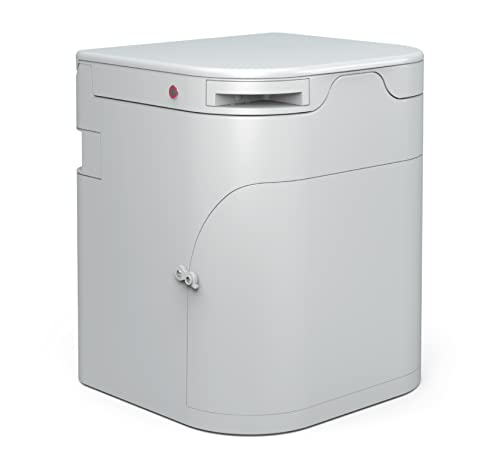
OGO’s compost toilet uses a urine separation approach to minimize odors and eliminate the need for traditional dump stations. The design emphasizes independence from water and dump facilities, a strong fit for boats where space and plumbing constraints are common. The unit is built in the USA with a rugged design and a weight-tolerant frame suitable for mobile living. A removable solids bin and urine bottle streamline cleaning, while the waste capacity supports multiple usage cycles between emptying. The odorless operation is achieved by separating liquids and solids, reducing cross-contamination and improving cabin air quality. This model is well-suited for smaller boat heads that require reliable installation and straightforward maintenance.
Key features: odorless separation; no chemicals or water; 550 lb capacity build; 25–30 uses for solids; 2.4 gallon urine bottle.
Kohree 5.8 Gal Portable Toilet for Boats and RVs
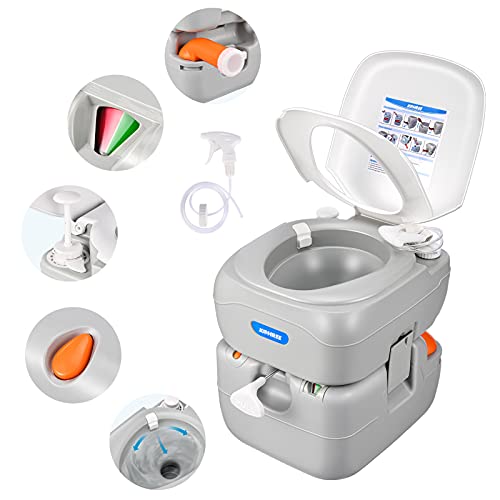
Kohree’s portable toilet combines high-capacity waste storage with a manageable fresh-water supply, making it a practical option for boats that require occasional portable sanitation between dockside visits. The 5.8-gallon waste tank reduces frequency of emptying, while the 14.4″ x 16.3″ footprint ensures it fits compact boat heads. A level indicator helps crew plan maintenance and avoid unexpected odors, and the unit is designed for relatively easy disassembly for cleaning and transport. The construction uses durable plastics to withstand marine environments, with an emphasis on odor control through a sealed design and odor barrier components. It supports roughly 90 flushes depending on water use, which is suitable for weekend voyages or longer trips with intermittent access to marina facilities.
Key features: 5.8 gal waste capacity; 14.4″ x 16.3″ footprint; level indicator; leak-resistant; portable for boats.
Nature’s Head Self Contained Composting Toilet

Nature’s Head is a long-standing option in off-grid bathrooms, offering a self-contained composting system that fits typical boat head footprints. The model emphasizes ease of use, with a compact seat and a durable construction designed for variable marine conditions. The included ventilation and design reduce odors, which is critical on boats where confined spaces make air quality important. Maintenance often focuses on emptying the solid waste container and managing the urine container, along with routine cleaning to prevent odor buildup. The design supports versatile placement in tight head compartments and is favored by sailors who want a tried-and-true composting solution on board.
Key features: self-contained; compact footprint; odor control via ventilation; easy solids/urine separation; well-regarded in off-grid living.
Separett Tiny Urine Container Model

Separett’s Tiny model is a compact, waterless unit designed for space-limited boats and tiny homes. It provides effective urine separation, helping to minimize odors and simplify waste management. A built-in ventilation feature helps remove humidity and smells, which is important in small cabins. Liquids are collected in a removable 2-gallon urine container, making disposal straightforward and hygienic. The solids are stored in biodegradable bags for easy handling. This option is especially suitable for boats with limited headroom where a full-size toilet would be impractical, yet odor control remains a priority.
Key features: compact and waterless; urine separation; odor control; removable urine container; biodegradable bags for solids.
Cuddy Lite Portable Compost Toilet – Compact Boat Version
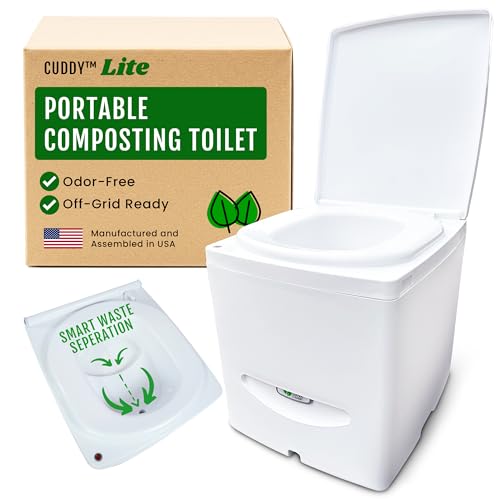
The Cuddy Lite from Compo Closet is designed for mobility and tight spaces, making it a strong choice for boats, campervans, and tiny houses. Its compact footprint and flexible install options fit into cabins with limited headroom. The toilet employs a liquid-diverting system with an XL drop-zone, segregating liquids from solids to reduce odors and simplify cleaning. The solids bin is removable and can be lined, cutting down on maintenance time. For boaters who want a portable, easy-to-maintain option without sacrificing hygiene, the Cuddy Lite offers a balanced combination of convenience and performance. The design supports off-grid usage while still delivering a user-friendly experience.
Key features: compact and travel-ready; liquid-diverting with XL drop-zone; easy to clean; portable and boat-friendly.
Buying Guide: Key Considerations For Boating Sanitation
- Odor management: In confined spaces, effective urine separation or dedicated odor-control features are essential to maintain cabin air quality and crew comfort.
- Space and footprint: Boats have tight head compartments. Prioritize compact footprints, flexible mounting options, and lightweight designs.
- Waste capacity and maintenance: Consider how often you’ll be able to empty waste containers at anchor or dockside. Higher solid and liquid capacities reduce maintenance frequency during longer trips.
- Water usage: Waterless or low-water systems are advantageous on boats with limited freshwater supplies and plumbing complexity.
- Portability vs. permanence: Portable models offer easy relocation between vessels or camping setups, while self-contained units may provide steadier performance on a single boat.
- Installation considerations: Some models require ventilation or specific mounting brackets. Check compatibility with your boat’s layout, headroom, and existing venting options.
- Maintenance and ease of use: Look for removable waste compartments, simple emptying procedures, and clear labeling to minimize crew effort and confusion at sea.
- Materials and durability: Marine environments demand corrosion-resistant plastics and robust construction to withstand humidity and movement.
- Odor control features: Built-in fans, lids, and sealed waste compartments help maintain a fresh cabin, which is critical on long passages.
- Regulatory and environmental factors: Ensure the system aligns with local regulations for waste handling on your typical boating routes and marinas.
When selecting, weigh the importance of odor control, ease of maintenance, and space constraints against the boat’s length, typical voyage duration, and the crew size. For long weekends or liveaboard boats, a self-contained or urine-separating unit with sufficient capacity can reduce the need for frequent dockside visits. For smaller vessels or boats with very tight heads, compact, vented, or fully portable models may be the most practical choice. Cross-compare the five options above against these criteria to determine the best match for your specific boating lifestyle.