Best Sand Stakes for Boats: Top Beach Mooring Anchors for Shallow Water
Answering the practical need for secure mooring in sand and shallow waters, these sand stakes and anchors are best for boats, jetskis, kayaks, and pontoons. The top picks suit different watercraft sizes, soils, and transport preferences. Use this guide to choose anchors that grip well in beaches, sandbars, and shorelines without overcomplicating setup or removal.
The table below highlights five top options and their ideal use cases. Use this quick reference to compare key traits and decide which anchor matches your typical boating scenarios.
| Product | ||||
|---|---|---|---|---|
| BeneLabel 17″ Sand Bar Anchor | Shallow water, beaches, kayaks | 17″ (430 mm) | 304 stainless steel | |
| Sand Spike Boat Anchor Pole (Better Boat) | Boats up to 30 ft, docks or shorelines | Large slide pole; included bag | Hot-dipped galvanized steel | |
| VEVOR Sand Spike Boat Anchor Pole | Shallow water, sandbars, pontoons | 36″ long spike | Galvanized carbon steel | |
| Better Boat Sand Anchor Spike (22 ft) | Smaller to mid-size boats, beaches | Spike length varies by model | Hot-dipped galvanized steel | |
| Insaga 304 Stainless Sand Anchor | Versatile shallow water mooring | 17″ long | 304 stainless steel |
BeneLabel 17″ Sand Bar Anchor

Best for: Beachgoers with small to mid-sized craft and frequent shallow-water moorings. The BeneLabel anchor is crafted from 304 stainless steel, providing corrosion resistance for saltwater use and a stable grip in sand. Its 17-inch length and a propeller-style design contribute to strong bite in soft substrates. The detachable T-handle simplifies installation in a sandy bed. A supplied storage bag makes transport easy.
Why chosen: It balances durability, portability, and ease of use for casual boaters who beach frequently or anchor near sandbars.
Caution: In very firm or rocky substrates, this anchor may require deeper insertion or additional anchoring help to achieve full bite.
Sand Spike Boat Anchor Pole (Better Boat)
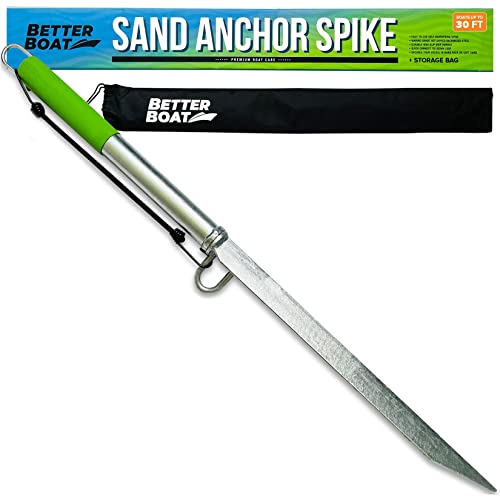
Best for: Boating setups requiring fast, tool-free deployment in soft or hard-packed sand. This anchor uses a bungee-assisted self-hammering action to set quickly and holds boats up to 30 ft. The hot-dipped galvanized steel resists saltwater corrosion, and the rubber grip handle endures UV exposure and repeated use.
Why chosen: Quick, tool-free setup is ideal for dock lines or quick moorings during beach stops.
Caution: Ensure the spike is fully embedded for maximum hold, especially in firmer sand or near currents.
VEVOR Sand Spike Boat Anchor Pole

Best for: Pontoons and boats operating in sandy, shallow zones with minimal rocky interference. The 38.8-inch spike provides deep insertion, and two tie-down loops offer flexible docking options. The anchor weighs 9.5 lbs, which aids penetration and stability in loose sediments.
Why chosen: The extended length and dual tie-down loops make it a robust, versatile option for varied watercraft.
Caution: Heavy weight increases transport effort; consider storage and handling in tight spaces.
Better Boat Sand Anchor Spike (22 Ft)

Best for: Smaller to mid-sized boats looking for a reliable, shallow-water anchor with a straightforward setup. The model employs a bungee-assisted deepening mechanism and hot-dipped galvanized steel for corrosion resistance in saltwater and freshwater environments.
Why chosen: It provides a compact yet effective mooring solution with a simple setup, making it a solid all-around choice for beach mooring.
Caution: In strong currents or hard-packed sand, ensure proper insertion depth to prevent drag.
Insaga 304 Stainless Steel Sand Anchor
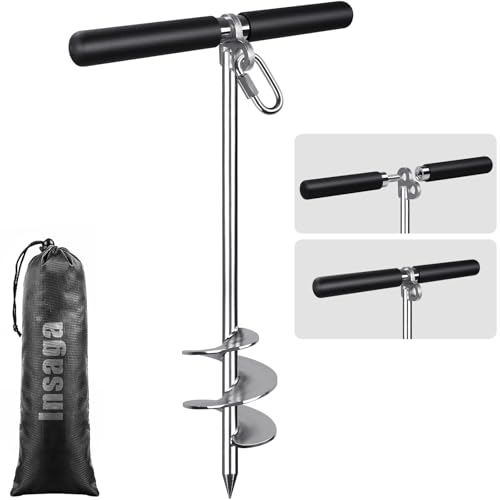
Best for: Those seeking a corrosion-resistant solution for shallow-water mooring with a cross-bar design to aid ground penetration. The 17-inch anchor uses 304 stainless steel and a cross bar to improve grip in sand or shoreline beds while remaining compact for transport.
Why chosen: The rust resistance and fully welded construction offer a durable option for frequent beach mooring.
Caution: In extremely dense sand or silt, penetration may require more force or alternative substrates to achieve optimal hold.
Buying Guide: How to Choose The Right Sand Anchor
What substrate will you anchor in most often? Soft beach sand benefits from longer, self-hammering spikes, while mixed shores may need a robust stainless steel design with a cross bar.
What boat size and weight are typical? Smaller boats can use 17″ anchors, while larger vessels benefit from longer spikes and dual tie-down loops for enhanced security.
How important is ease of use? Tool-free or bungee-assisted setups save time and effort for casual boaters and beach campers.
How will you transport and store the anchor? Consider weight, included bags, and how the anchor fits in your locker or trunk.
What maintenance is needed? Stainless steel resists corrosion better in saltwater, while galvanized steel offers good protection at a lower cost but may require more care in humid climates.
Key comparison questions
- Which anchor works best in shallow, soft sand with minimal rock?
- Is a corrosion-resistant material important for frequent saltwater use?
- Do you need a quick-install mechanism or a traditional hammer-in design?
- What are the preferred docking options, like multiple tie-down loops?
- How portable must the anchor be for transport by small vehicles or kayaks?
Practical tips for use
- Clean and dry anchors after use in saltwater to extend life.
- Check the anchor depth and grip regularly, especially after changing tides or currents.
- Store in a bag with a small toolkit or spare hardware for quick maintenance.
FAQ
- What is the best material for saltwater use? Stainless steel, such as 304, offers superior corrosion resistance compared to plain galvanized steel.
- How do I know if an anchor is deep enough?
- Avoid this if you are anchoring on a rocky shoreline or in strong currents where penetration depth may not reach the substrate.
- Can I use a single anchor for multiple boats?
- Yes, some models provide multiple tie-down loops or larger footprints, but always respect the weight limits and manufacturer guidelines.