Best Electronic Flares for Boats: Safe, Coast-Guard Approved Distress Signals
Whether you’re a weekend boater, a fishing charter operator, or a coastal traveler, electronic distress signals offer a safer, reusable alternative to pyrotechnic flares. This guide highlights five top options that are USCG approved and designed for reliable night and day visibility. Each choice targets specific needs: ease of use, brightness, durability, and how long you can rely on the device in an emergency. The table below helps you compare quickly and decide which best fits your boat and crew.
| Product | Best For | Key Benefit | Notes |
|---|---|---|---|
| Sirius Signal C-1003 SOS LED Distress Signal | Casual boaters and families | Long-lasting, USCG approved dual signaling (night and day) | Bright enough to be seen up to 10 nm; includes day flag and whistle |
| ACR ResQFlare E-Flare | Owners seeking compact replacement for pyrotechnics | 360° visibility with waterproof IP67 design | Includes distress flag; USCG 161.013 certified |
| TEKTITE SOSeFLARE 5 | Safety kits for larger vessels | 30+ hours battery life; Morse SOS with audible signal | Waterproof to 500 ft; floats upright |
| ACR ResQFlare E-Flare Safety Kit | Boats needing extended signaling without flares | Up to 20 hours, longer than typical requirements | Includes Distress Flag; IP67 waterproof |
| TEKTITE SOSeFLARE 5 No More Flares | USCG/SOLAS compliance focused buyers | 30+ hours, replaceable CR123 batteries | Includes night signaling and water submersion features |
The following sections detail each product to help you make a precise choice for your vessel, crew size, and typical voyage conditions.
Sirius Signal C-1003 SOS LED Distress Signal
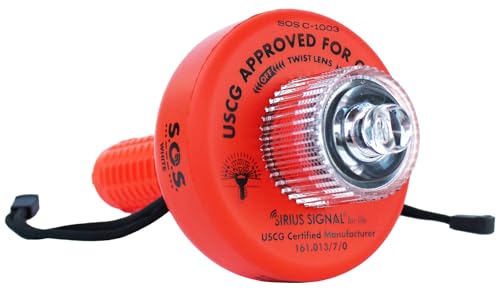
The C-1003 is a Coast Guard approved distress kit designed for quick, single-handed operation. It provides USCG Night, Day, and Audible distress signaling in one package. This model emphasizes long-duration operation, with a signal that meets the USCG SOS requirement for up to 60 hours, far exceeding typical expectations. It is best for families, casual boaters, and small crews who want a simple, all-in-one solution. A potential limitation is the upfront reliance on batteries and the need for replacement when signaling needs extend beyond the provided lifespan.
ACR ResQFlare Electronic Distress E-Flare
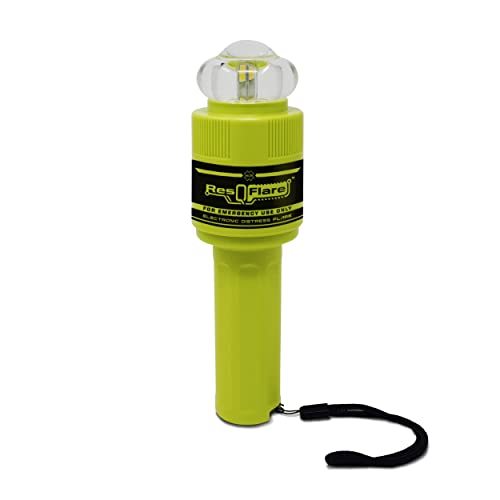
The ACR ResQFlare E-Flare is a compact electronic distress signal designed to replace pyrotechnic flares when paired with its distress flag. It offers 360° visibility and IP67 waterproofing, making it a strong choice for boats that require reliable, all-weather signaling. It is best for vessels that want a straightforward, portable kit with a legally recognized night and daytime signaling package. A limitation is that it requires proper storage and periodic checks to ensure the unit is ready for use.
TEKTITE SOSeFLARE 5 No More Flares

The TEKTITE SOSeFLARE 5 No More Flares offers Coast Guard and SOLAS compliance with a Morse-coded S-O-S signal, plus an audible whistle and a distress flag for daytime visibility. It is designed for endurance, with long-lasting CR123 batteries and a 500 ft submersion rating. This makes it a robust choice for larger boats or fleets that require a reliable, replaceable electronic distress beacon. A caution is that battery replacement should be planned and kept accessible to maintain readiness.
TEKTITE SOSeFLARE 5 Nighttime Distress Flare

This TEKTITE model is tailored for nighttime emergency signaling with S-O-S Morse code and a long 30+ hours life. It is USCG and SOLAS compliant, floating upright and waterproof to 500 ft. It is best for boats with night-focused signaling needs or operators who prioritize compliance and visibility in low-light conditions. One limitation is that it does not include a day flag in all configurations, so consider pairing with a daylight signal if required for daytime emergencies.
Sirius Signal C-1004 SOS LED Distress Signal

The C-1004 adds infrared signaling to the core C-1000 series, along with an audible beacon and a display mount. It remains USCG approved for night and day signaling and includes a daytime flag, whistle, and mounting options to keep signaling gear readily accessible. It’s best for boats that operate in mixed visibility conditions and want the option to quickly deploy infrared signaling to support rescue operations in low-visibility scenarios. A potential drawback is the added cost of infrared capability compared to basic models.
Buying Guide: Key Purchase Considerations
Coast Guard compliance and day/night signaling are essential. Look for USCG approvals (and SOLAS where applicable) to ensure legal viability in emergencies. Consider the signaling range and visibility distance in daylight and night conditions, preferring units with 360° coverage and bright, long-lasting LEDs.
Durability matters on the water. Choose IP67-rated or better waterproofing, floatation, and upright buoyancy so the device remains visible and accessible after a capsize or rough seas. Battery type, shelf life, and replaceability affect readiness; models using standard CR123 or AA batteries with easy replacements help maintain readiness without specialized service.
Ease of use and accessibility are crucial during high-stress moments. Look for one-handed operation, included mounting or storage options, and clear indicators for battery status. Devices that include daylight signaling (flags) and audible signals can improve chances of early detection by nearby boats and responders.
Size and weight influence handling aboard small craft versus large vessels. Lighter, compact units suit kayaks and dinghies, while heavier kits with integrated mounts benefit crewed sailboats and powerboats. Weigh the need for a separate distress flag versus a combined package to meet your specific signaling requirements.
Frequently Asked Questions
- What makes electronic flares safer than traditional pyrotechnic flares? They are reusable, do not emit hot sparks, and generally have longer operational life between replacements, reducing physical hazards and storage concerns.
- Are electronic distress signals legally accepted by the USCG? Yes, several models are USCG approved and/or certified for nighttime and daytime signaling as a replacement for traditional flares.
- How long do these devices typically signal? Many models provide 20–60+ hours of signaling, depending on battery type and usage patterns.
- Do these devices float and stay upright? Most listed options are waterproof and float upright to maximize visibility and ease of recovery after a spill.
- What maintenance is required? Regular battery checks and timely replacements are essential; store spares and inspect seals and switches before trips.
- Which is best for night-only signaling? Models with S-O-S Morse signaling and possible infrared options are ideal for dim or night conditions on larger vessels.