Best Dry Bag for Kayak: Top Picks for Water Adventures
Answering the need for reliable, waterproof storage, these dry bags are ideal for kayaking and other water activities. The best options below suit different scenarios—from compact 2L models for essentials to roomy 10L–40L packs for gear. This guide targets paddlers, boaters, and outdoor enthusiasts seeking durable, weather-ready dry bags that protect valuables from water, sand, and dirt.
Summary table of selected products:
- HEETA 5L — Lightweight, versatile for day trips; good for minimal gear and valuables.
- Earth Pak 10L — Balanced capacity with included IPX8 phone case; ideal for compact to medium loads.
- Unigear 2L — Ultra-light option for essentials and quick trips; best for minimizing load.
- HEETA 10L — Medium capacity with backpack-style use; suitable for longer outings.
- Earth Pak 30L — Larger capacity with comfortable straps for heavier gear and extended trips.
HEETA 5L Dry Bag With Phone Case
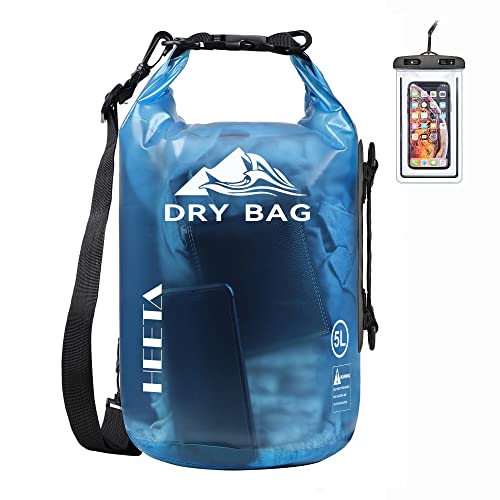
Brand: HEETA
Features: Waterproof through seamless construction; durable PVC material (0.6 mm bottom, 0.3 mm sides); adjustable shoulder straps and side handle for backpack or hand-carry; lightweight for long outdoor use.
Best for: Day trips and light kayaking setups where minimal gear protection is needed. Choose this if you want a compact, easy-to-carry dry bag that also doubles as a simple backpack.
Caution: Not designed for prolonged underwater submersion; avoid keeping underwater for extended periods.
Earth Pak 10L Dry Bag With IPX8 Phone Case

Brand: Earth Pak
Features: Durable roll-top design with shoulder straps; IPX8 certified waterproof phone case included; available sizes with varied strap configurations to support stability and load.
Best for: Small to medium gear loads with a need for a waterproof phone case. This model fits paddlers who want reliable protection plus convenient carrying straps.
Caution: The 10L option is compact; consider larger sizes if you carry extra gear or clothing.
Unigear 2L Dry Bag With Phone Case

Brand: Unigear
Features: 100% waterproof with roll-top closure; welded seams for durability; abrasion-resistant 500D PVC; multiple carry options with adjustable straps; available in several sizes for different activities.
Best for: Quick outings or minimal-gear adventures where protecting phones and documents is the priority. Choose this for ultra-light packing and simplicity.
Caution: Slightly smaller capacity means you’ll likely need another bag for extra layers or gear on longer trips.
HEETA 10L Dry Bag With Phone Case
Brand: HEETA
Features: Waterproof with seamless construction; 0.6 mm bottom and 0.3 mm sides; adjustable shoulder straps and side handle; designed for kayaking, paddleboarding, rafting, and hiking.
Best for: Moderate-length trips or family outings where you need a fair amount of dry storage without bulk. Choose this for balanced capacity and comfort.
Caution: As with other dry bags, avoid prolonged underwater submersion and ensure the roll-top is sealed correctly to maintain dryness.
Earth Pak 30L Dry Bag With Phone Case

Brand: Earth Pak
Features: Large capacity with shoulder straps and sternum strap; includes IPX8 certified 6.5-inch phone case; heavy-duty waist-belt on larger sizes for load support; noted as a top-rated option by Wirecutter for 2026.
Best for: Extended paddling trips or families with multiple gear needs. This size is better for carrying extra clothing, snacks, and larger devices in a waterproof shell.
Caution: Heavier when fully loaded; ensure proper fit and strap adjustment to maintain balance on moving water.
Buying Guide
What capacity should you choose?
For solo day trips, 2L–5L bags offer compact protection for essentials. For longer outings or shared gear, 10L–30L bags provide more room while keeping weight manageable. For full gear protection on multi-day adventures, 40L–55L options are available.
What features matter most?
- Roll-top closure vs. zipper: Roll-top is generally more waterproof and easier to seal quickly.
- Material thickness: 0.3–0.6 mm PVC offers durability with light weight; thicker bottoms resist abrasion.
- Carrying options: Shoulder straps, backpack straps, and sternum belts improve comfort over long sessions.
- Phone/tablet protection: IPX8-rated cases reduce the risk of electronic damage in wet environments.
Which bag suits your activity level?
- Casual paddling or quick trips: 2L–5L bags are typically sufficient.
- Weekends near water with more gear: 10L–20L bags provide balance between capacity and carry comfort.
- Expedition or family trips: 30L–55L bags maximize space and include better straps for heavier loads.
Maintenance and care
- Rinse with fresh water after use in saltwater to extend life.
- Dry completely before storing to prevent mildew.
- Wipe clean with a damp cloth; avoid harsh solvents that could degrade PVC.
Practical buying checklist
- Determine your typical trip length and gear load.
- Compare strap configurations for comfort and stability on water.
- Confirm the bag includes any needed accessories (e.g., waterproof phone case).
- Assess where you’ll store and transport the bag during paddling.
FAQ
- Q: Are dry bags truly waterproof? A: They’re designed to keep contents dry under typical water exposure, but prolonged submersion or punctures can compromise protection.
- Q: Do all dry bags float? A: Many do float when empty or lightly loaded, aiding recovery if dropped in water, but not all models guarantee buoyancy with heavy loads.
- Q: Can I wash a dry bag? A: Yes, wipe with mild soap and water; air dry completely before storing.
- Q: Which size is best for a single day kayak trip? A: A 5L–10L bag often balances space and weight for essentials like keys, phone, wallet, and a compact jacket.
- Q: Do dry bags come with water-proof phone cases? A: Some models include IPX8-certified cases; verify package contents when buying.
- Q: How do I know a bag is properly sealed? A: Roll the top at least three times and listen for a secure clip or closure; test by gently tugging before loading valuables.